Heat is a scale, not a yes or no
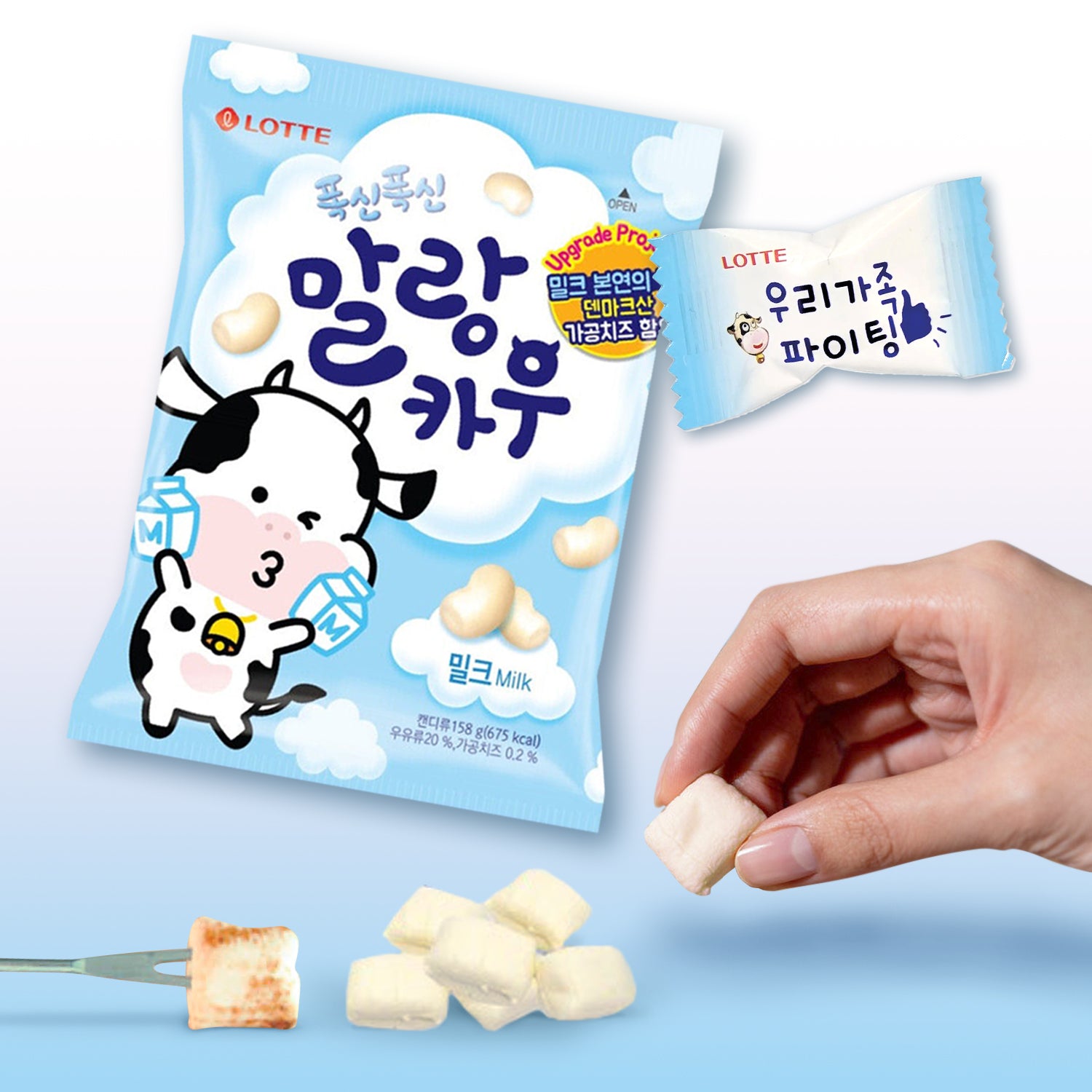
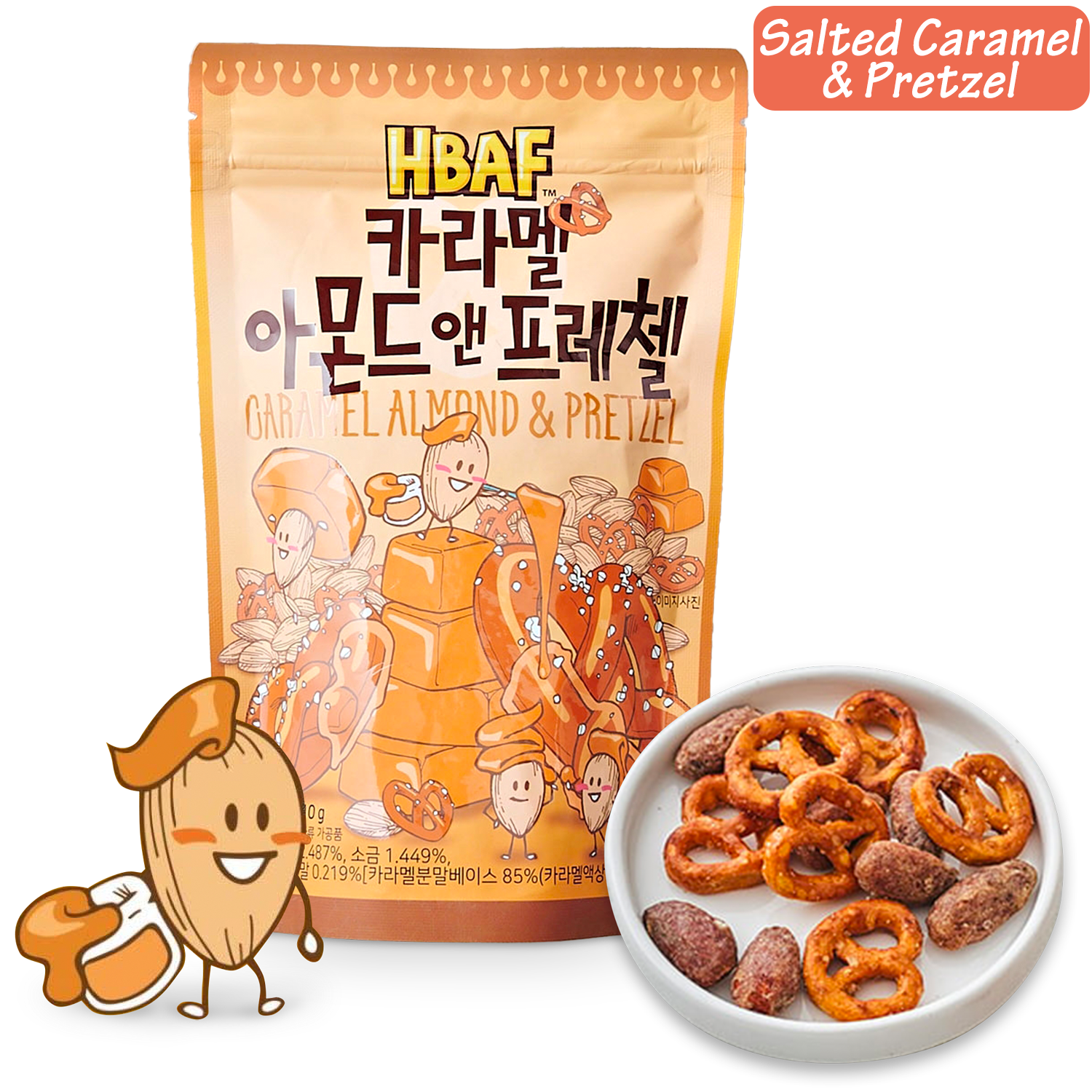
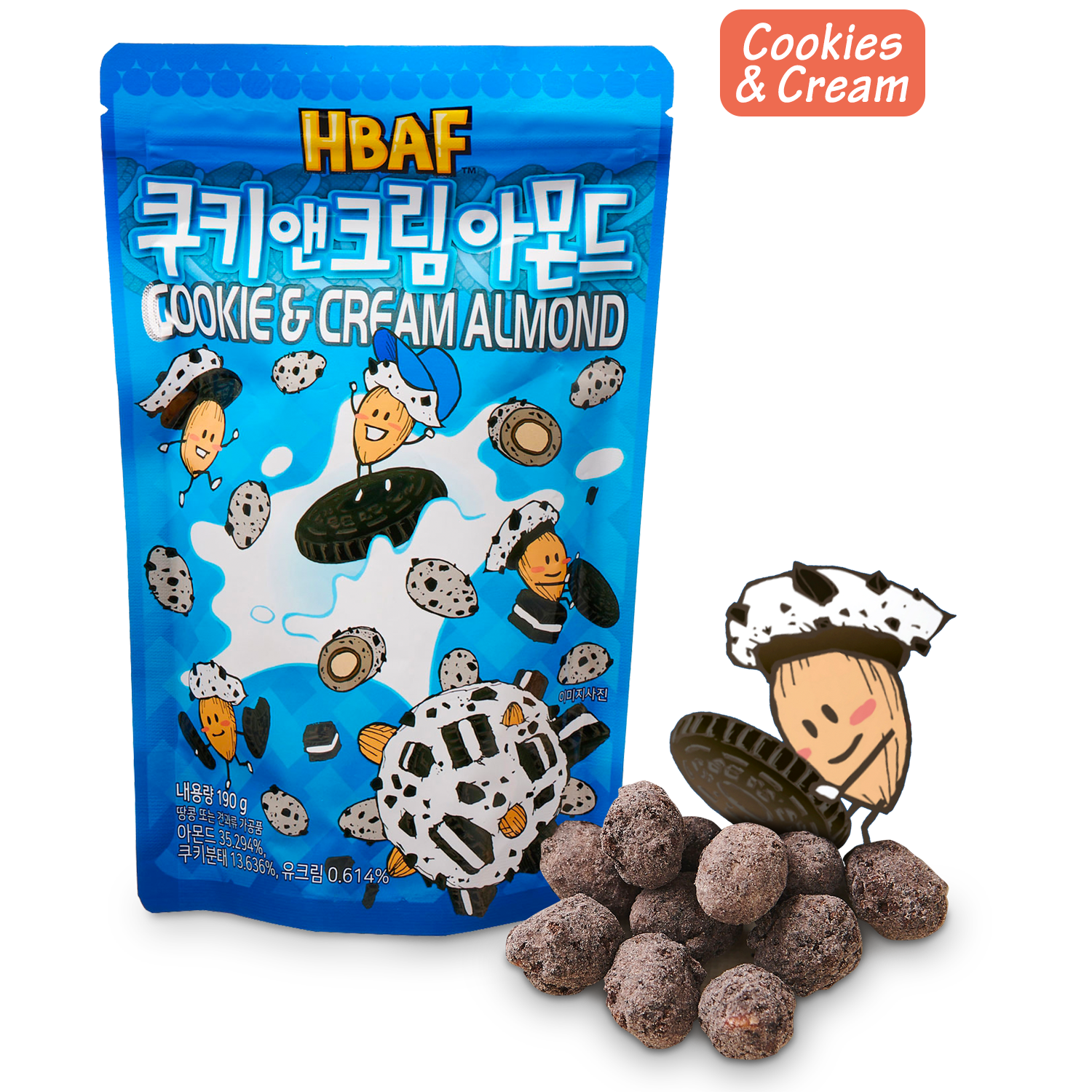
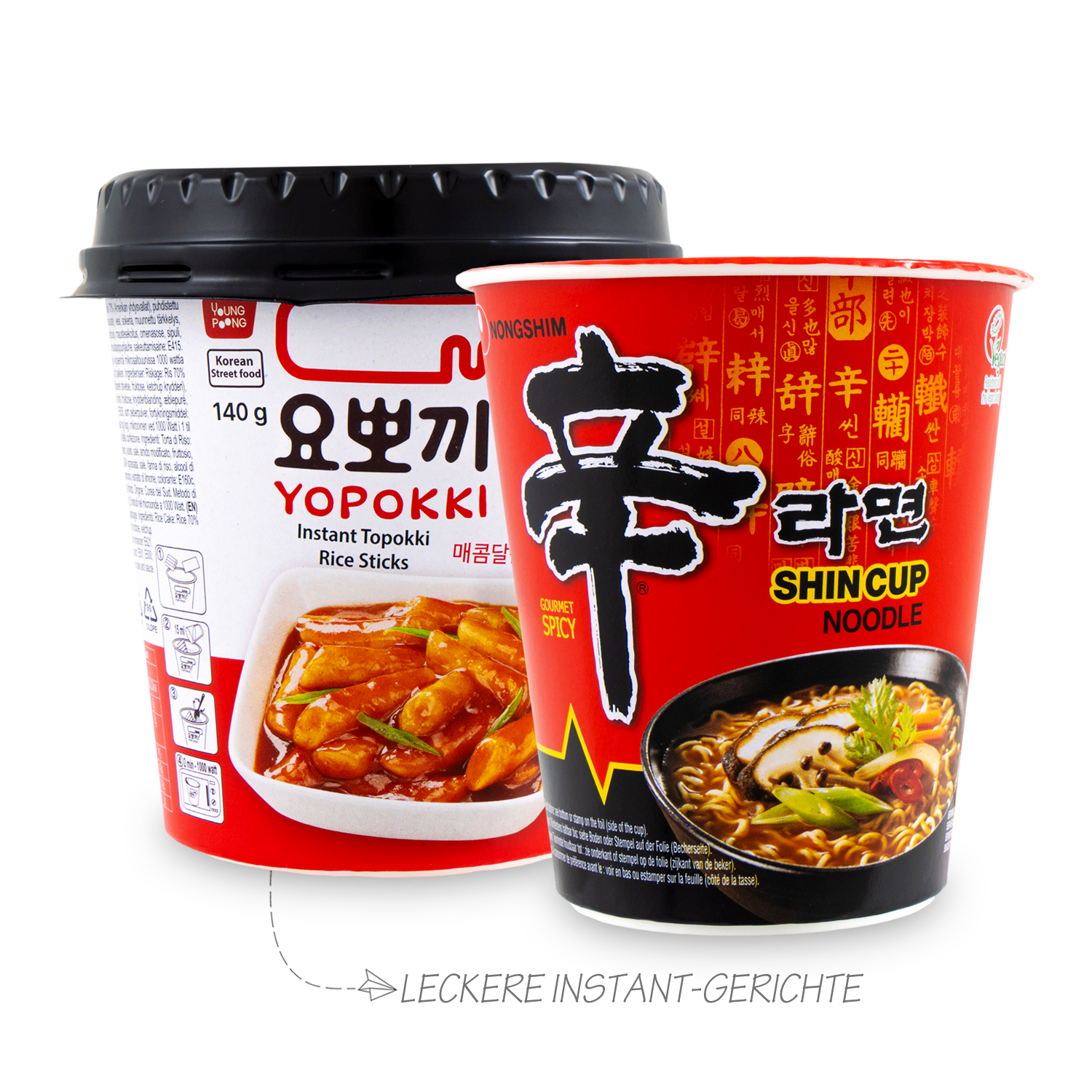
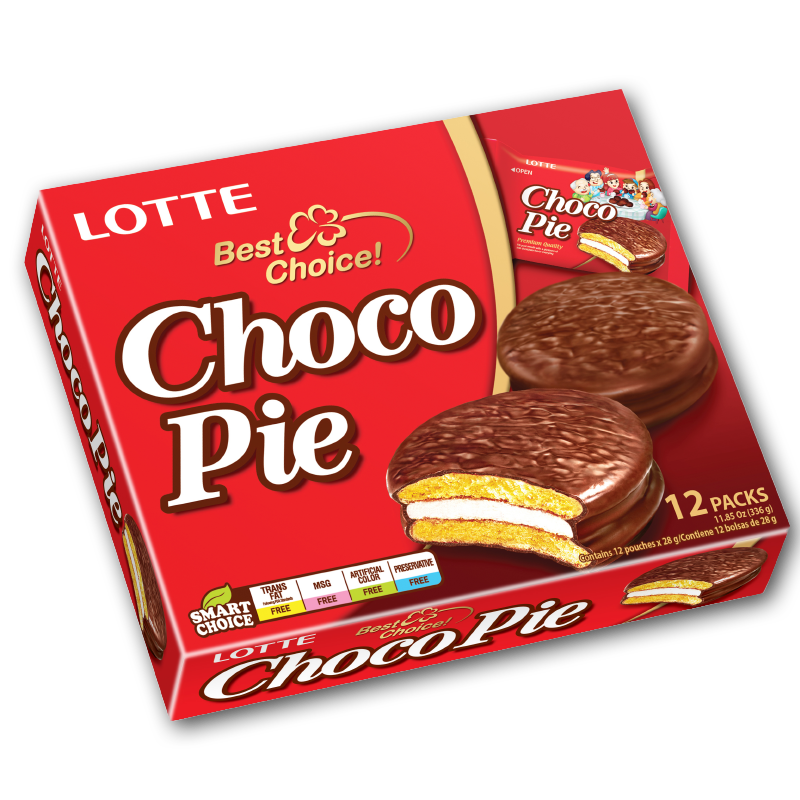
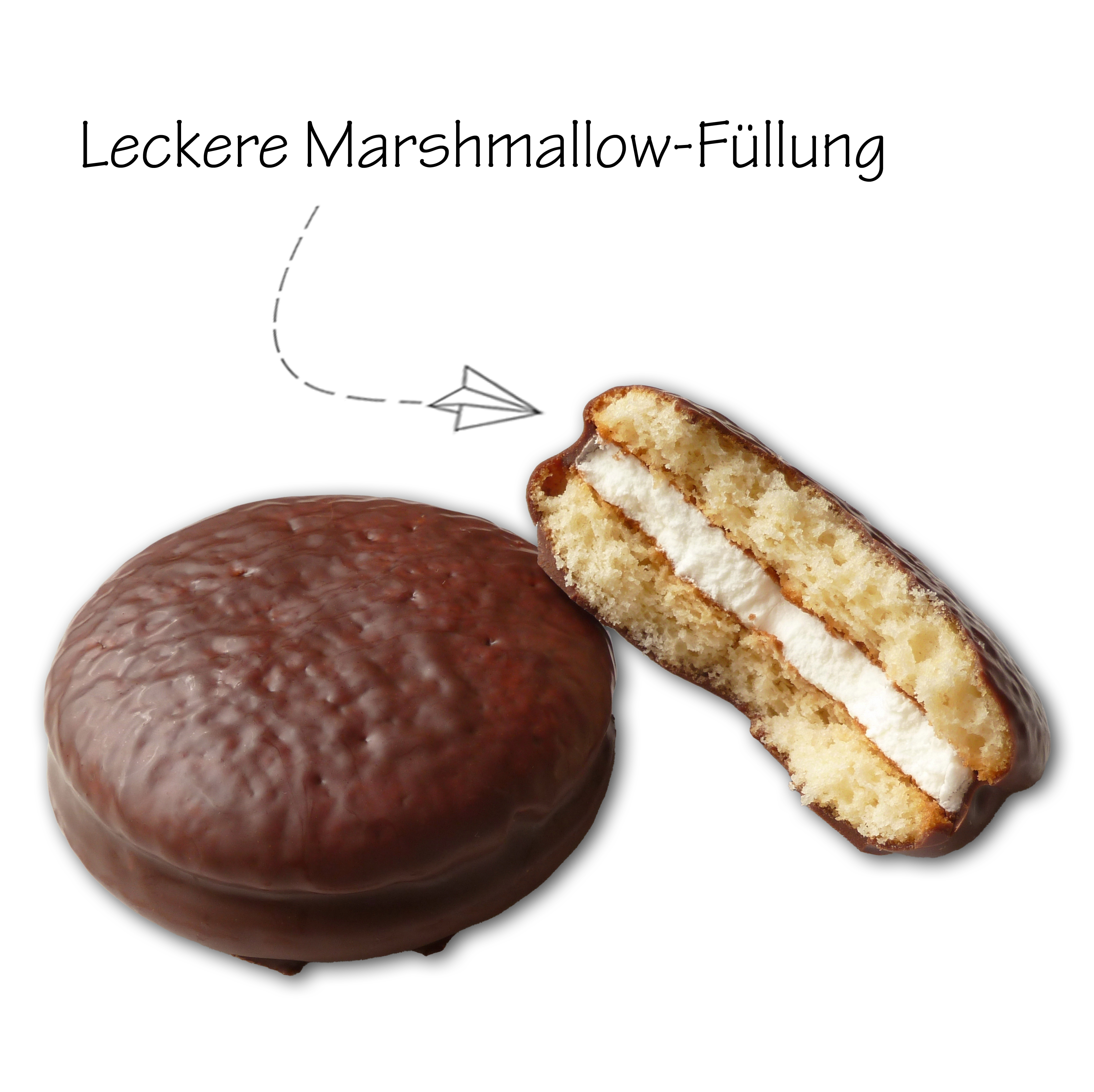
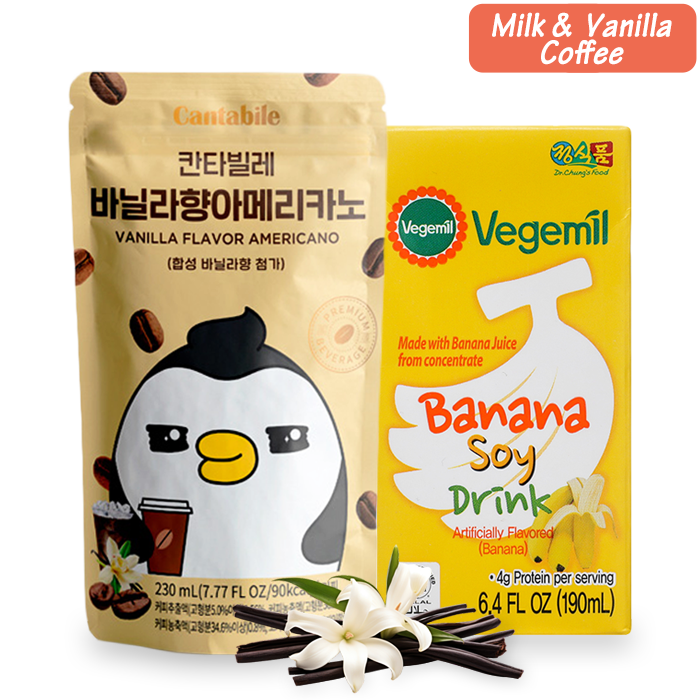
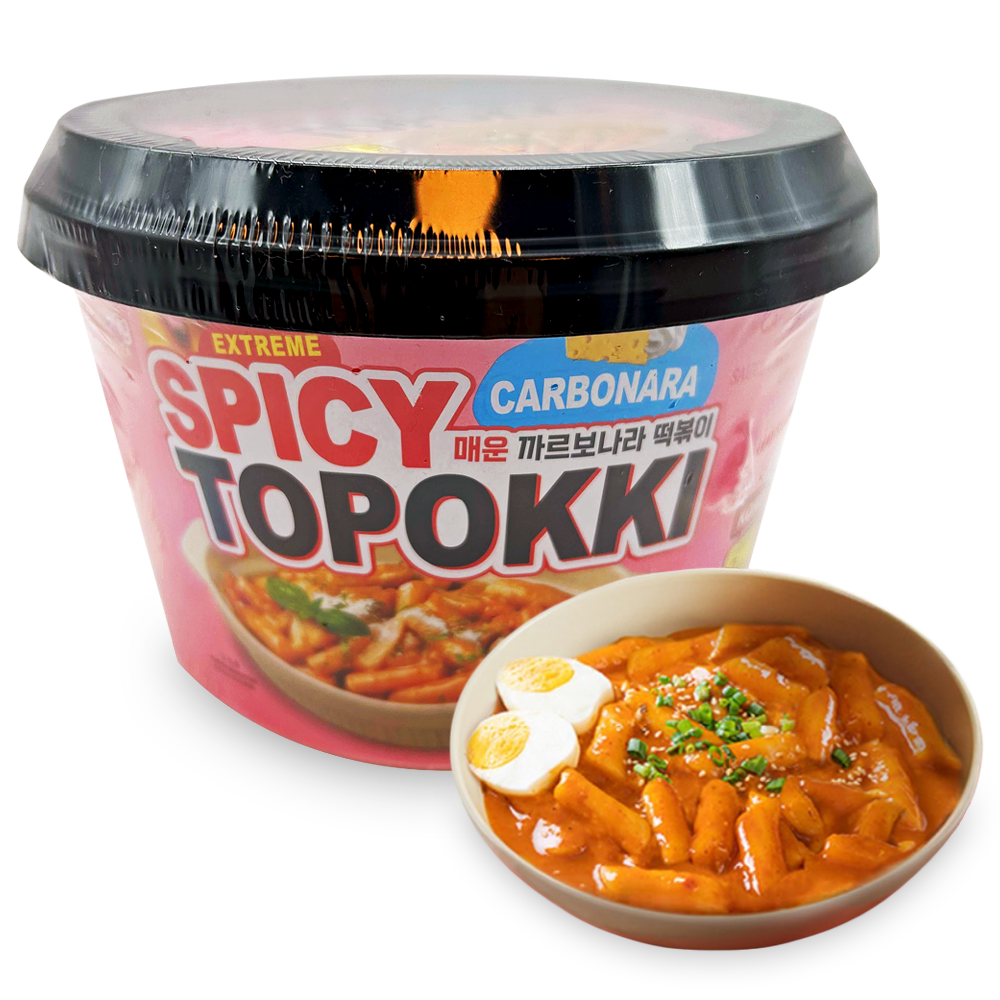
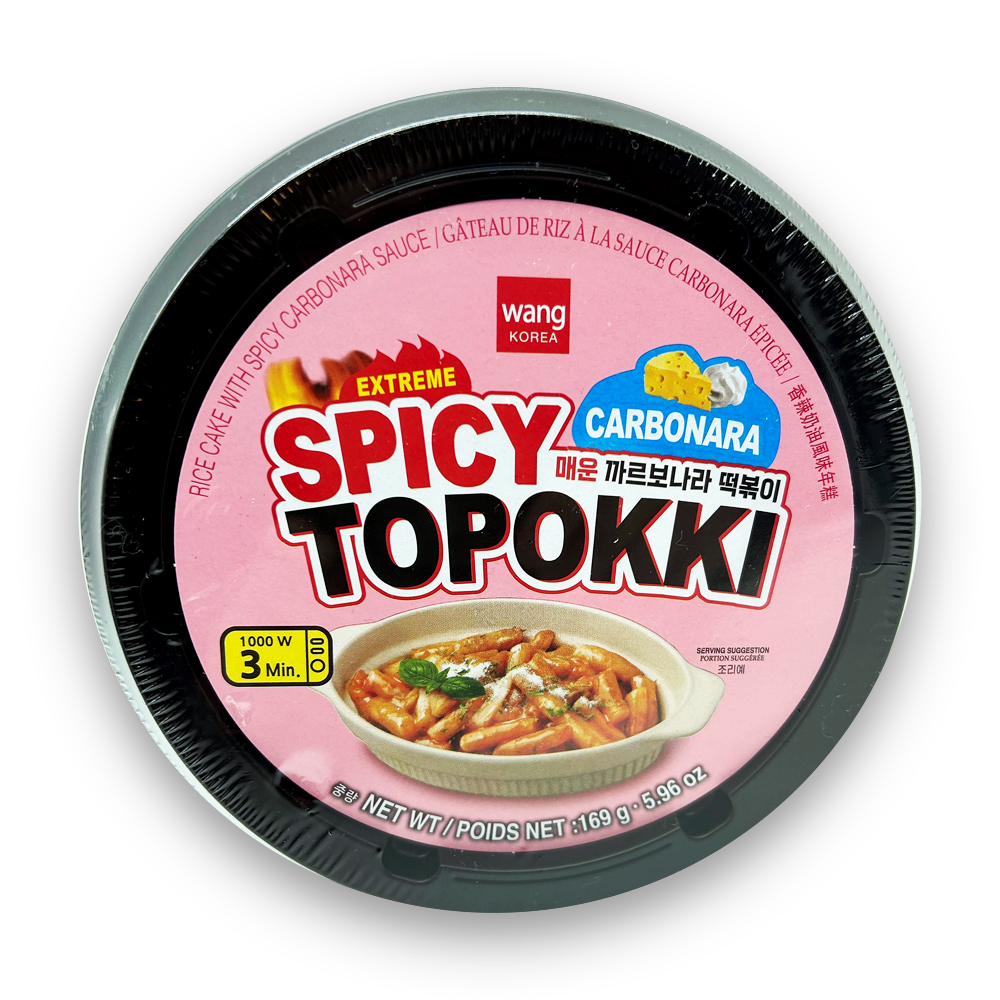
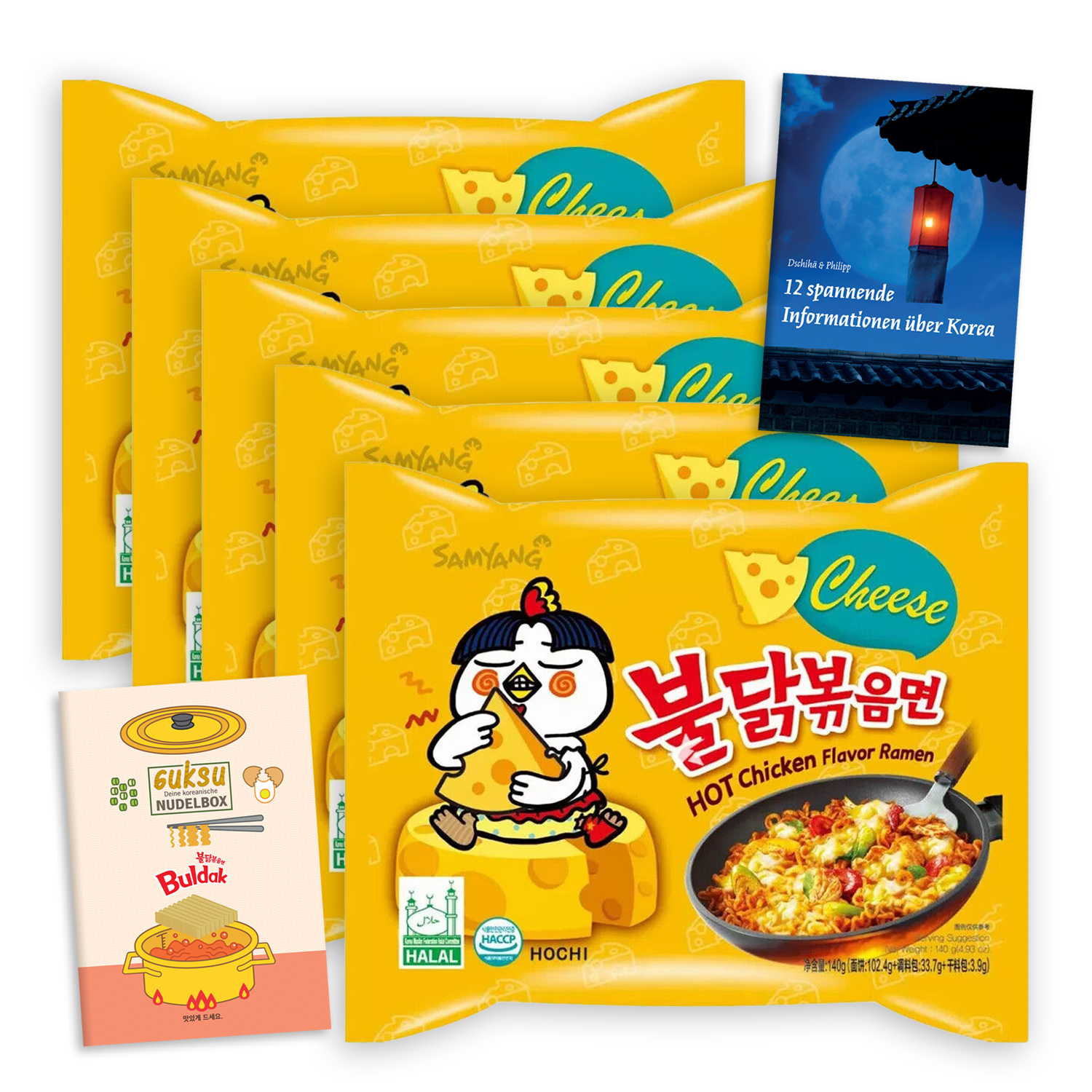
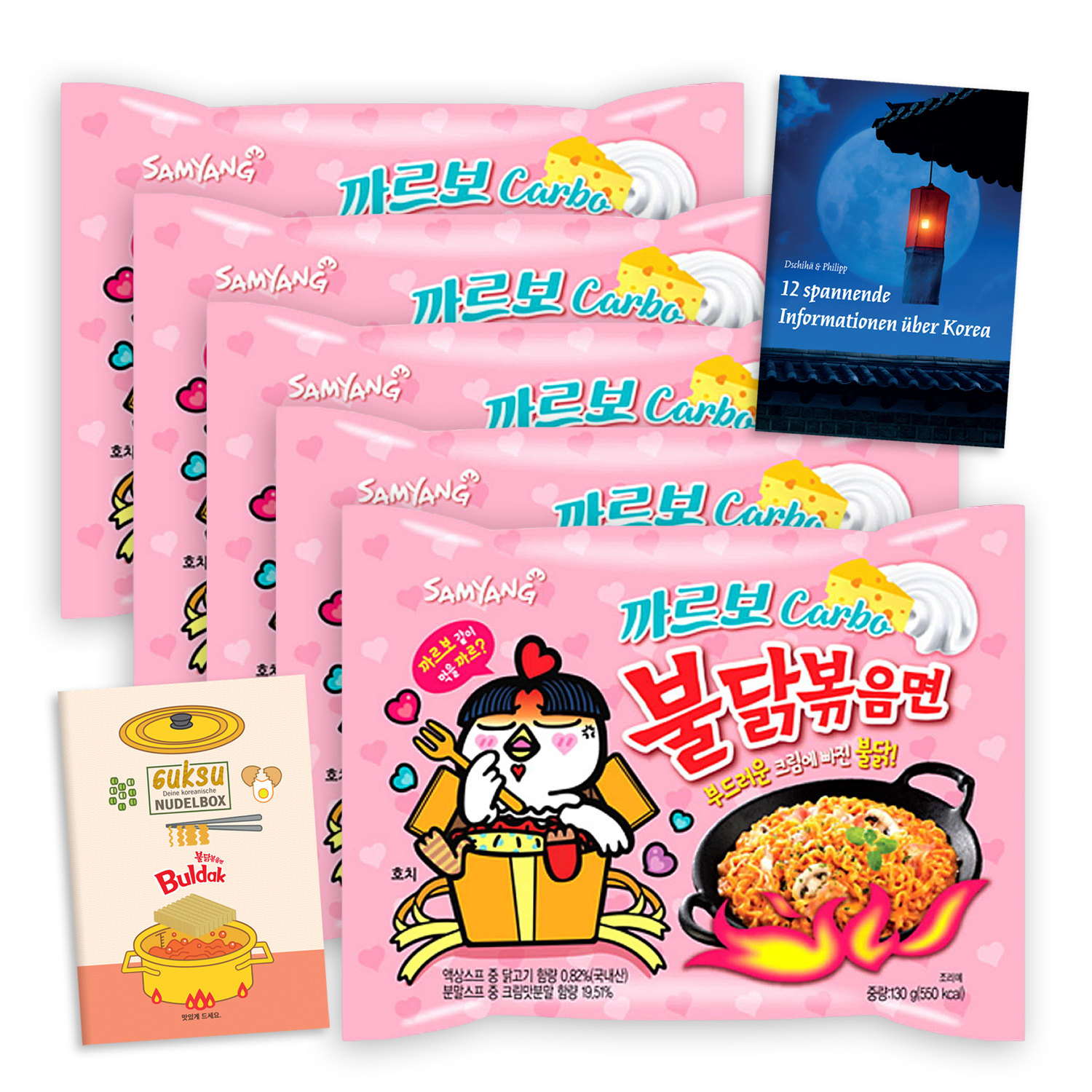
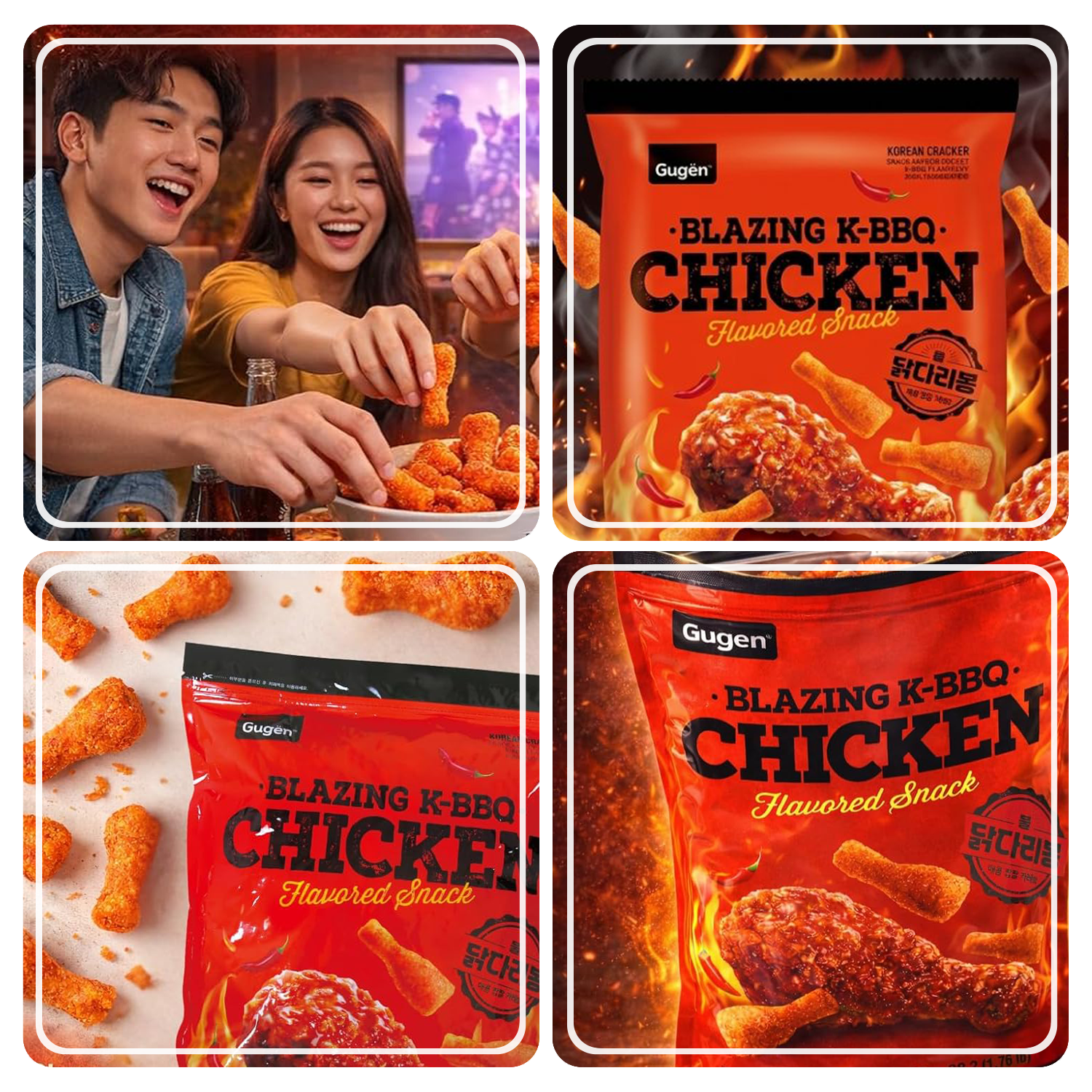
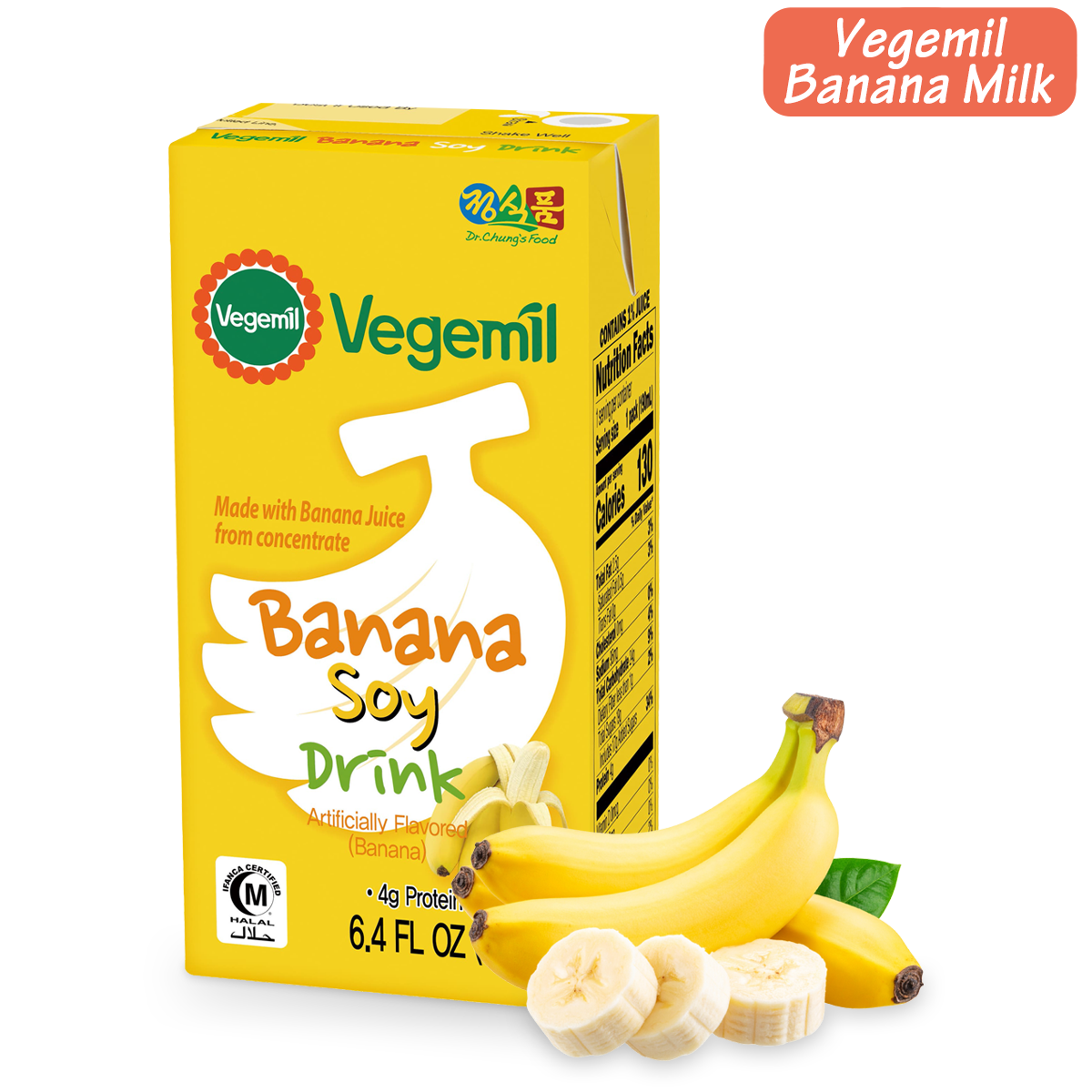
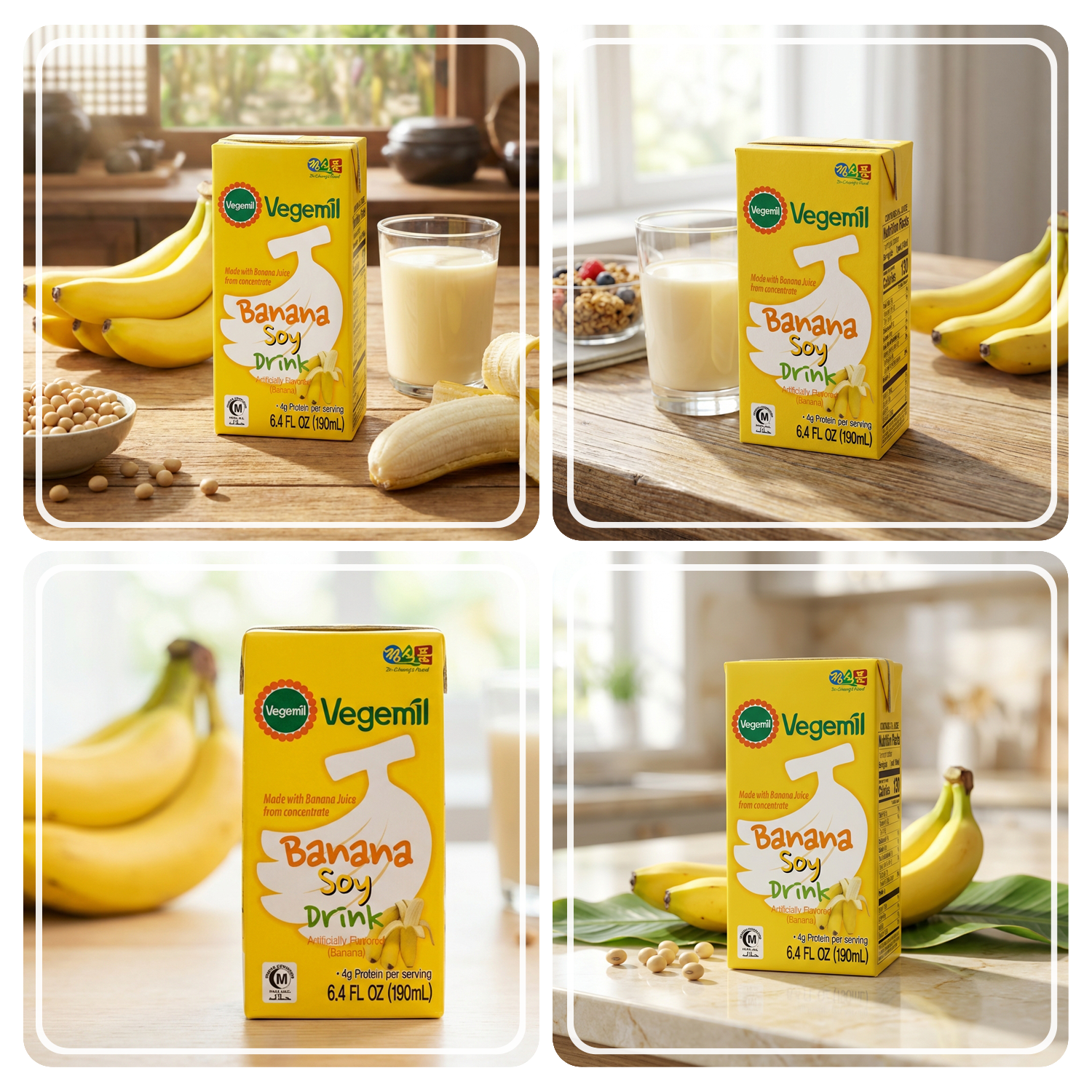
Korean food gets flattened to a single word here, spicy, and that hides how wide the range really is. At one end sit Samyang's Buldak Ramyeon, whose hottest varieties stop even practiced eaters in their tracks. At the other end are Choco Pie, banana milk or the roasted HBAF Almonds, where nothing burns at all. Why heat runs so deep in Korean eating culture is the subject of this post; which Buldak variety suits you is set out on the Buldak page.
A lot of it is decided by texture
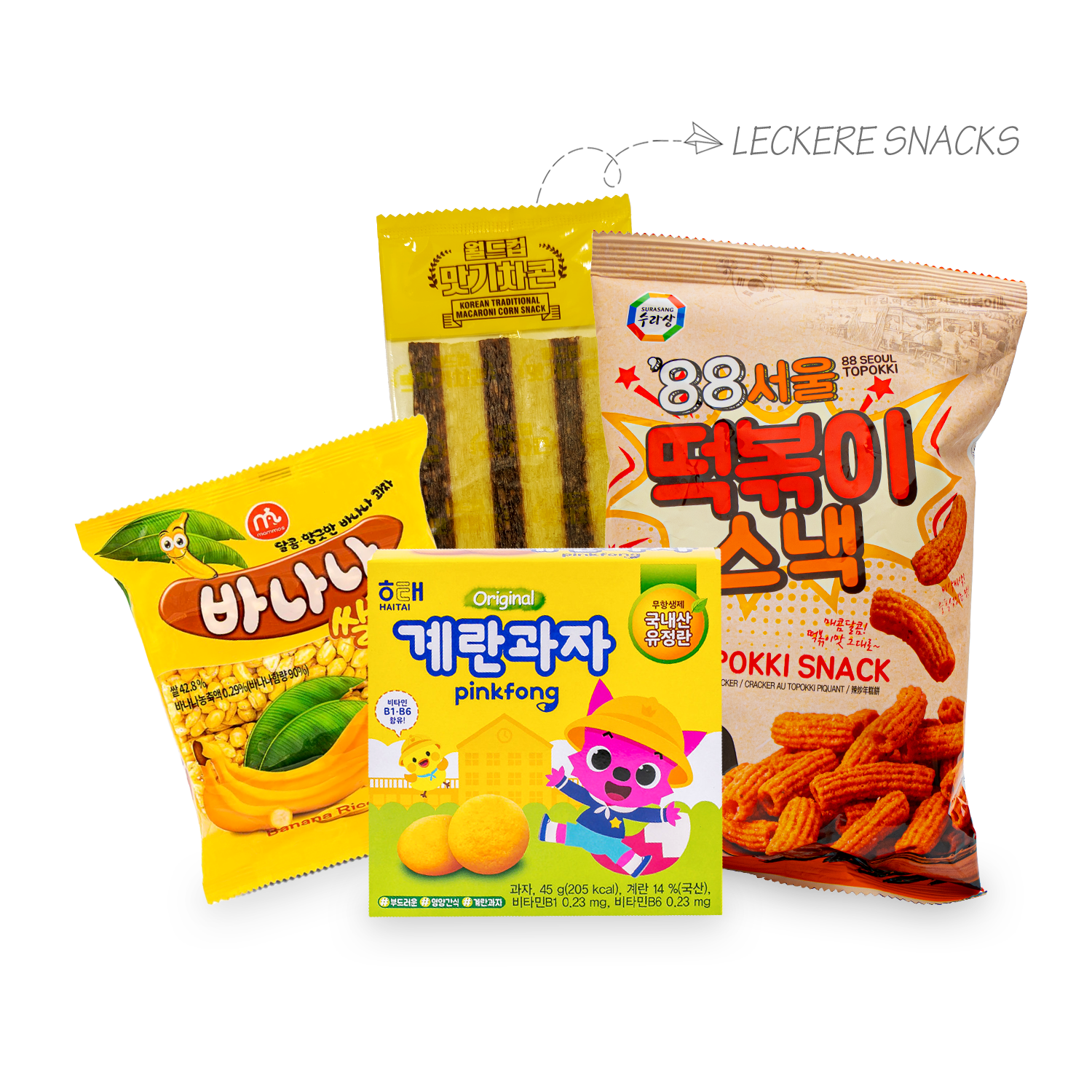
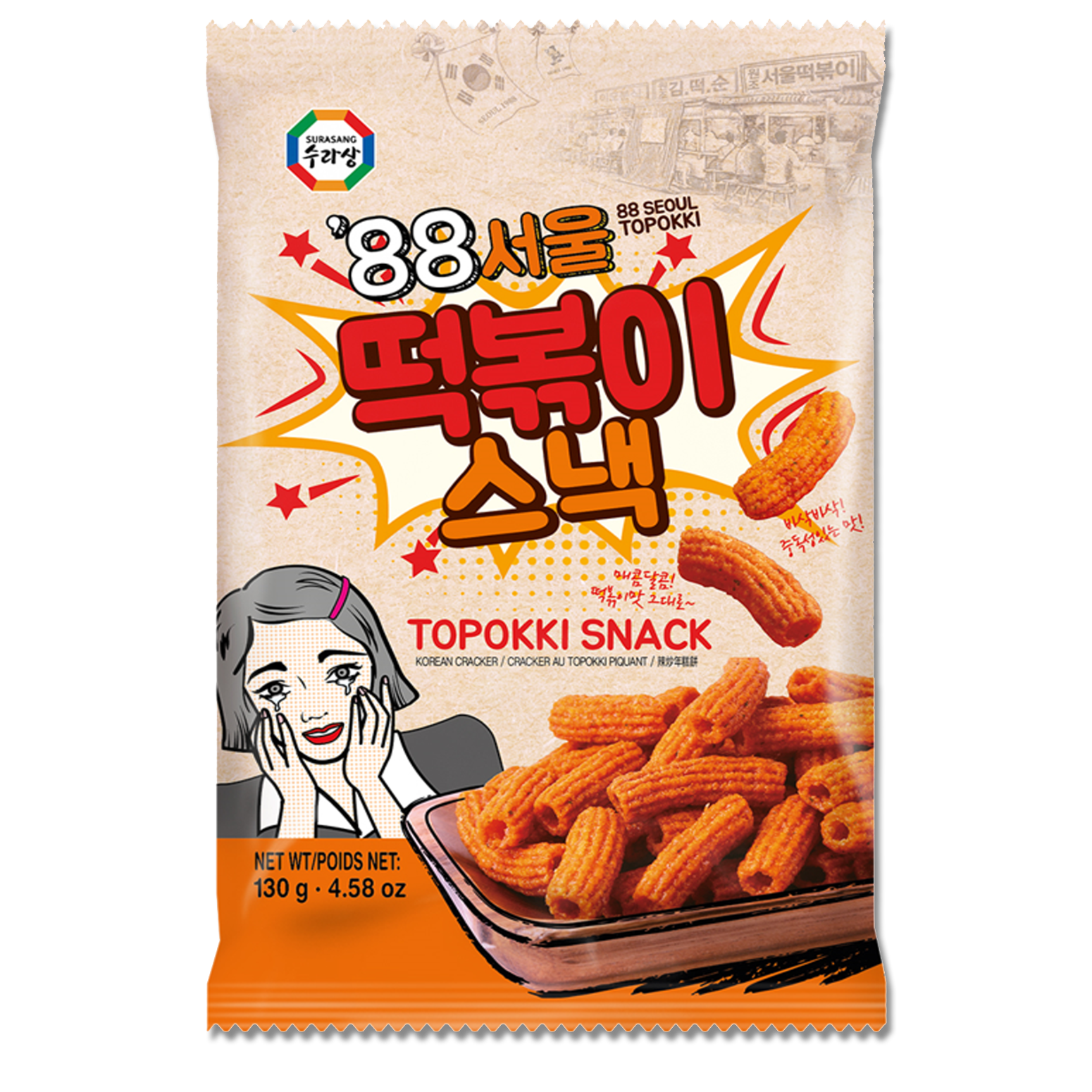
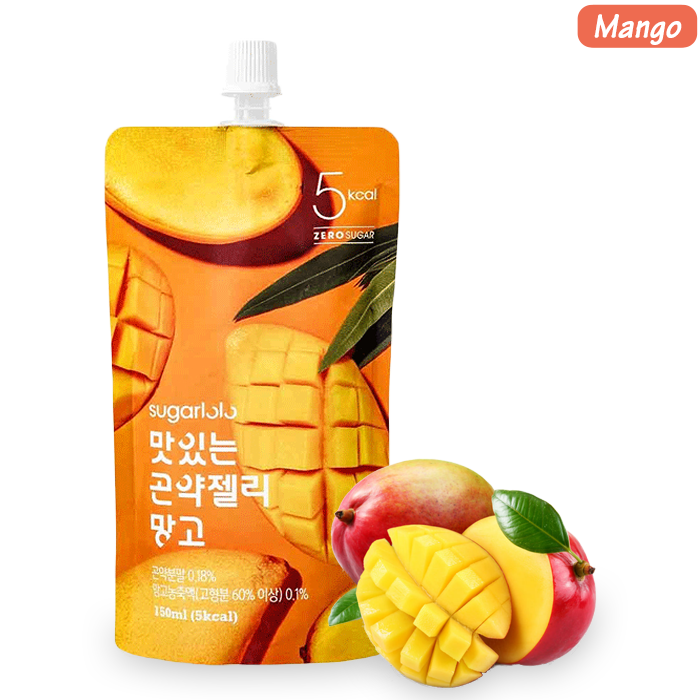
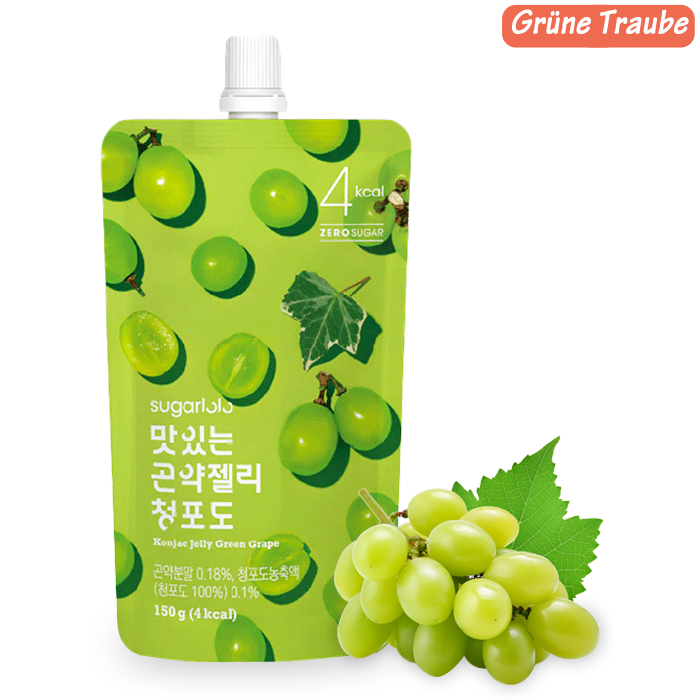
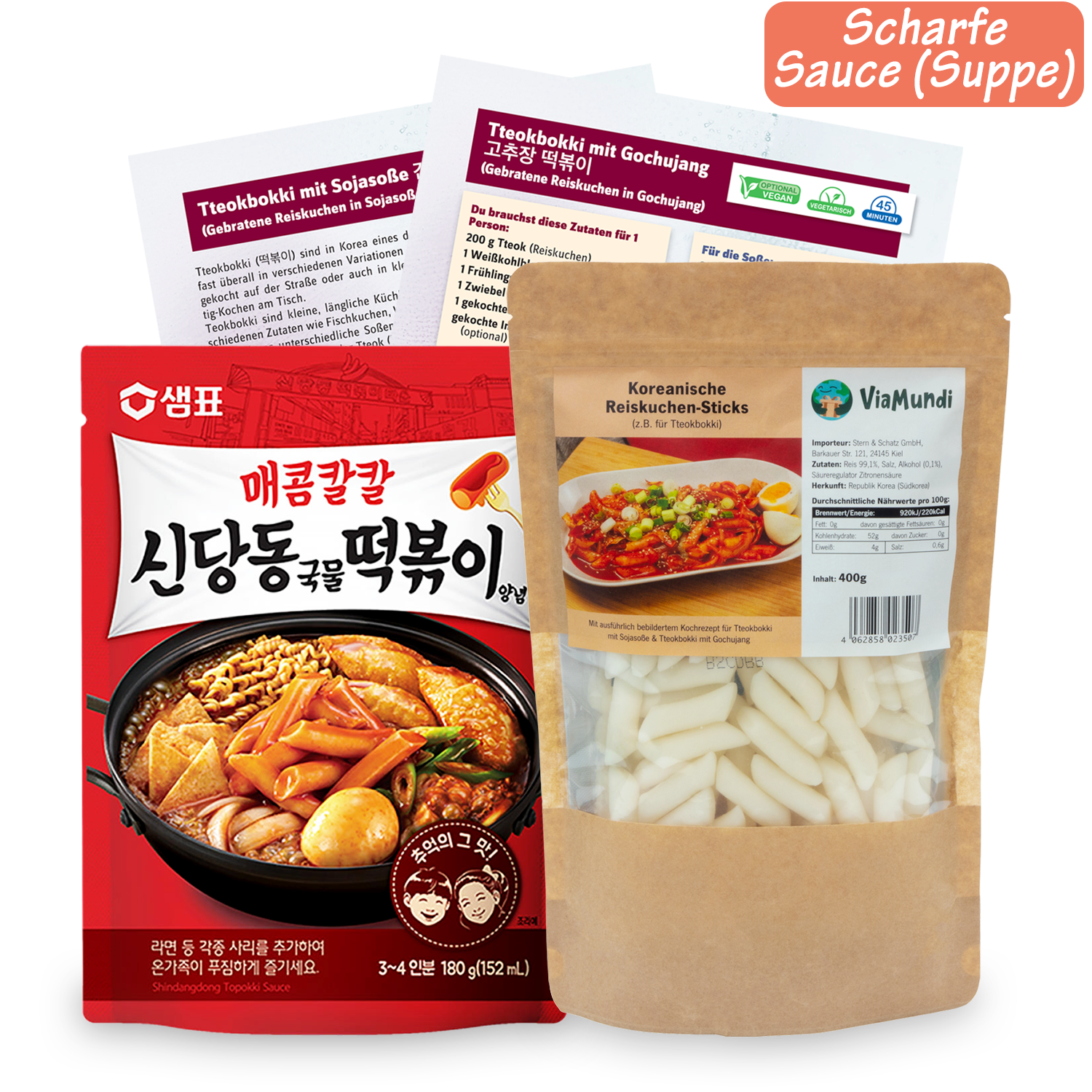
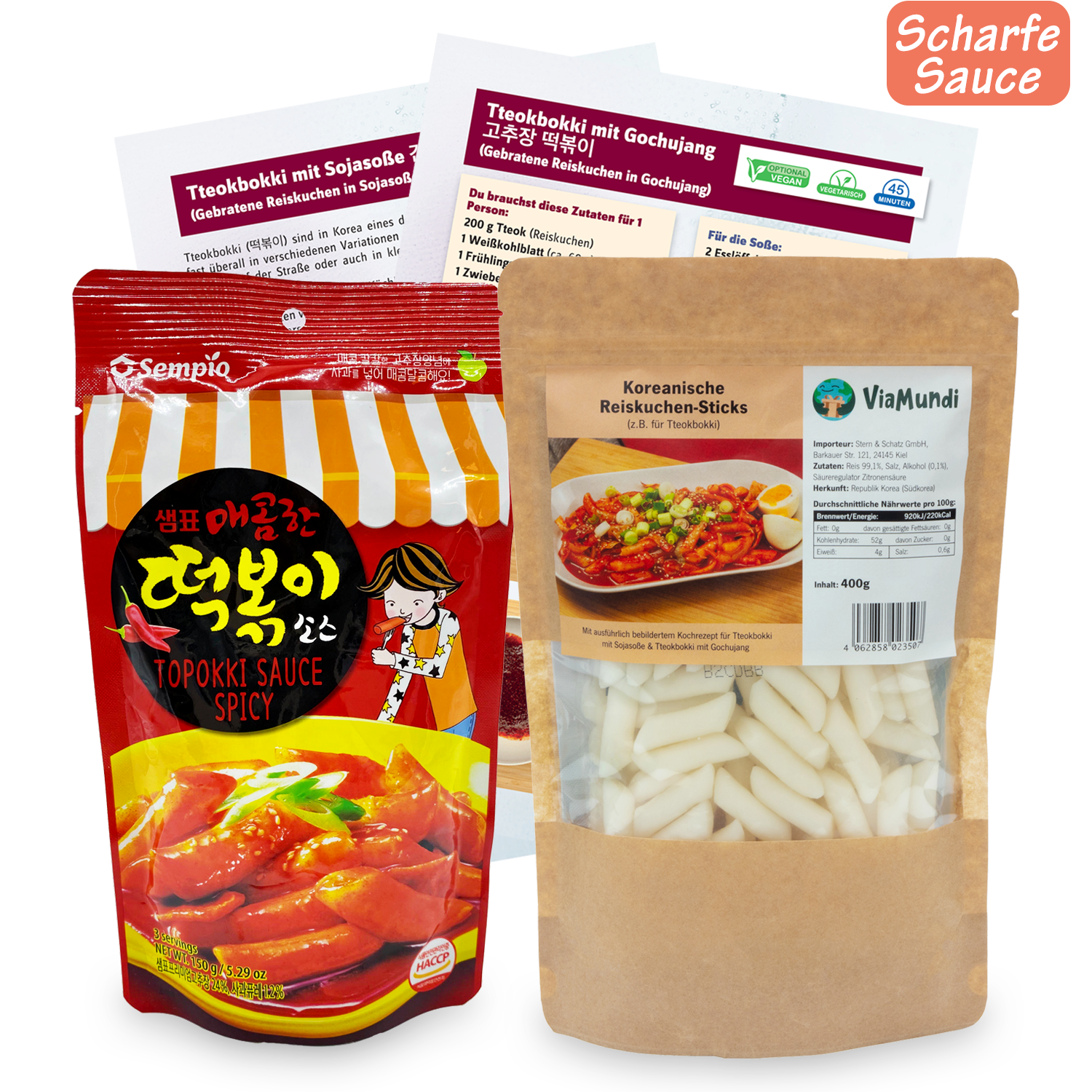
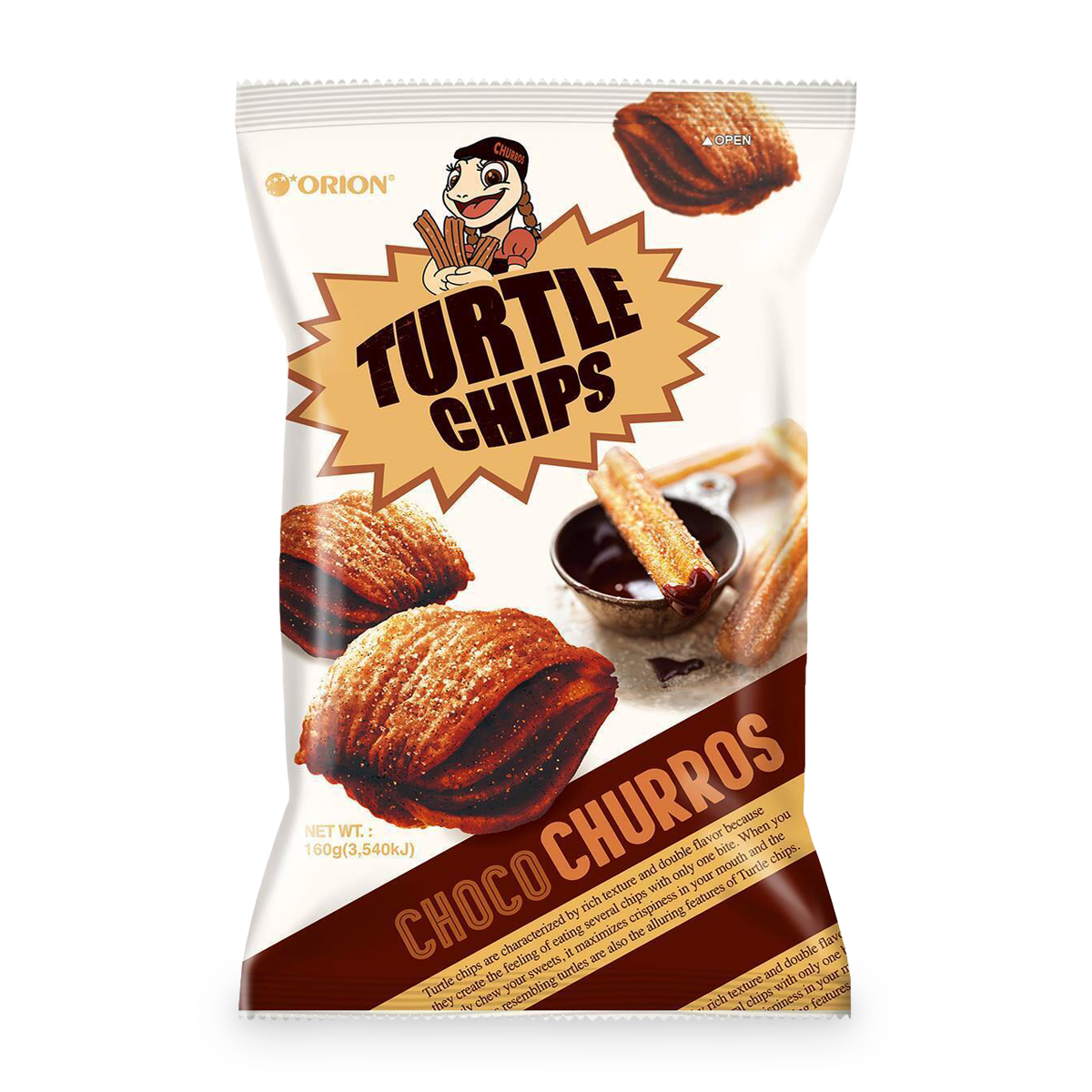
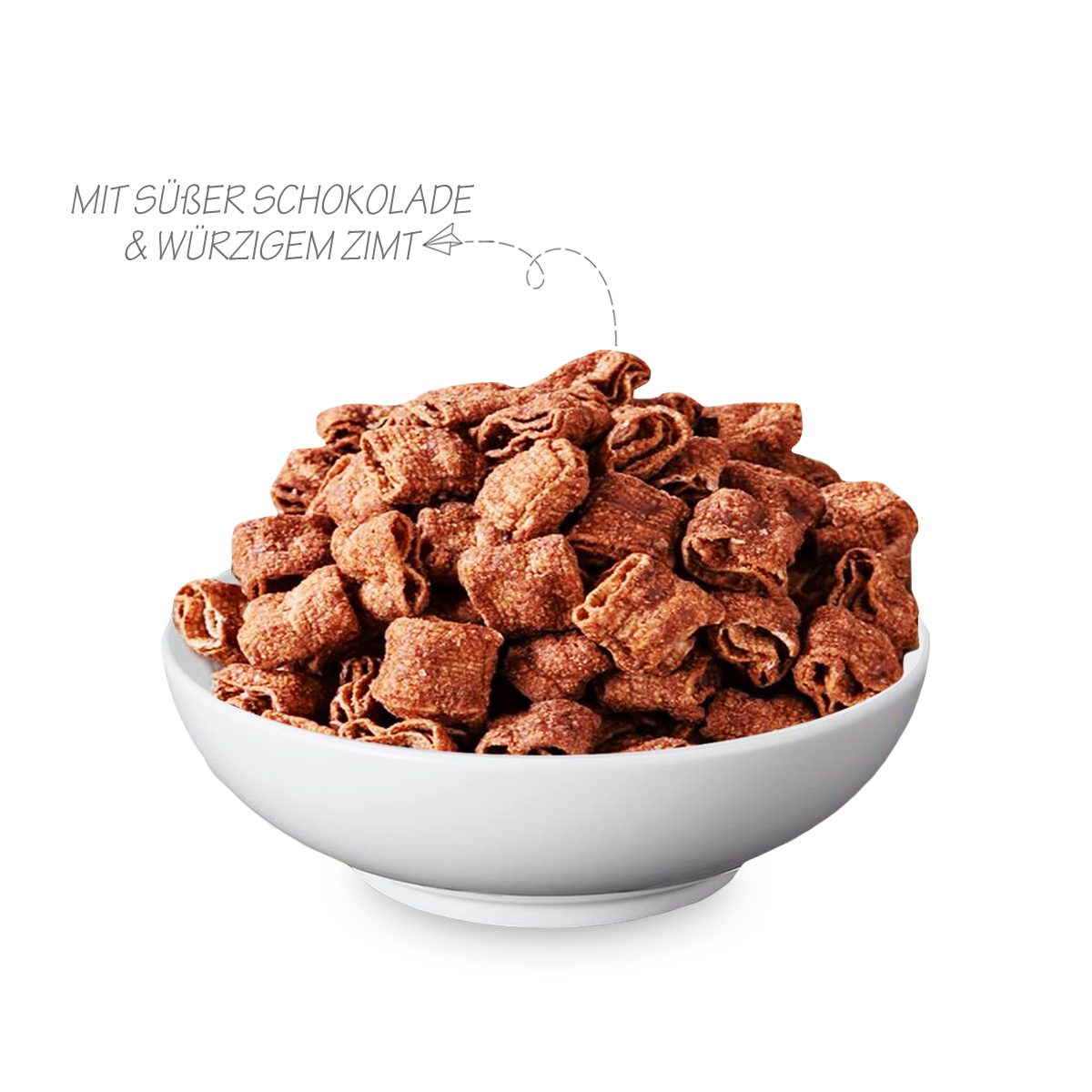
The second trait only registers once you start eating: many Korean products are defined less by flavor than by bite. Tteokbokki rice cakes are chewy and elastic, Orion's Kobuk Turtle Chips are built from four stacked layers, Konjac Jelly is drunk rather than spooned. Anyone eating this for the first time regularly underestimates how far it sits from European confectionery.
Box, single item or cooking ingredient
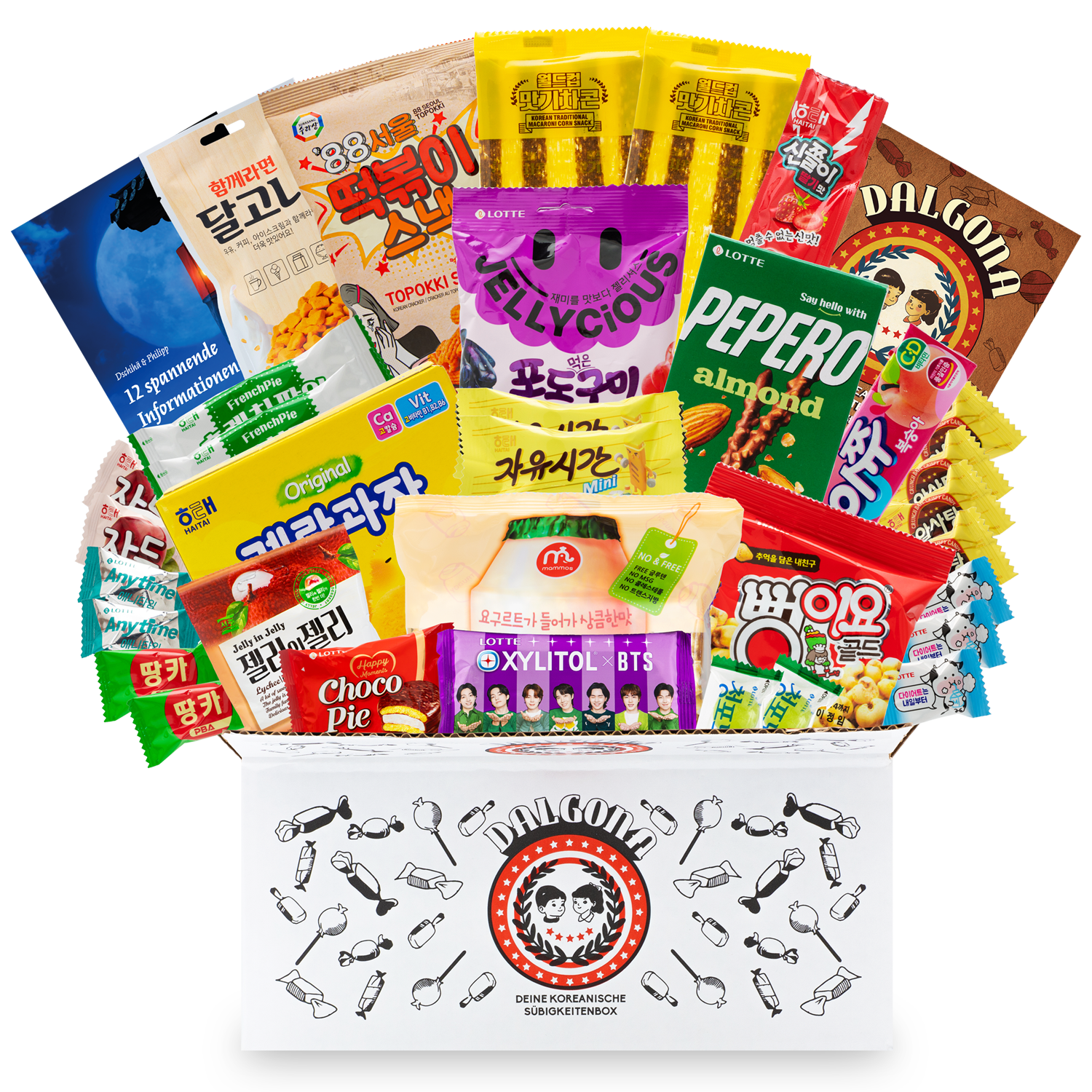
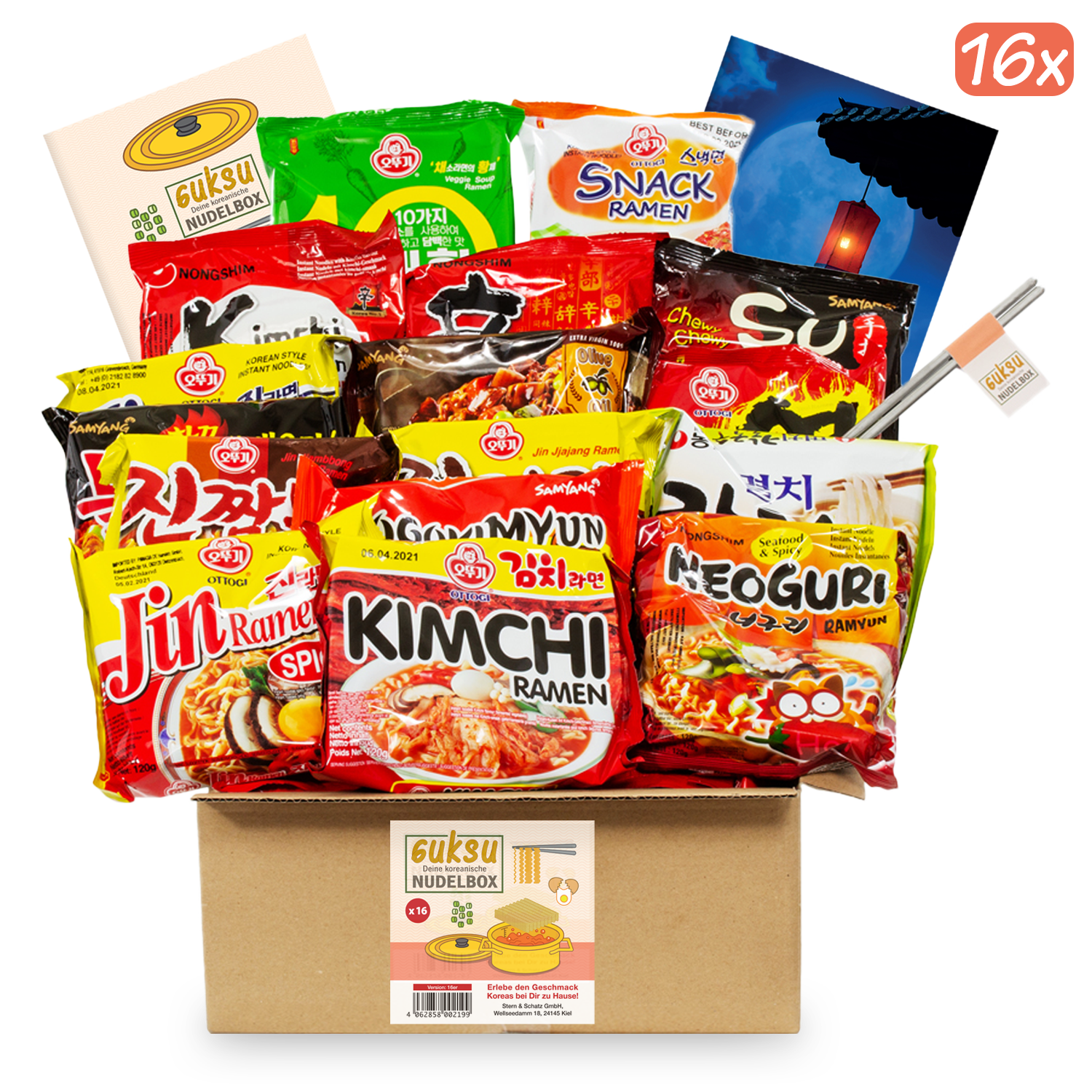
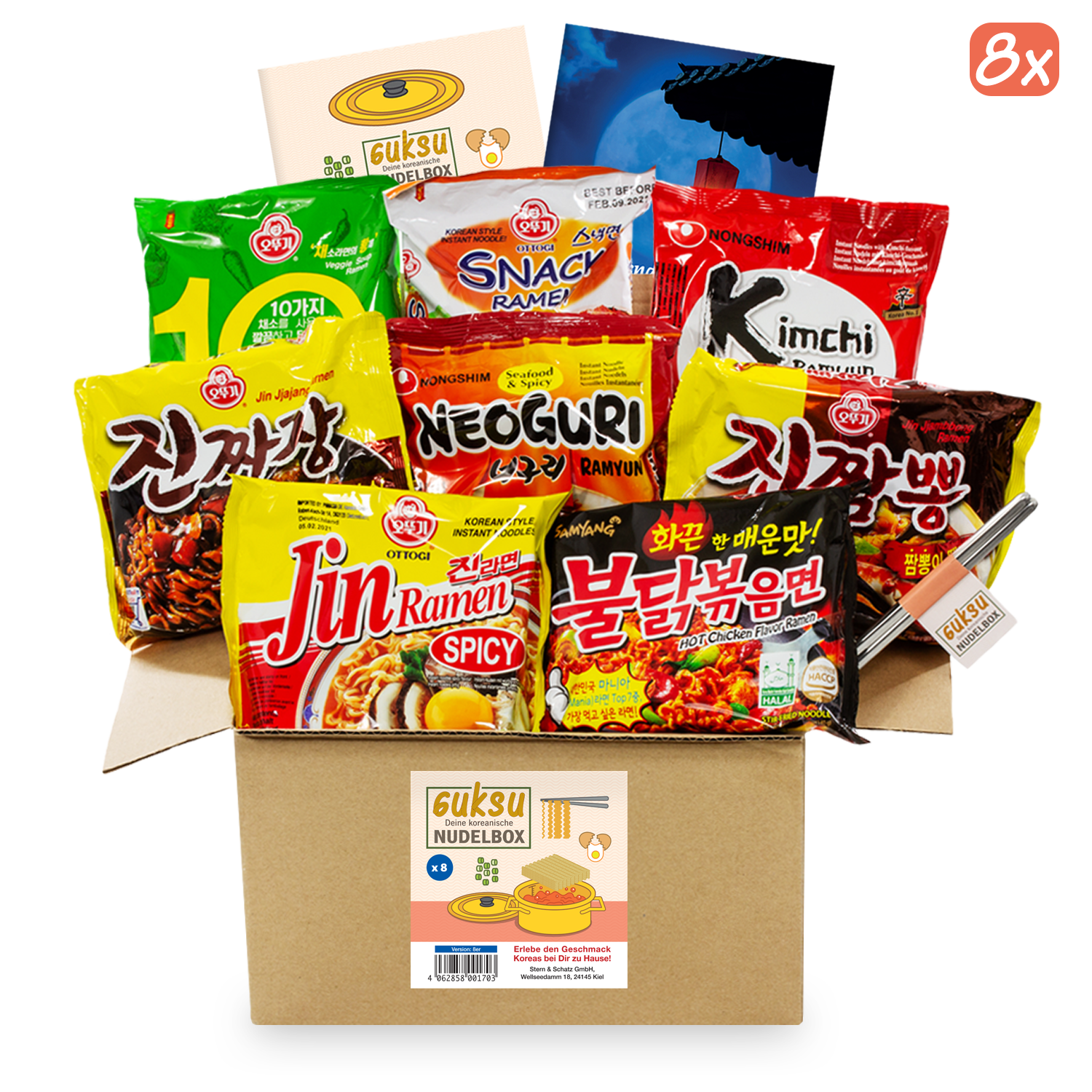
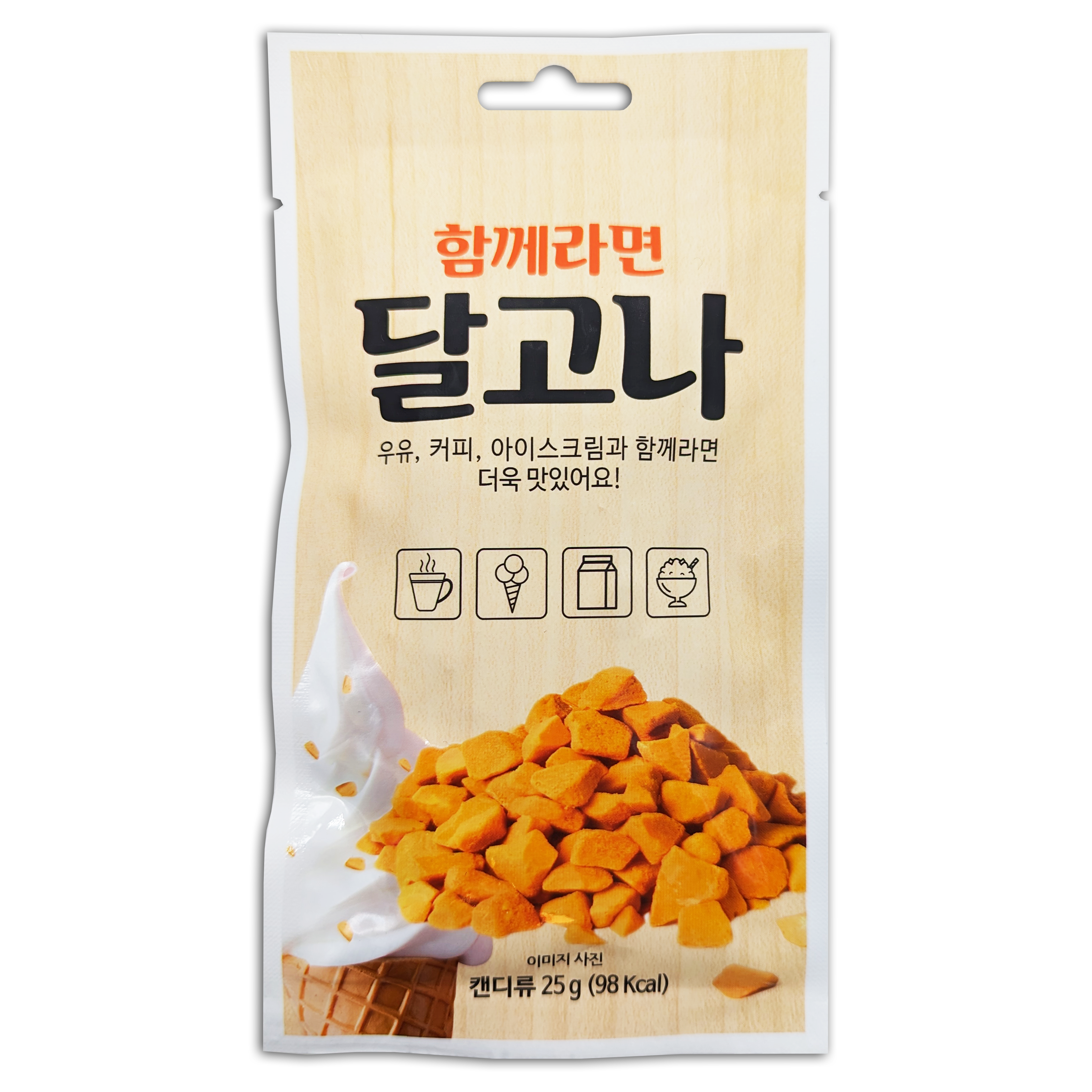
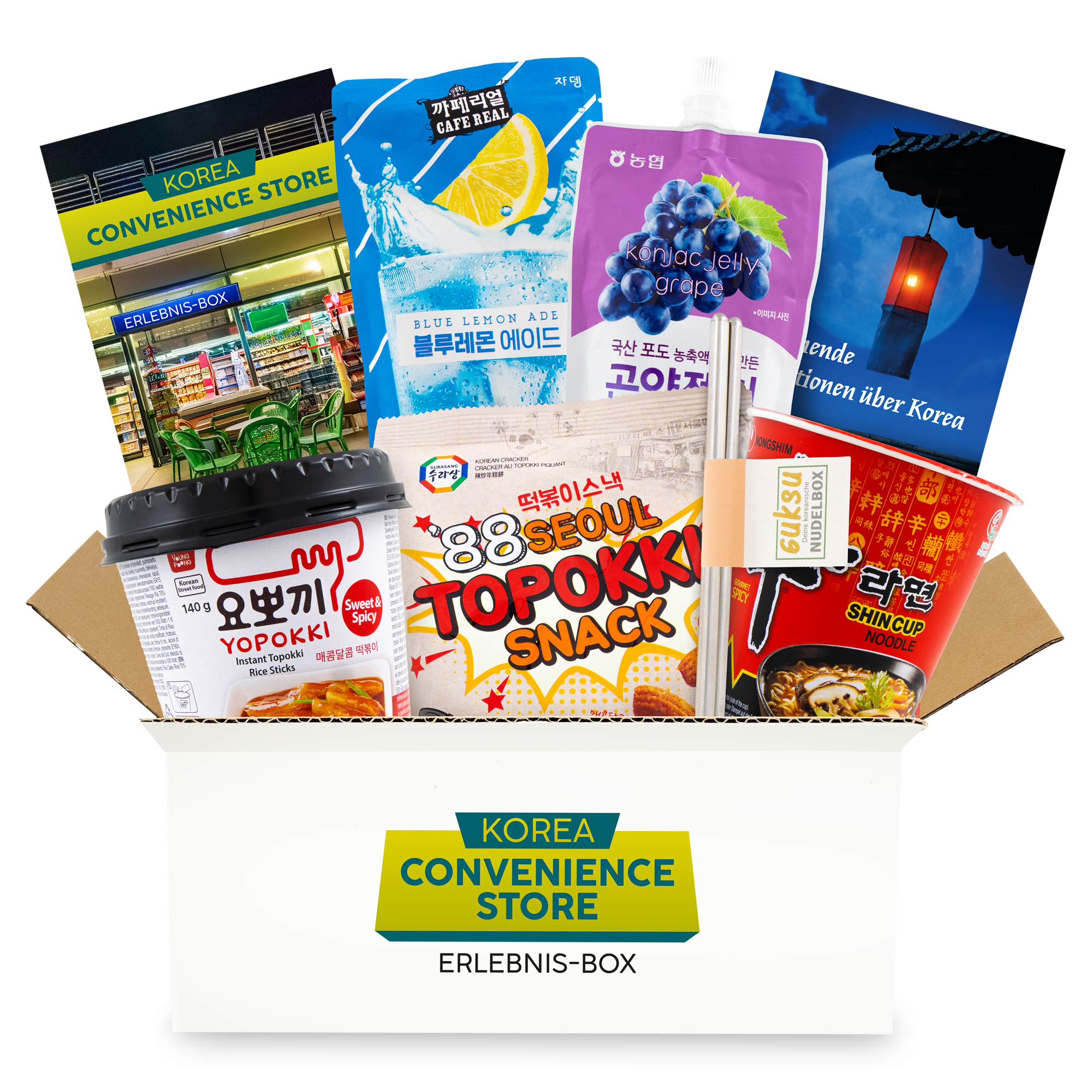
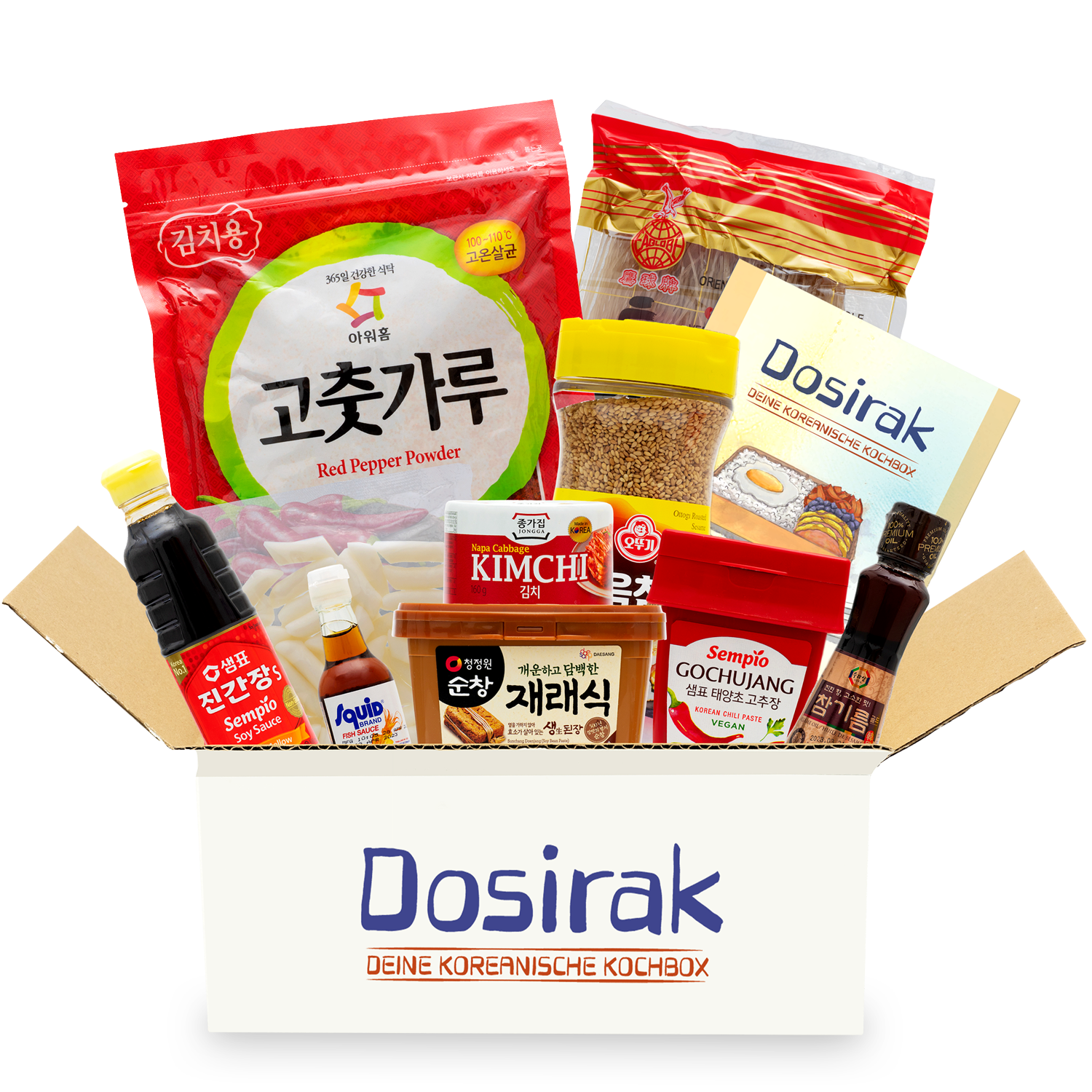
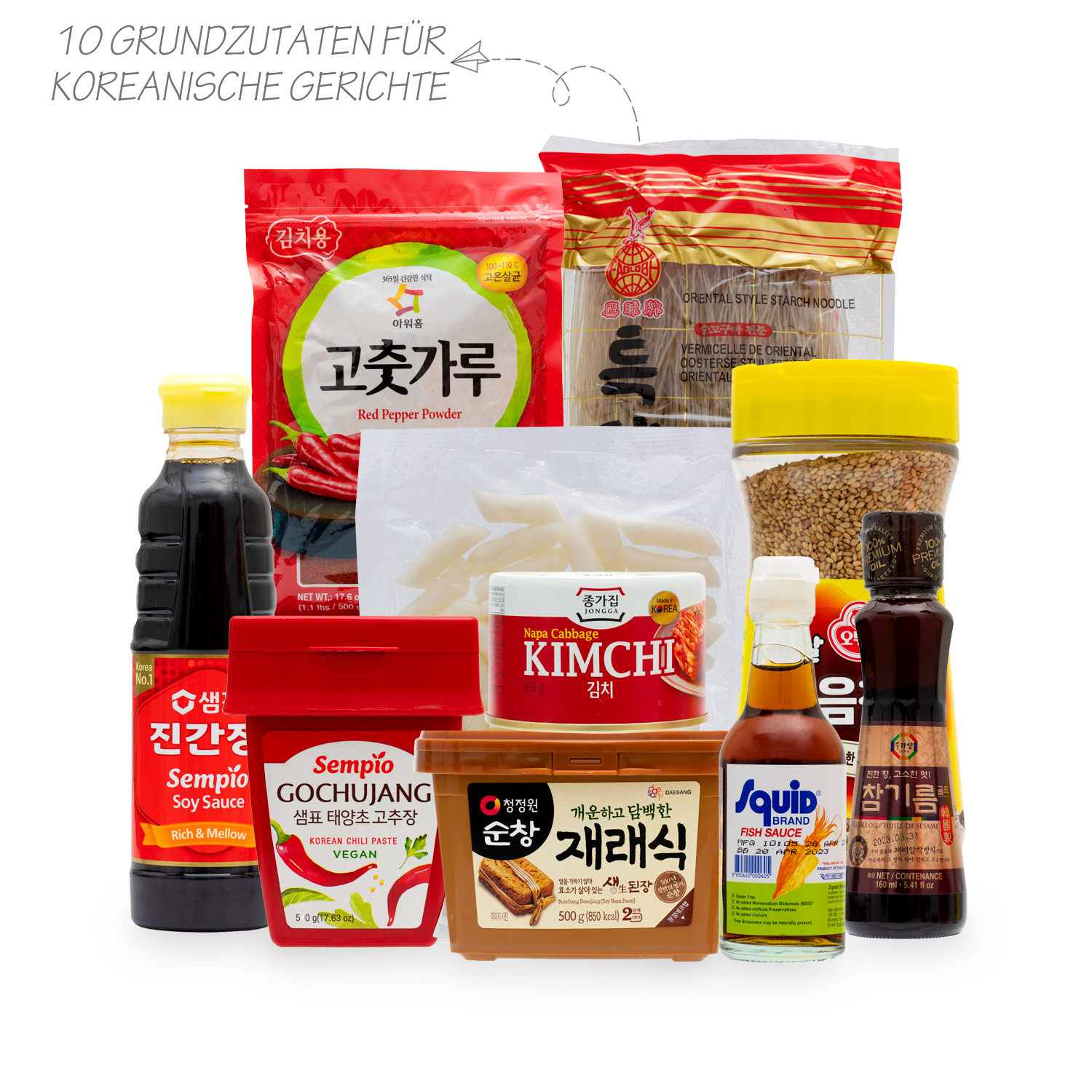
Three routes lead through this range. The surprise boxes take the choosing off your hands and are the obvious pick as a gift: Dalgona for sweets, Guksu for instant noodles, the Korea Convenience Store Experience Box for a cross-section. Single items pay off once you already know a flavor and want it again. The cooking boxes, by contrast, assume you are willing to stand at the stove yourself: Dosirak for whole dishes, the Tteokbokki rice cake cooking box to start with. In between sit K-Beauty and merch, because Korea has long exported more than food.
Almost everything on the packaging is written in Hangul, an alphabet you can get through in an afternoon. And if Korea turns out to be a shade too intense for you: Japan is the noticeably more restrained neighborhood.