The difference from Korea is restraint
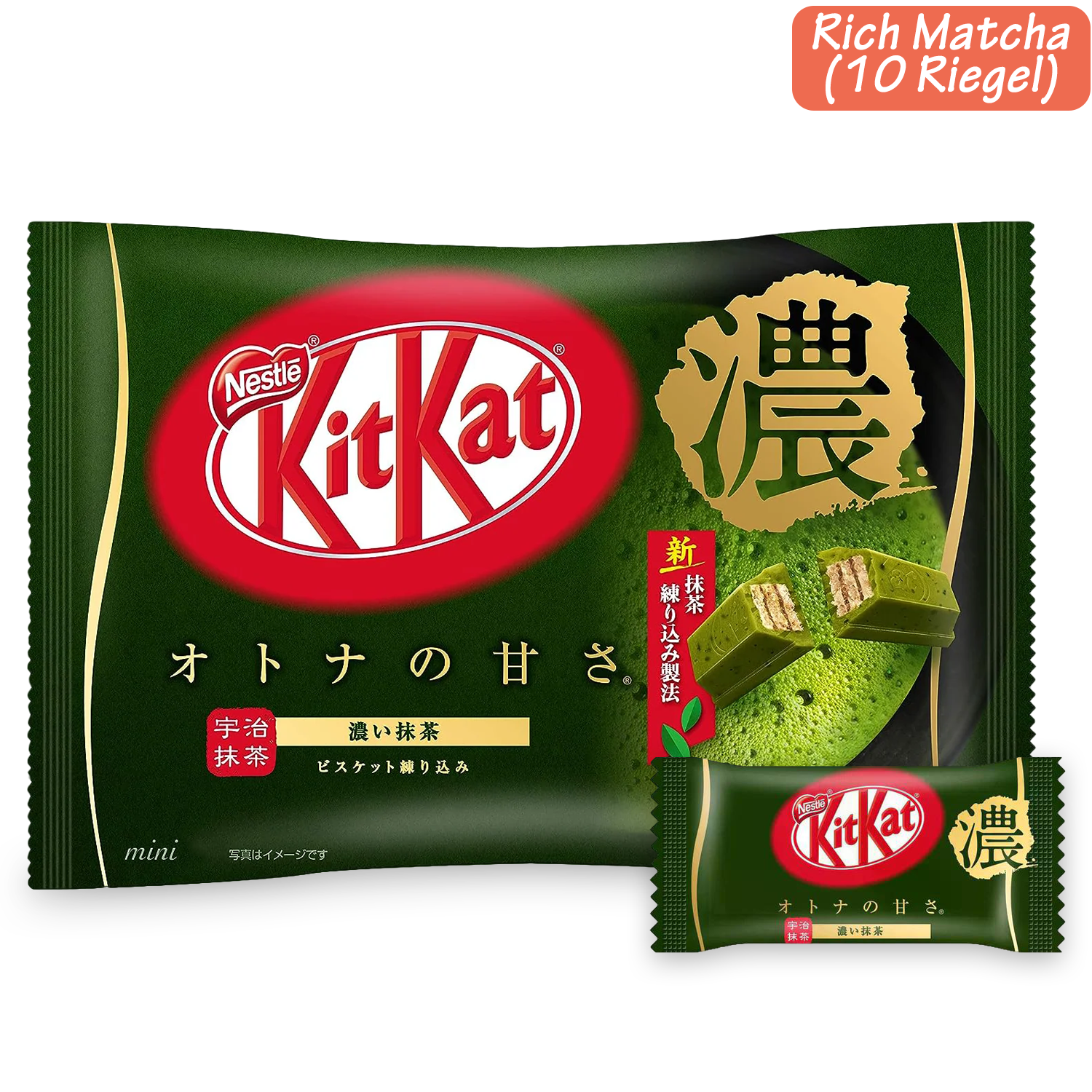
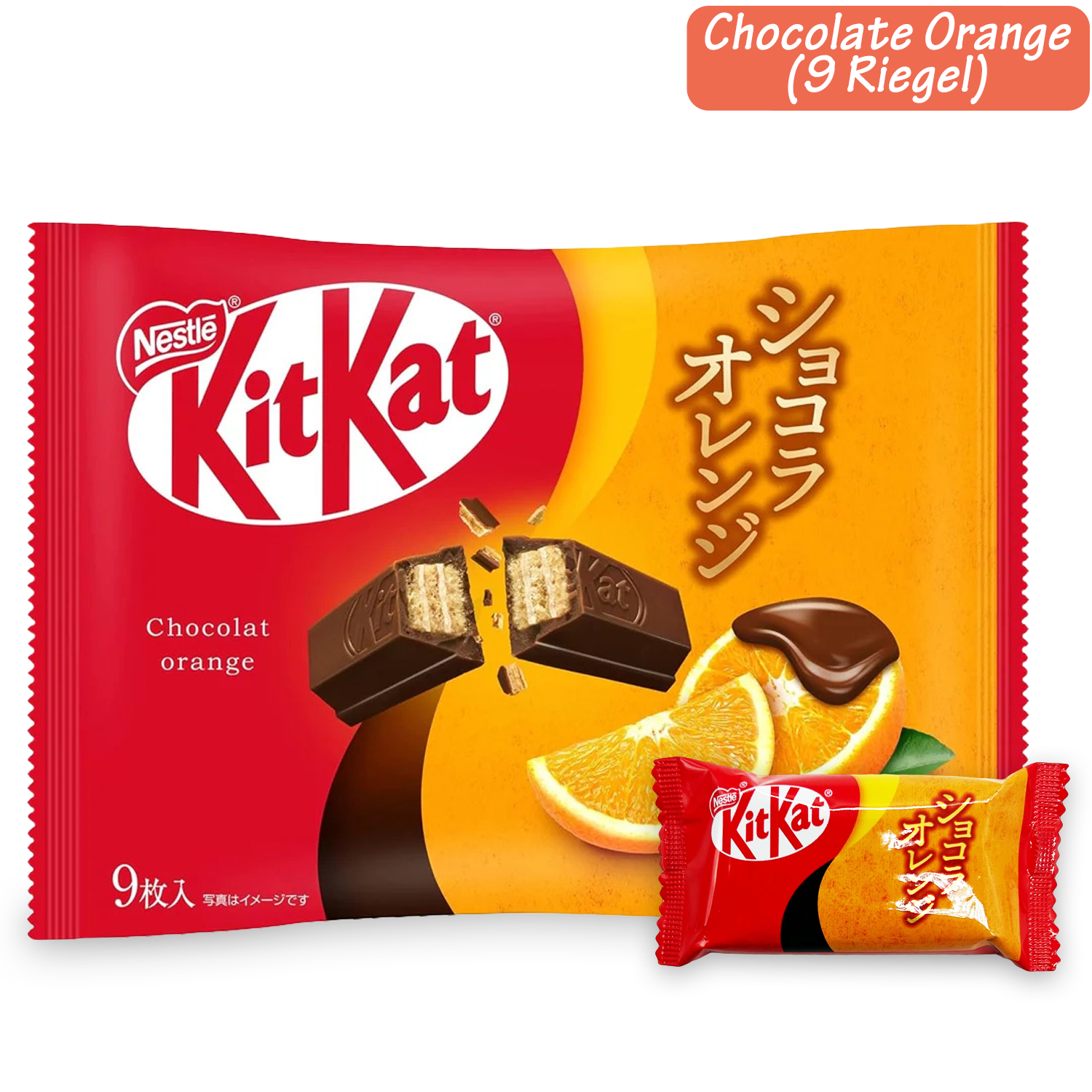
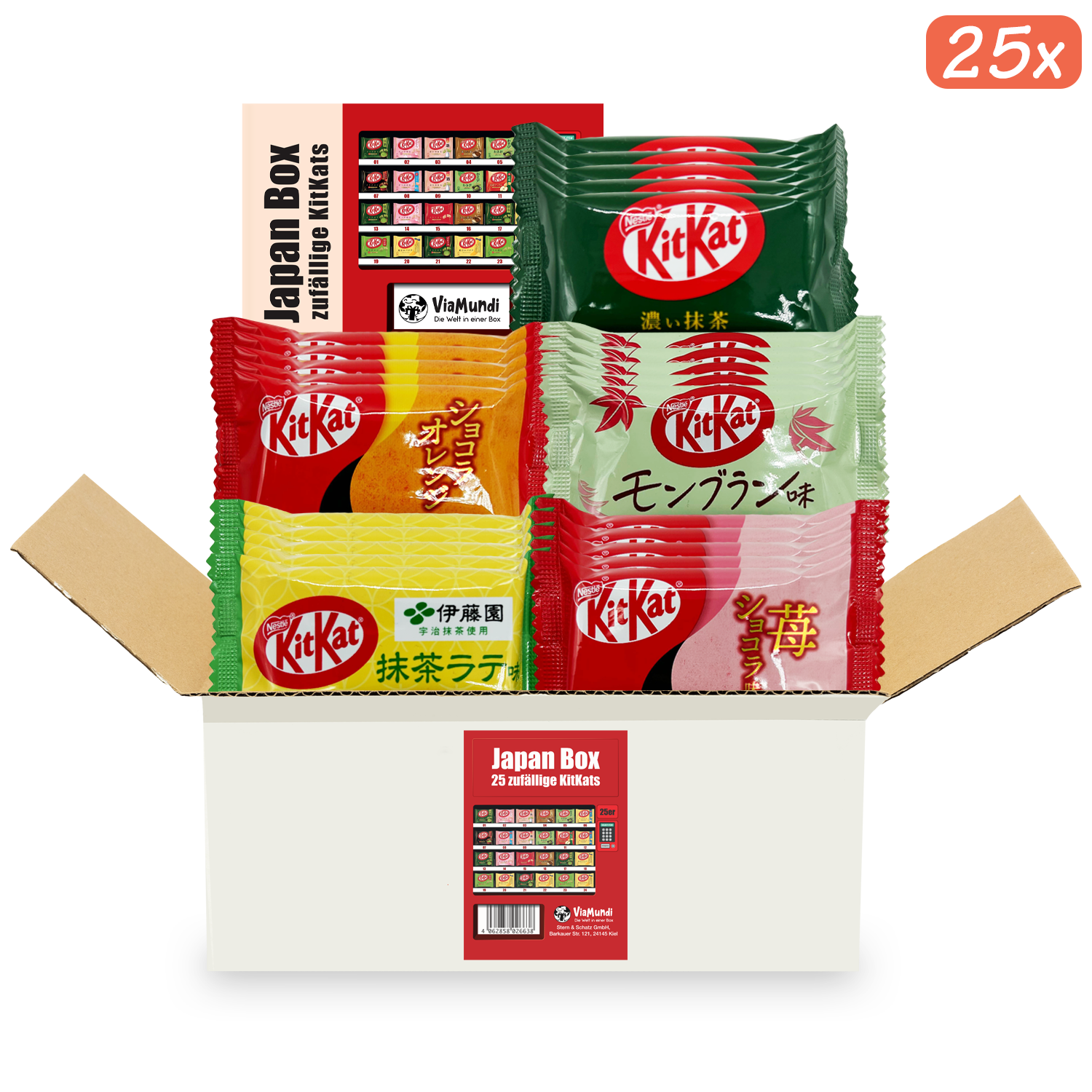
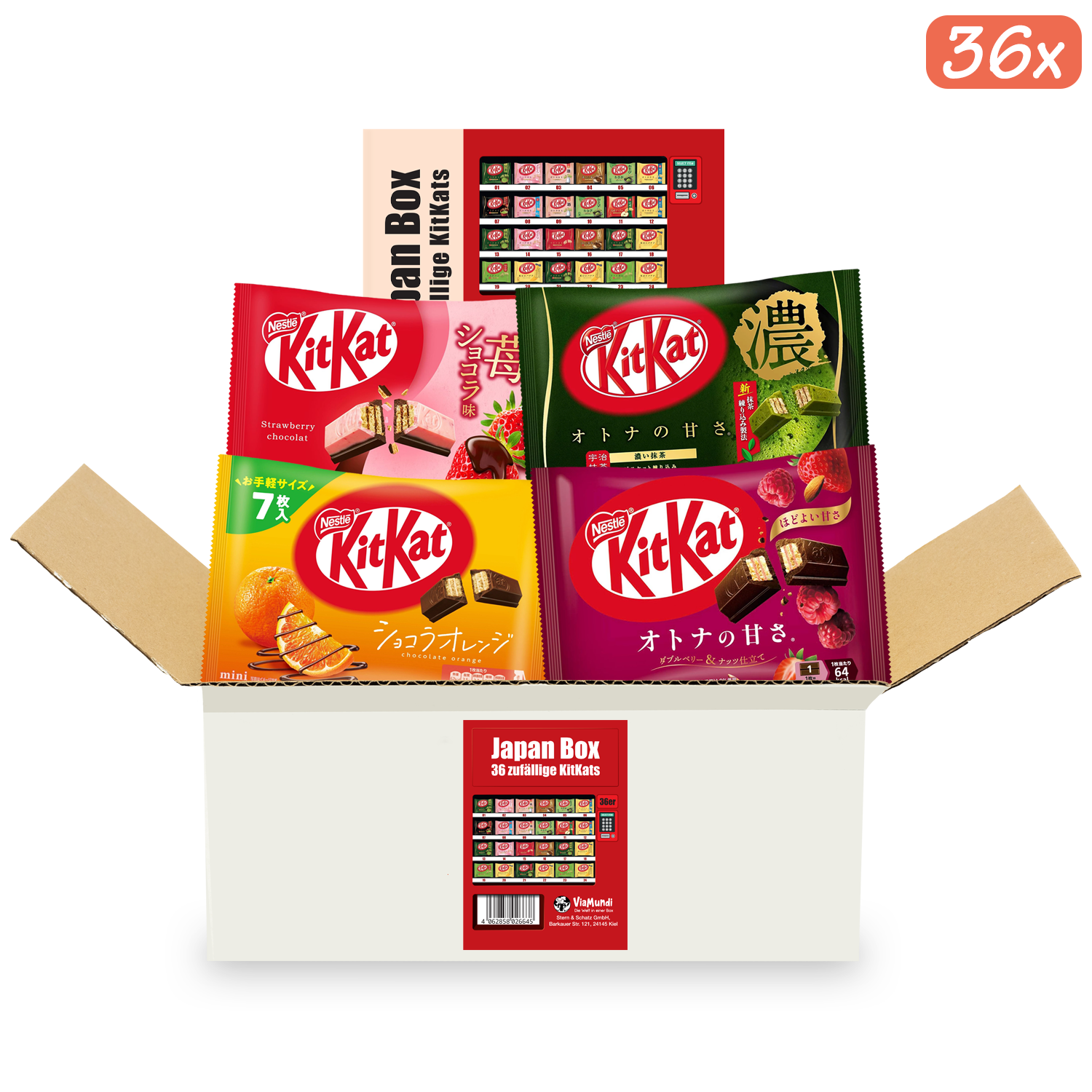
Coming here from Korean snacks, you notice it straight away: Japanese sweets rarely work with heat and almost never with force. They rely on texture, on quiet sweetness, and on varieties that exist for one season only. KitKat is the obvious example. In Japan the bars turn up in flavors that never reach European shelves, which is why they sit here both as a value pack of one variety and as a mixed surprise box.
Noodles, mochi and the ground between them
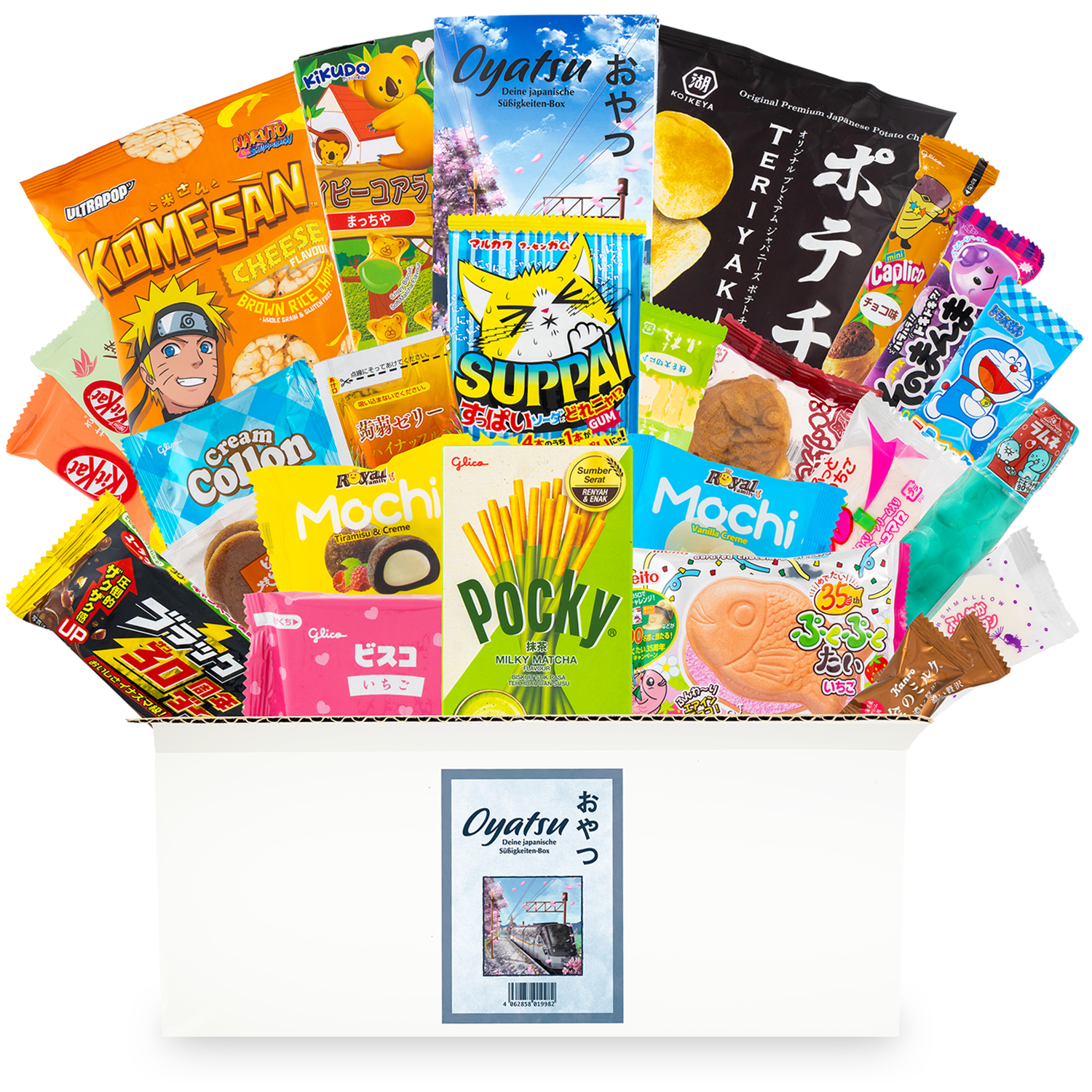
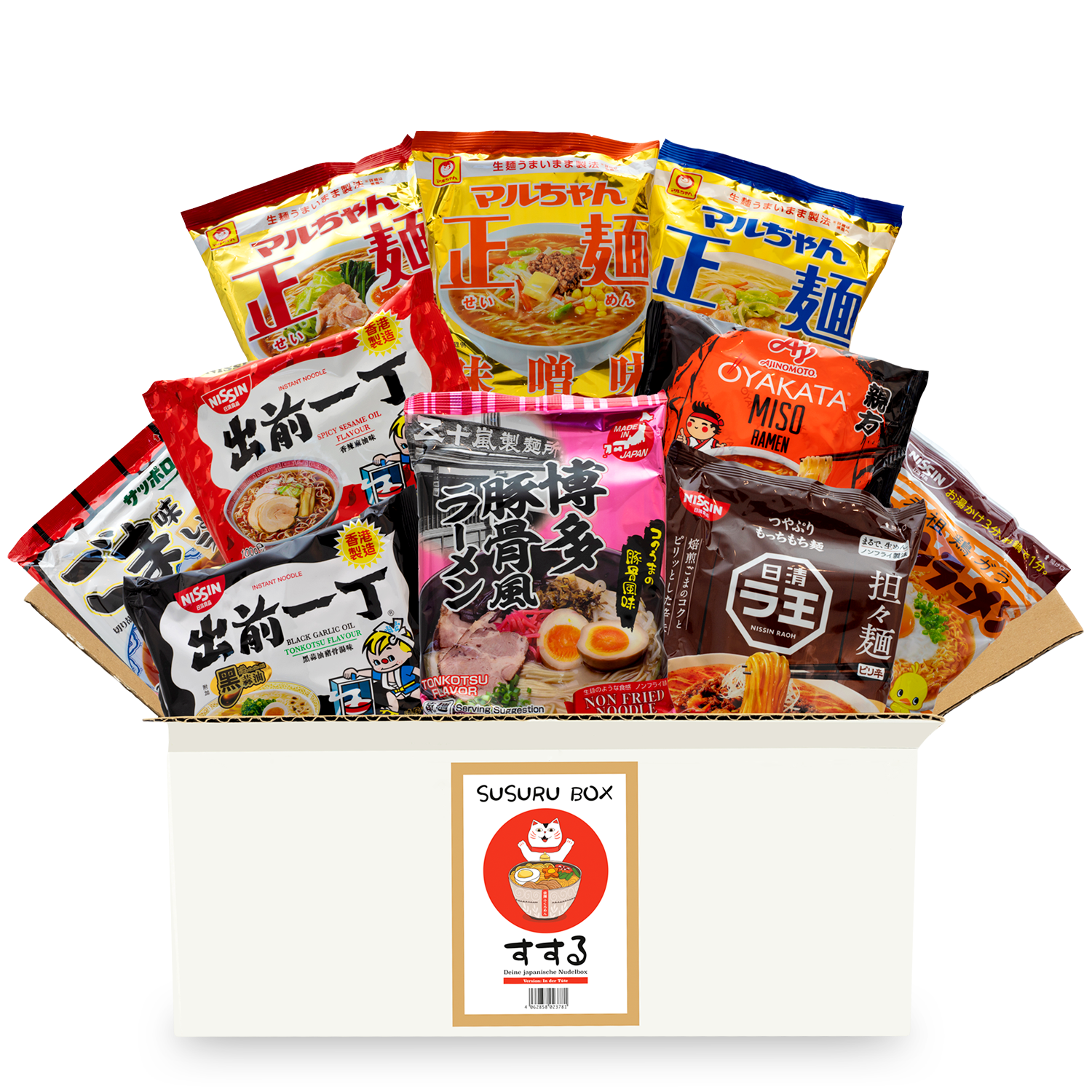
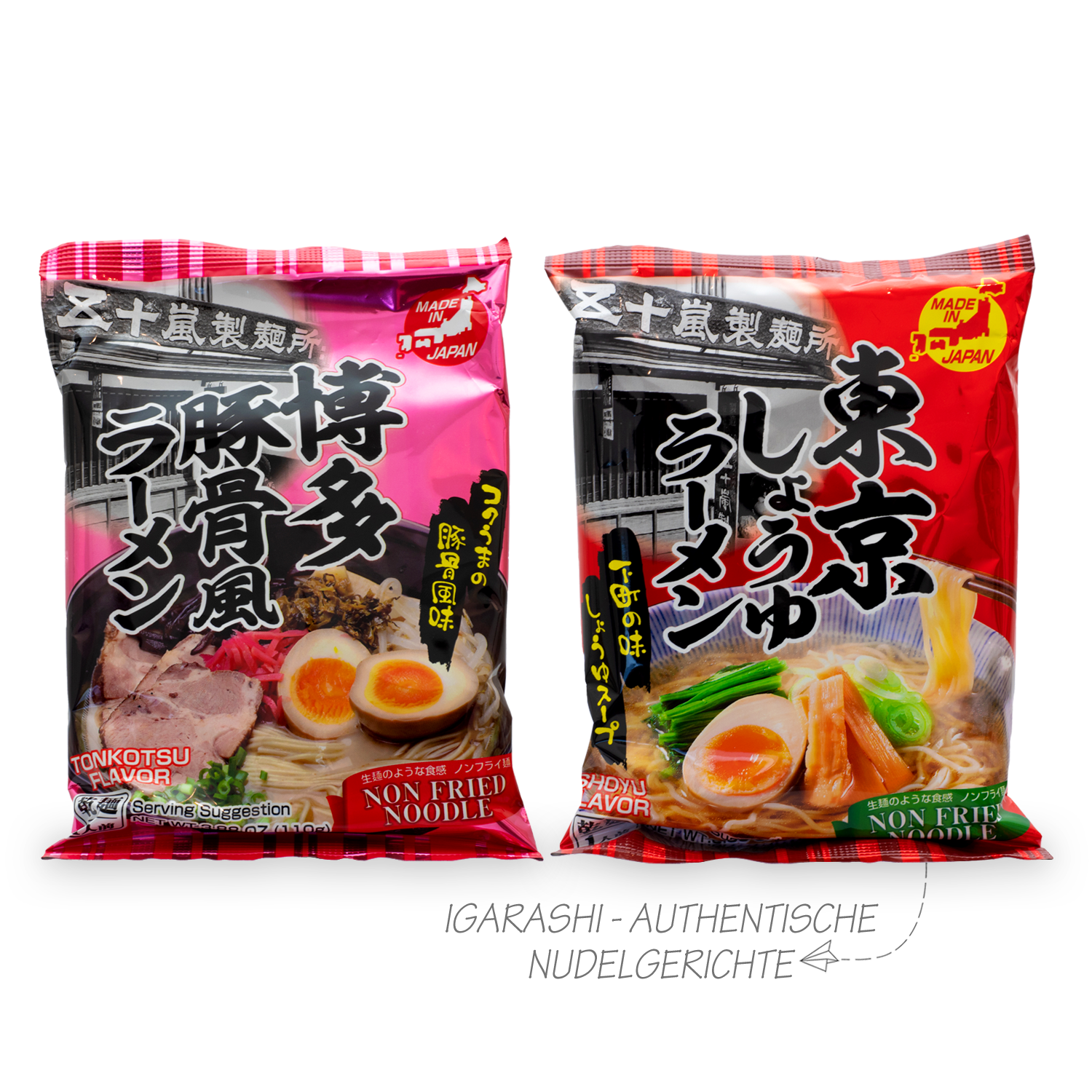
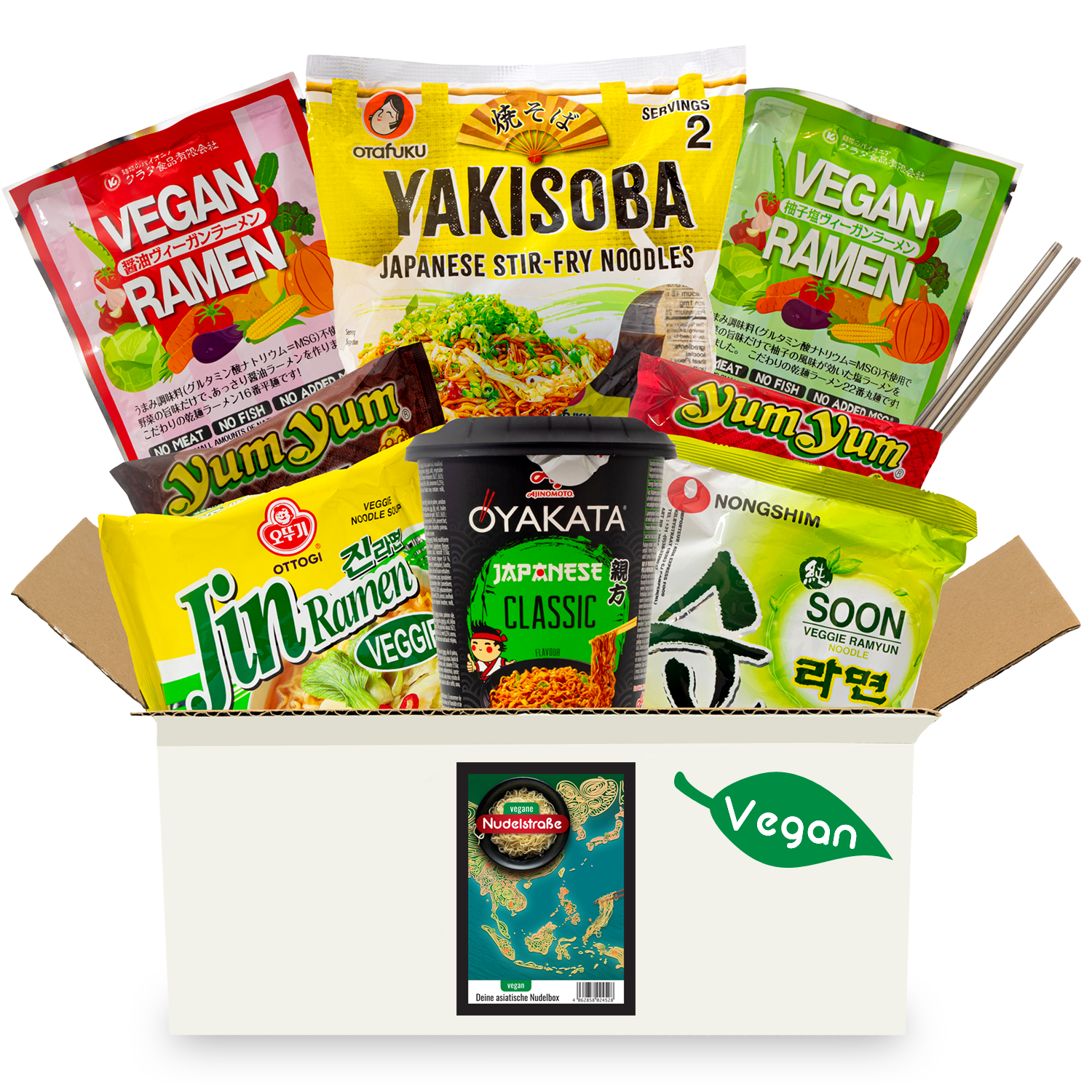
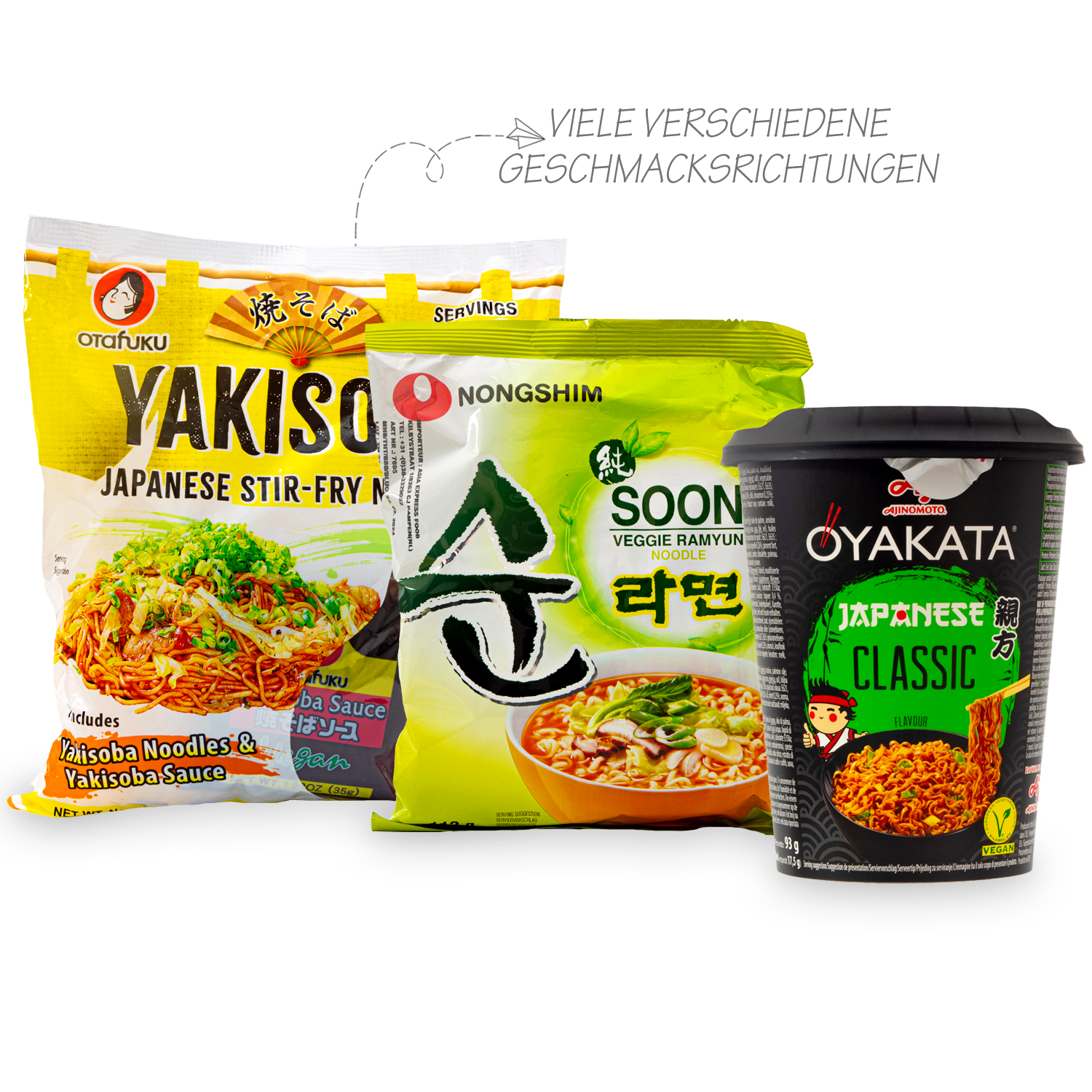
With instant noodles, what sets Japan apart from Korean ramyeon is mostly the broth: more miso and soy sauce, less chili. The Susuru boxes come as cups and as bags, which in practice is the difference between a lunch break and your own pot. Mochi cakes with matcha and red bean paste, on the other hand, are the classic way in if you have never tried Japanese sweets: soft, sticky, less sweet than expected. If you would rather taste across the whole range, the Oyatsu box serves you better than individual bags.
The trimmings: bowls, chopsticks, decoration
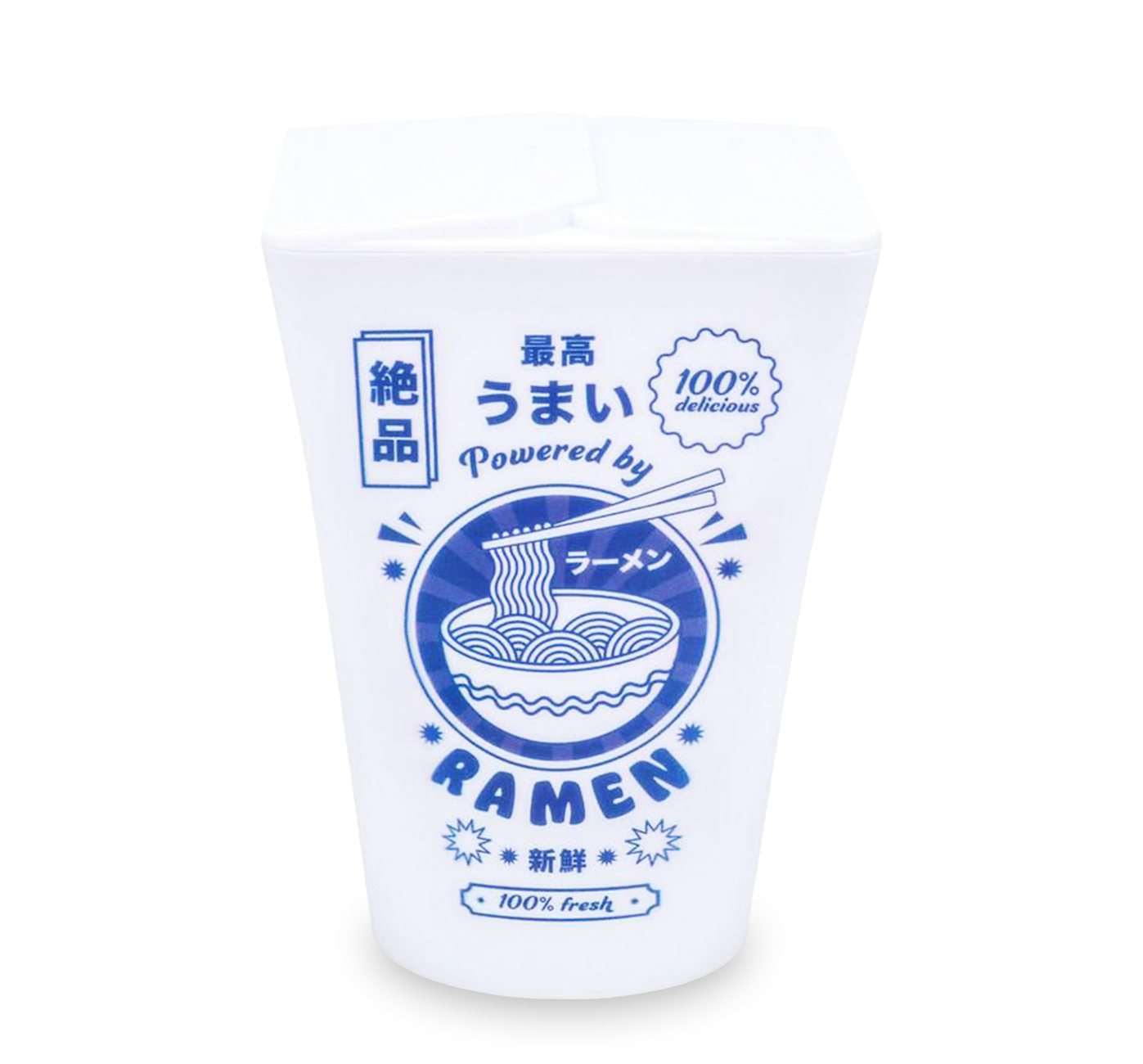
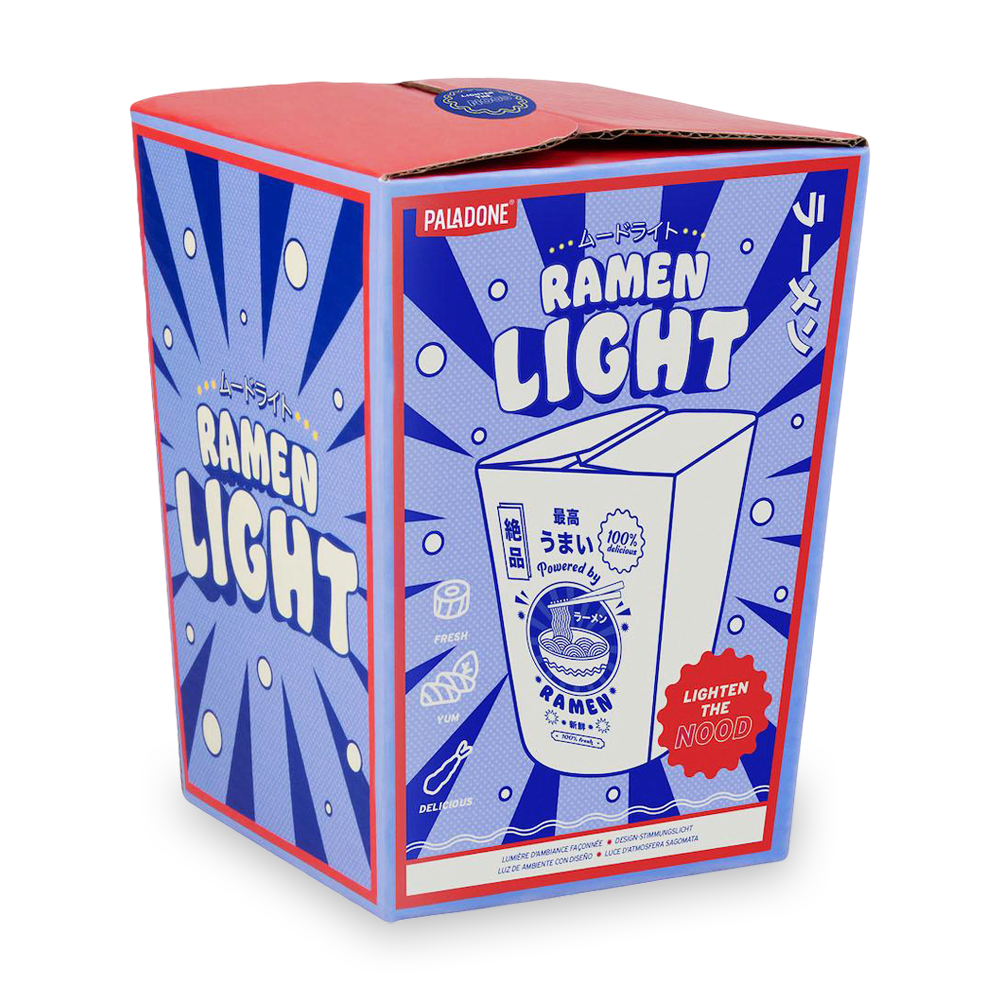
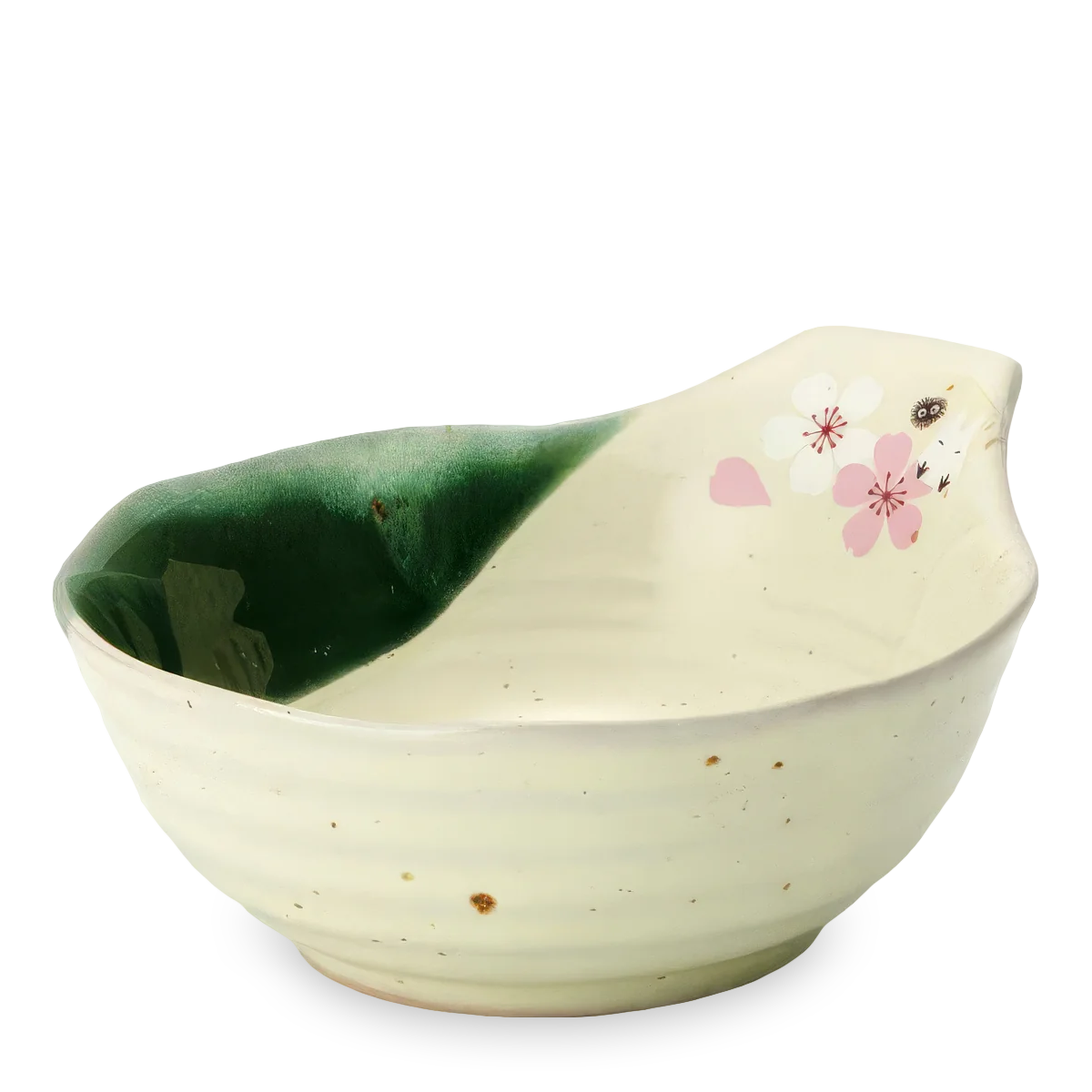
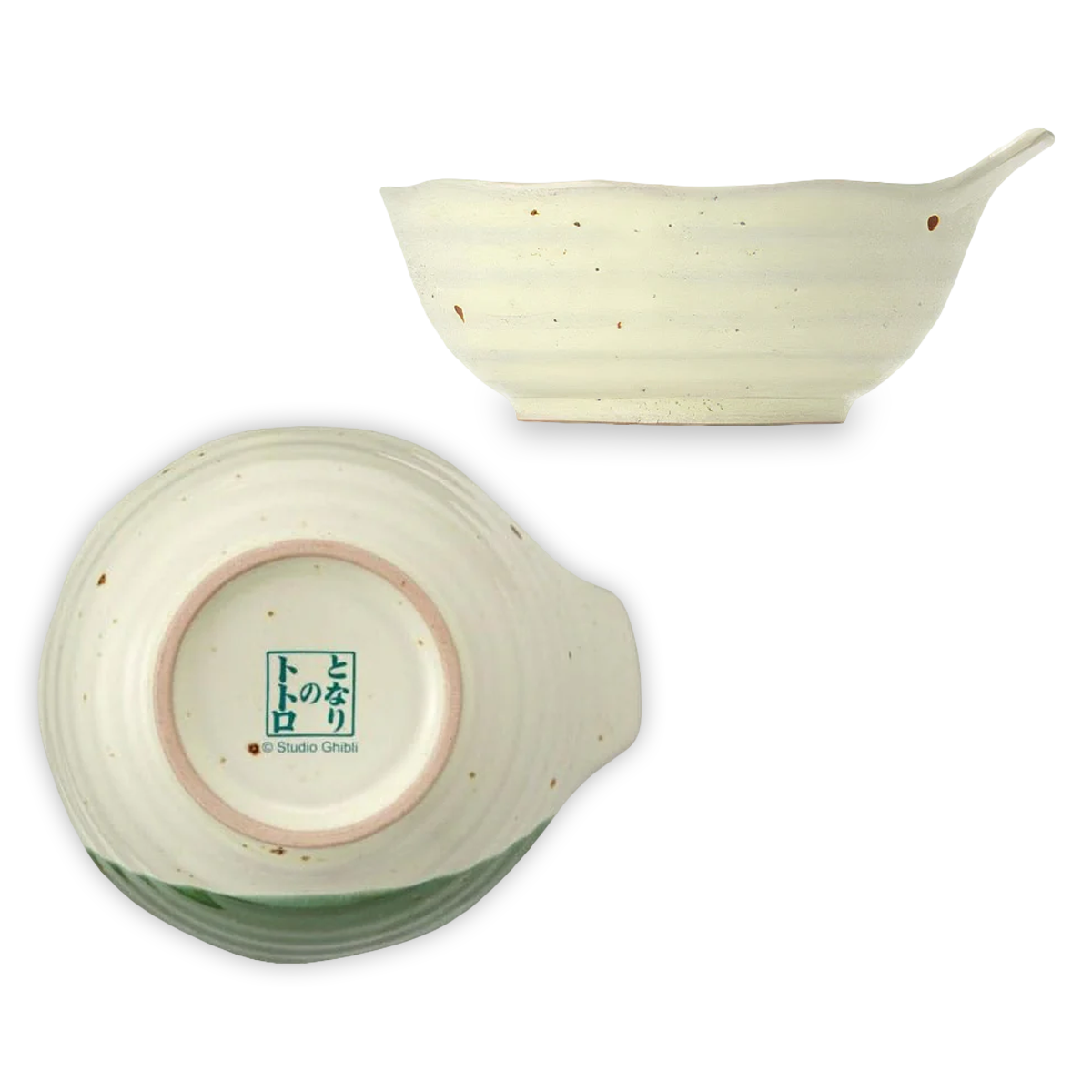
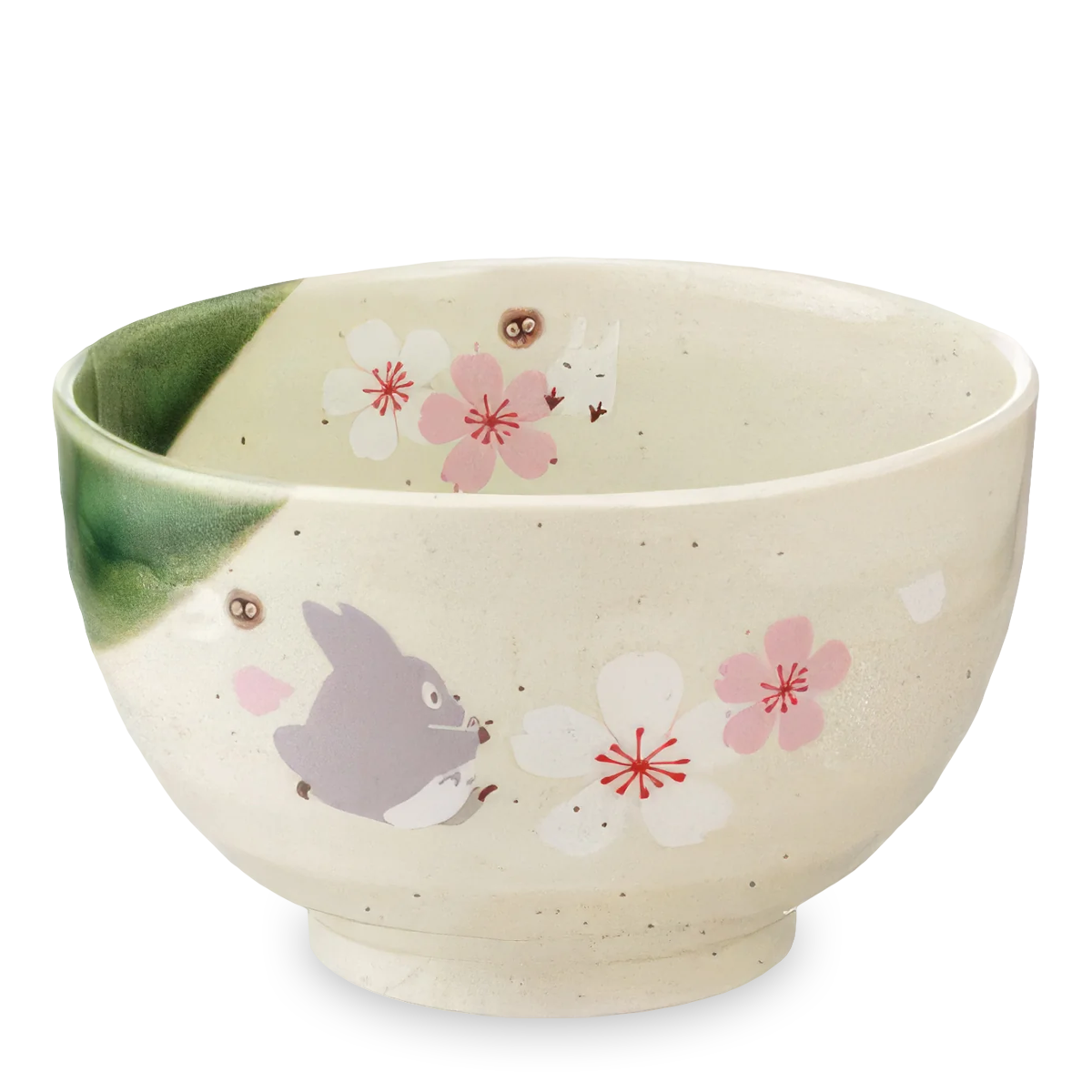
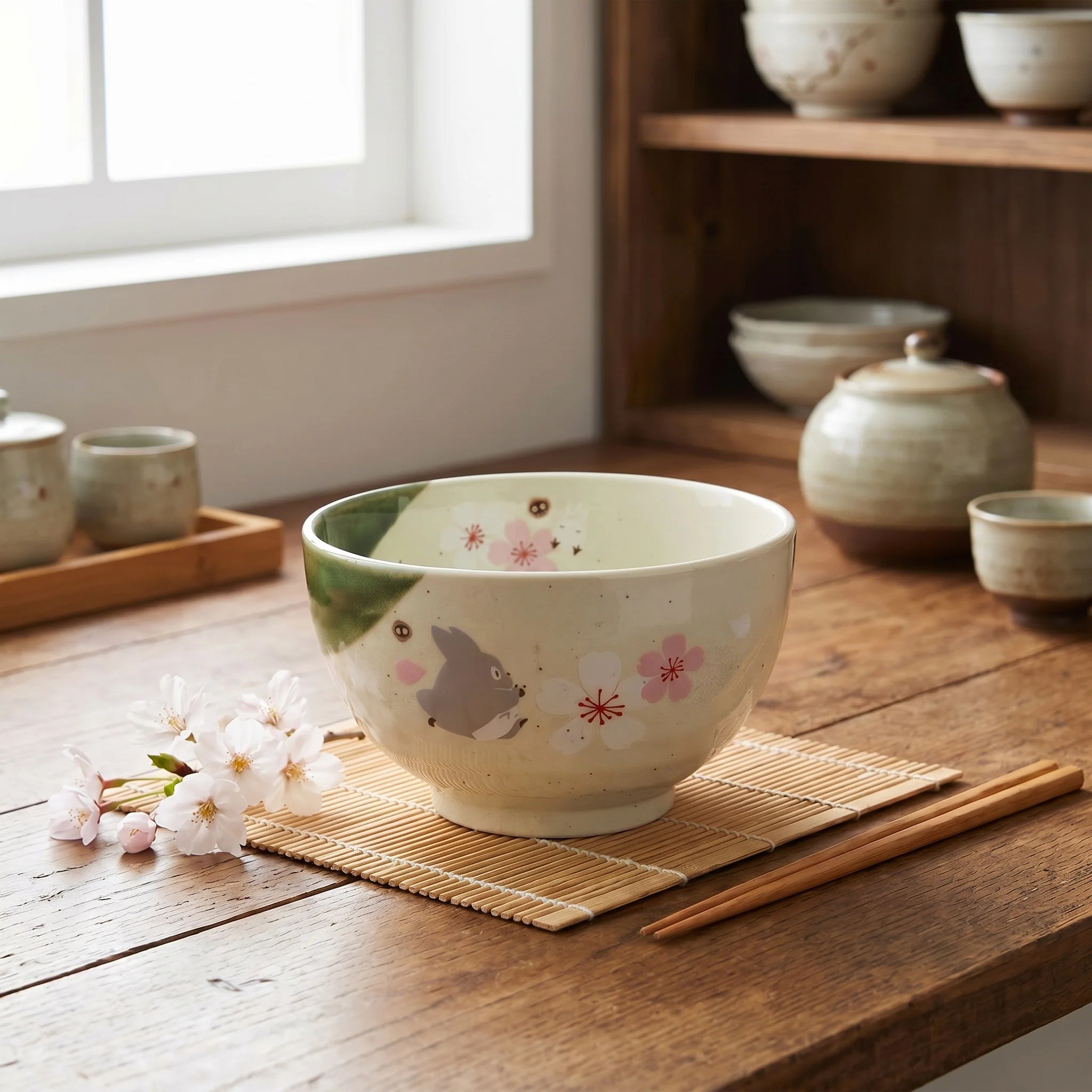
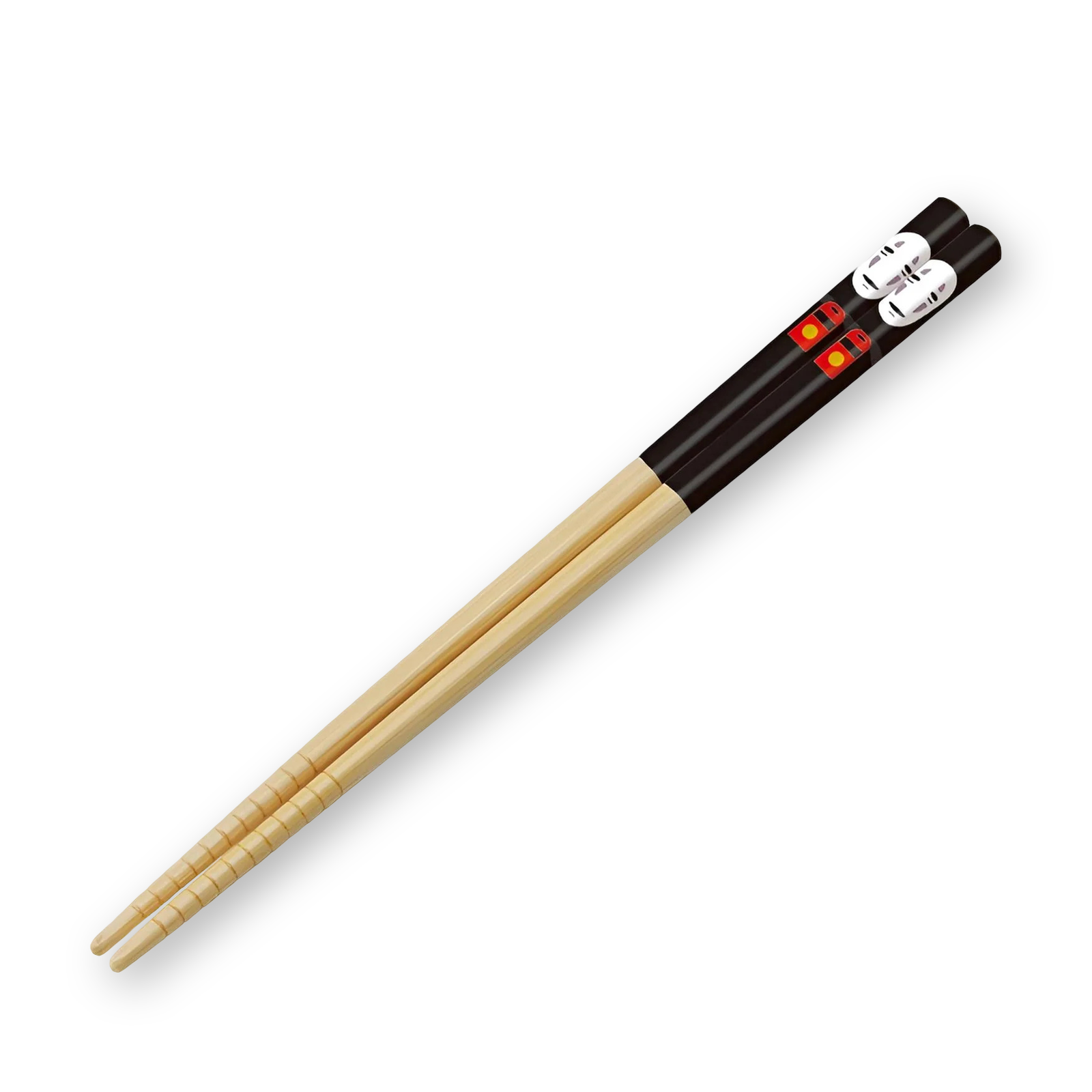
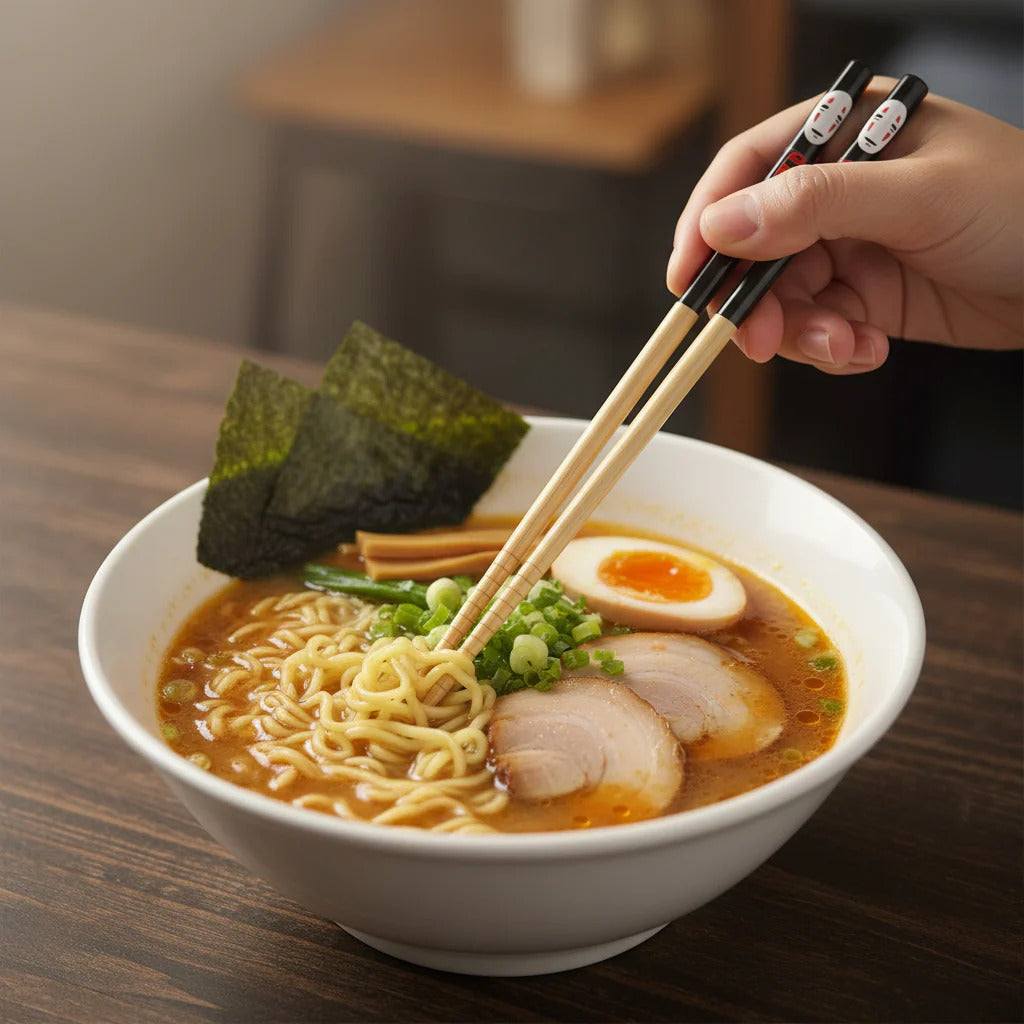
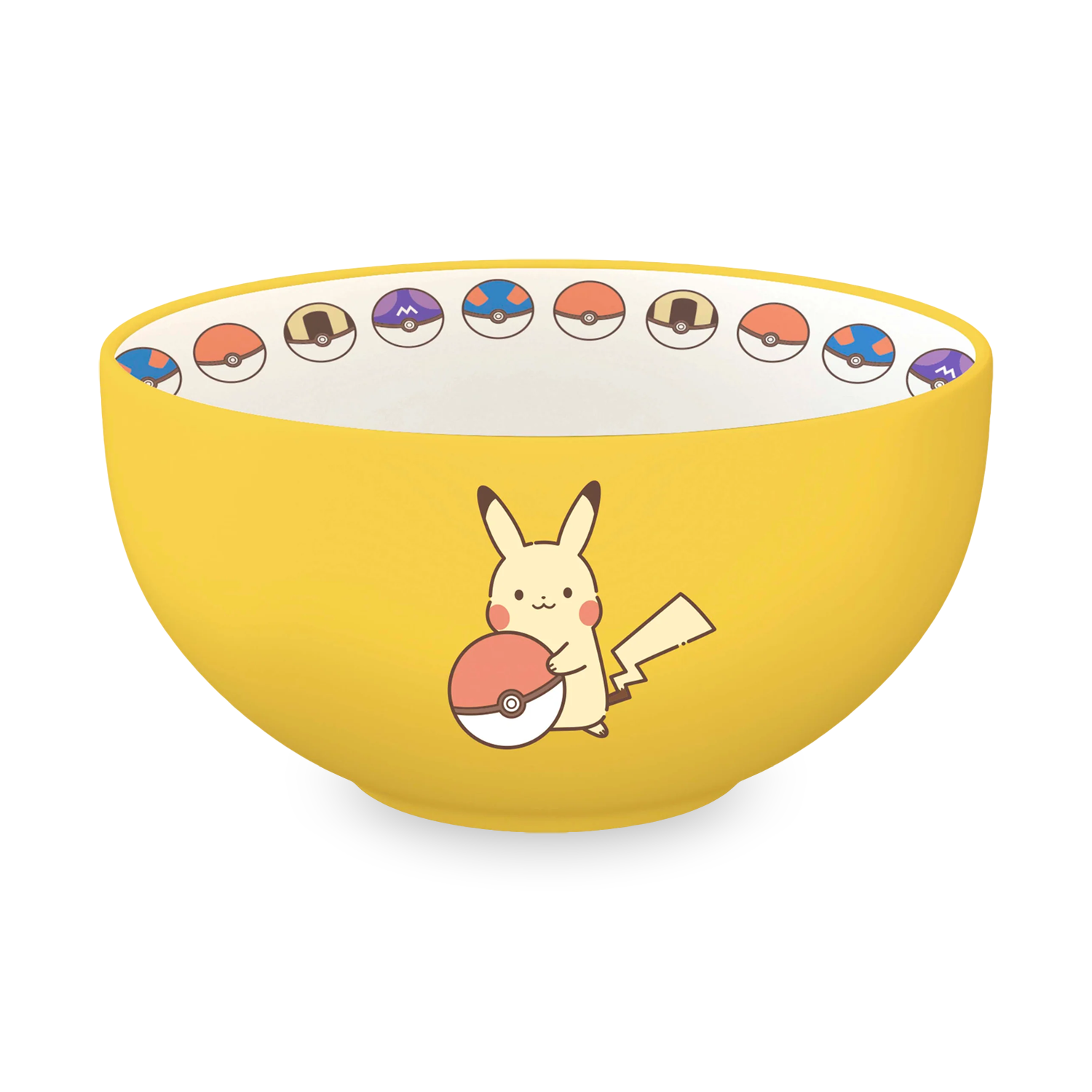
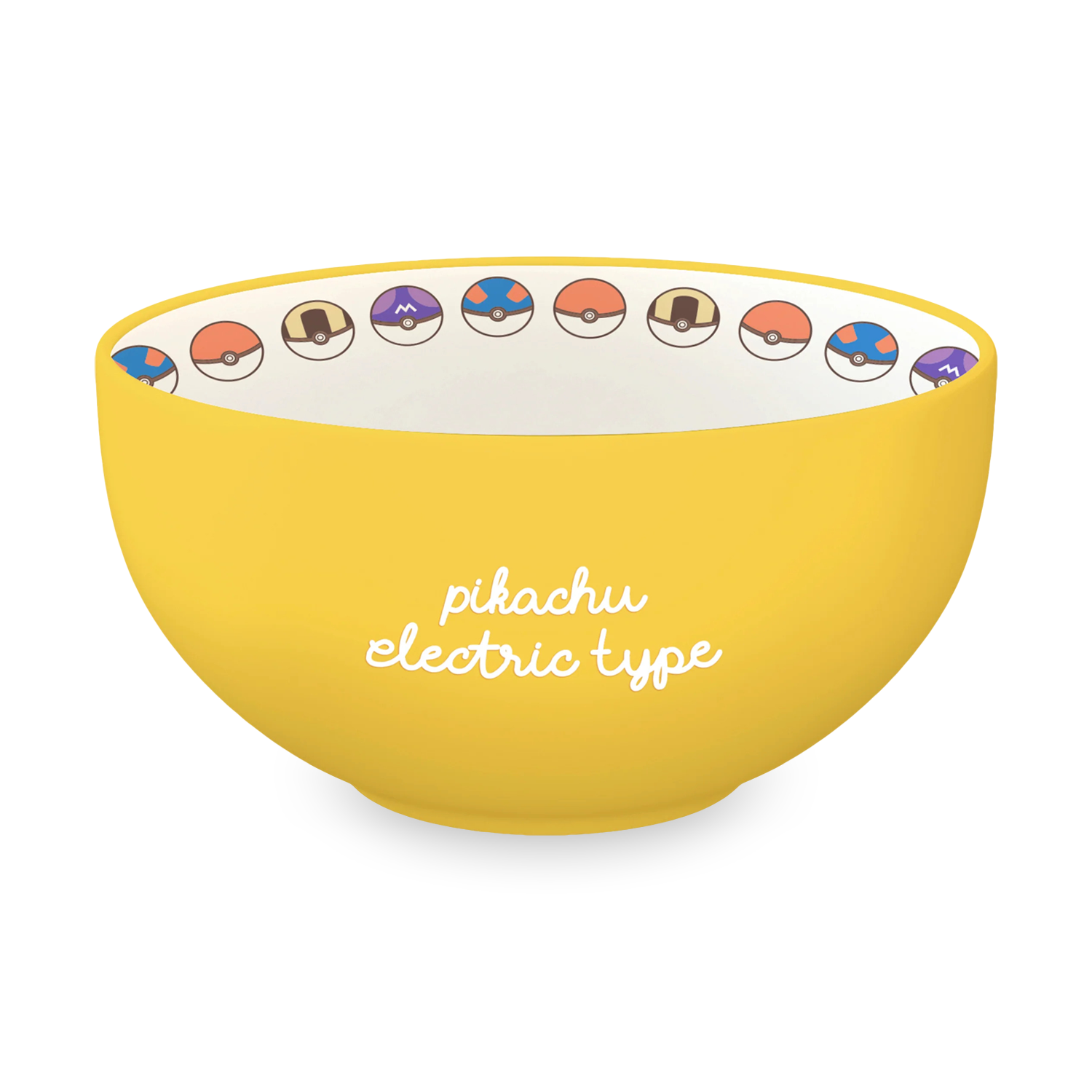
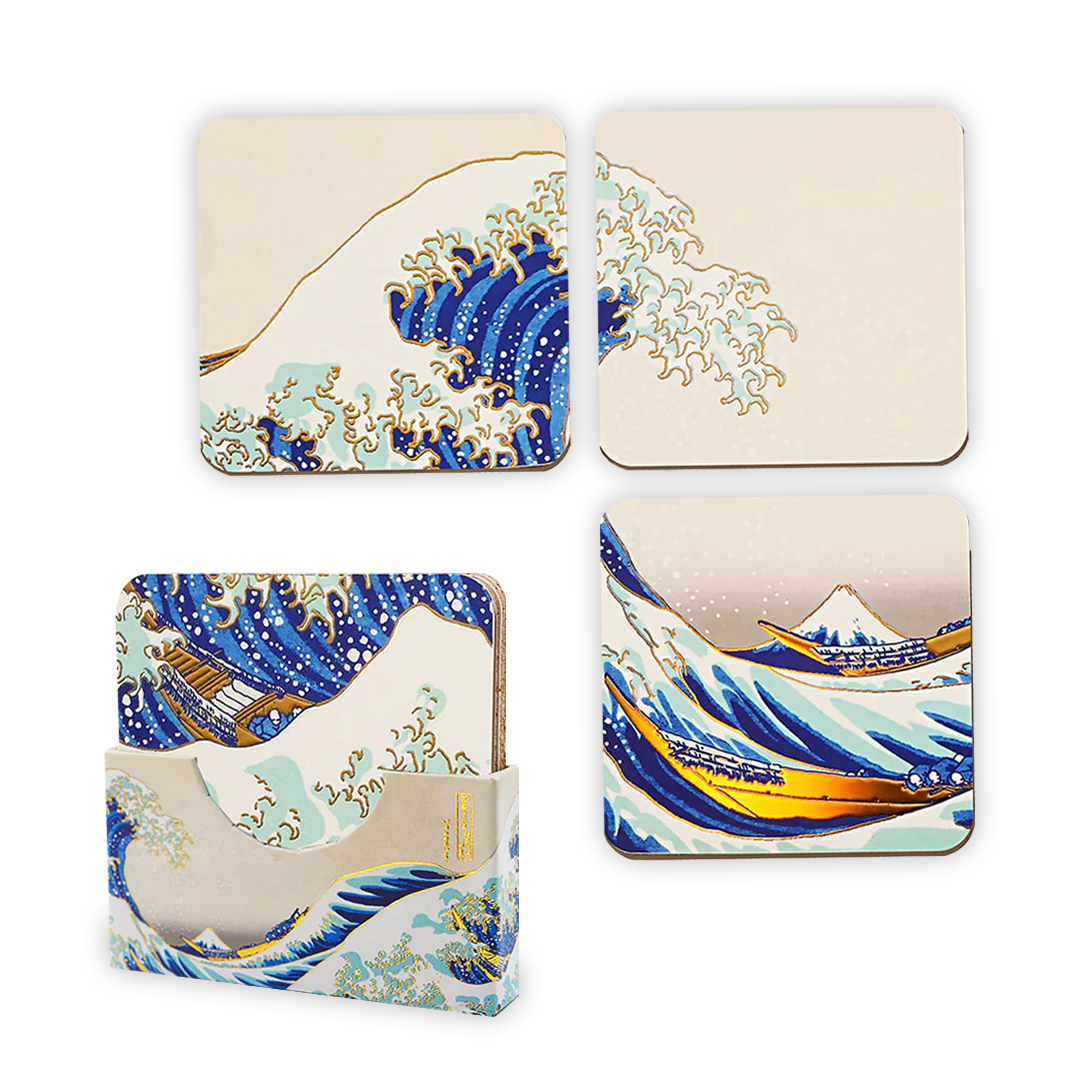
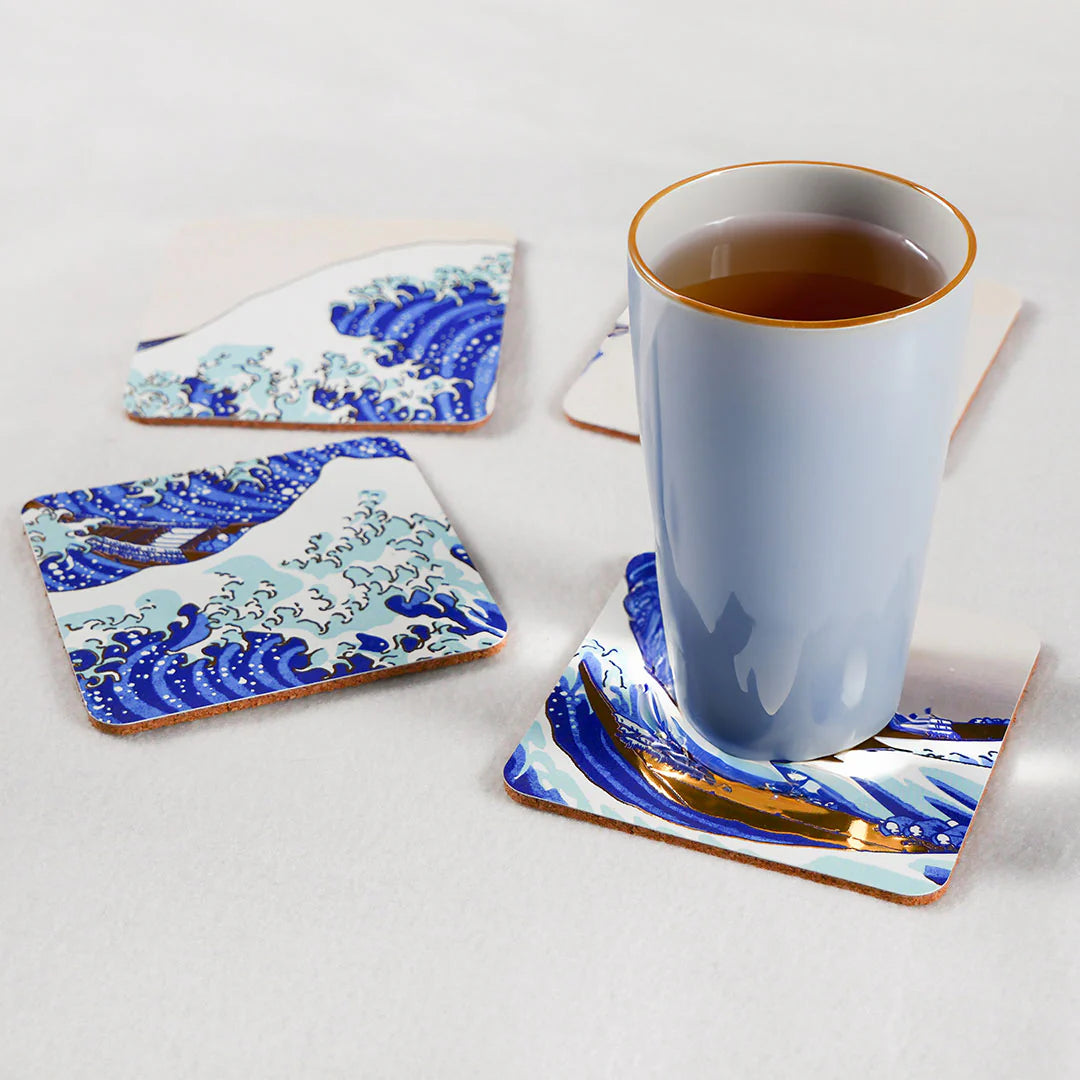
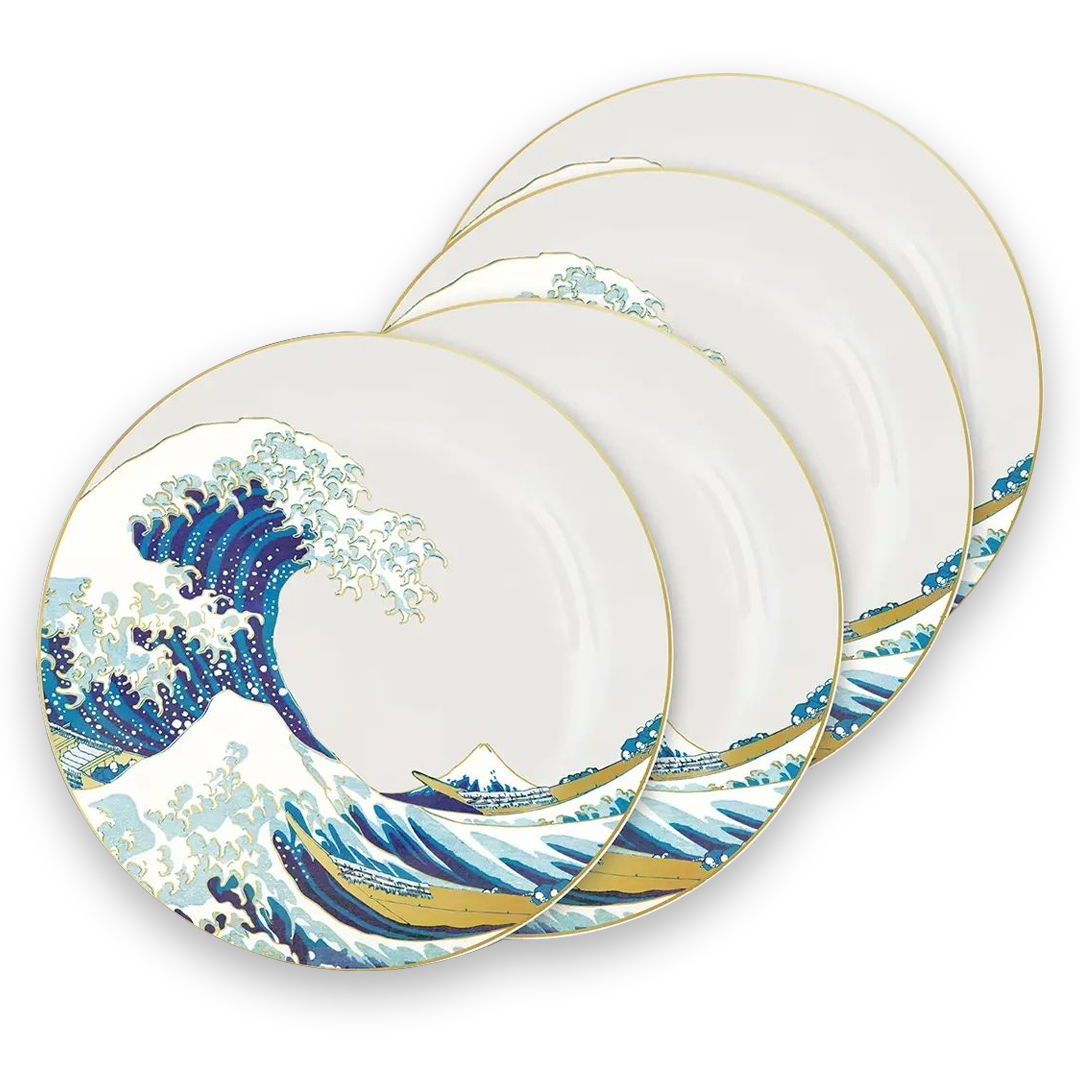
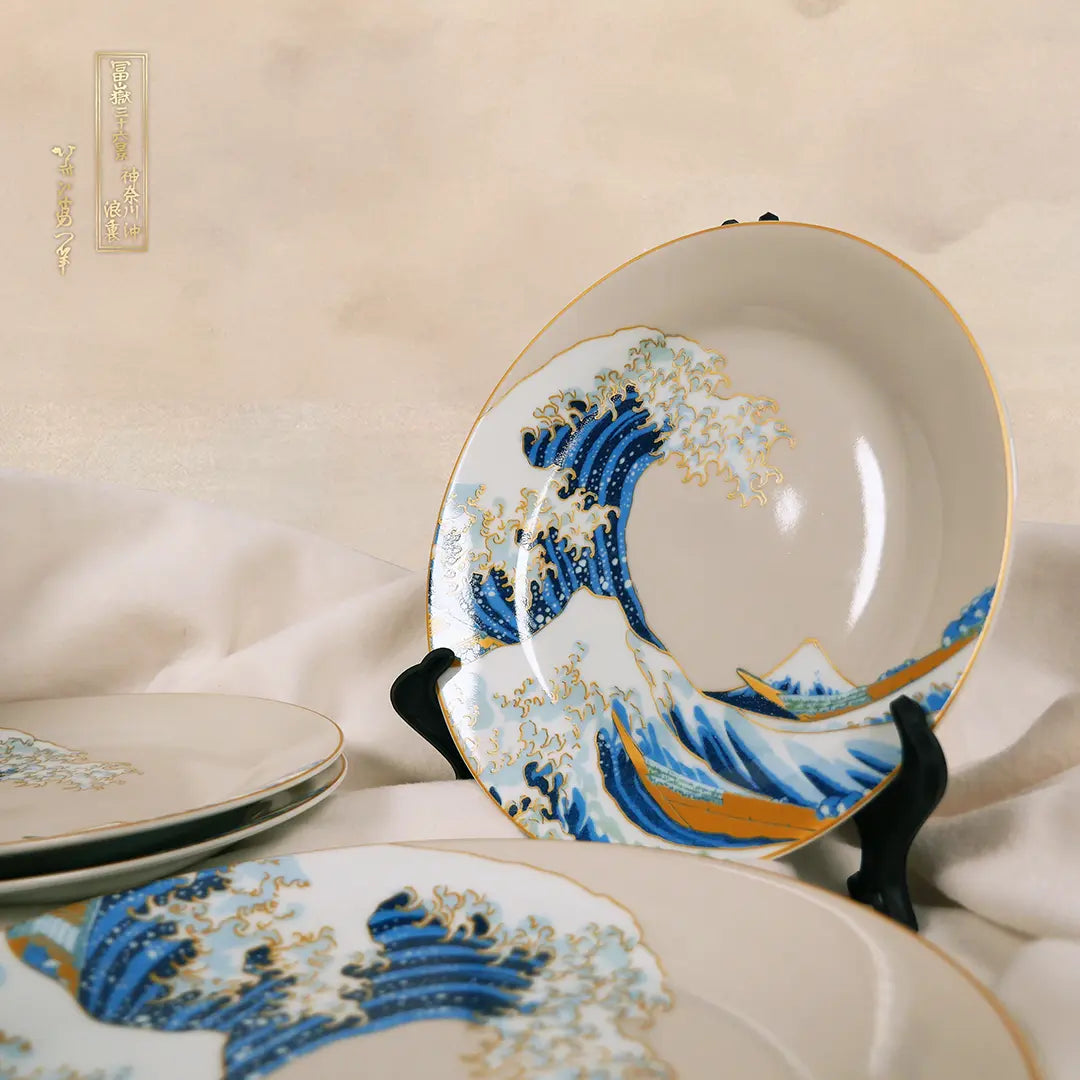
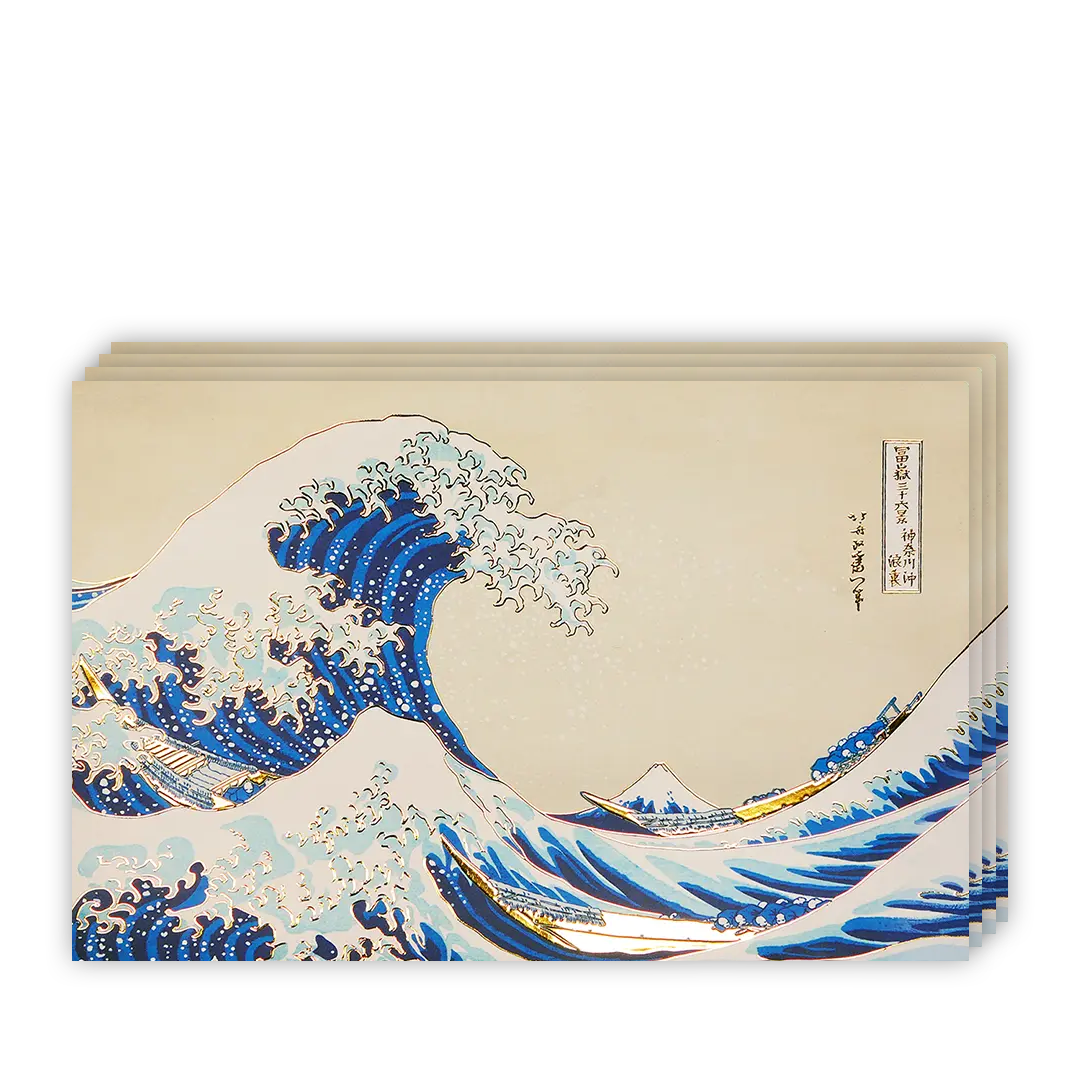
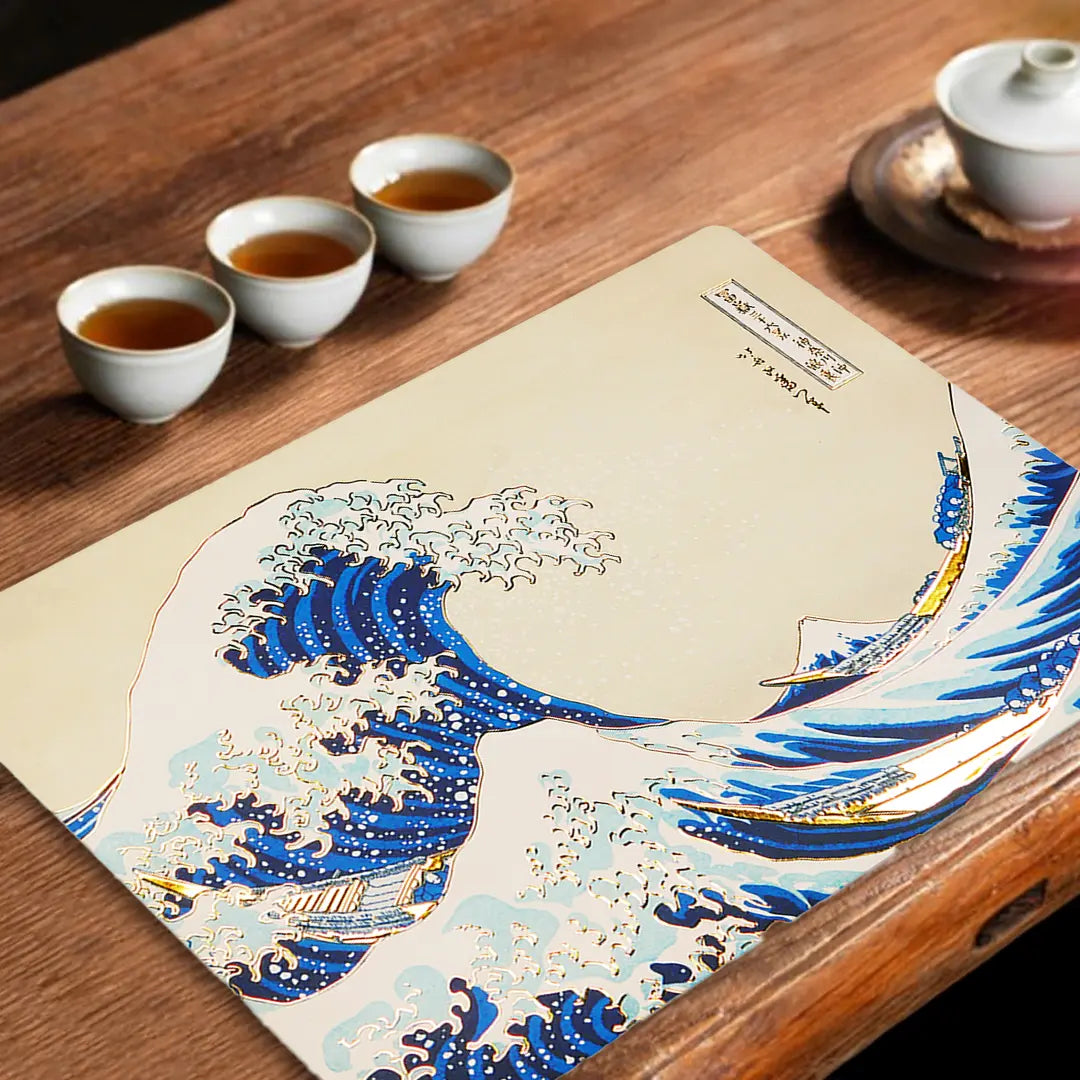
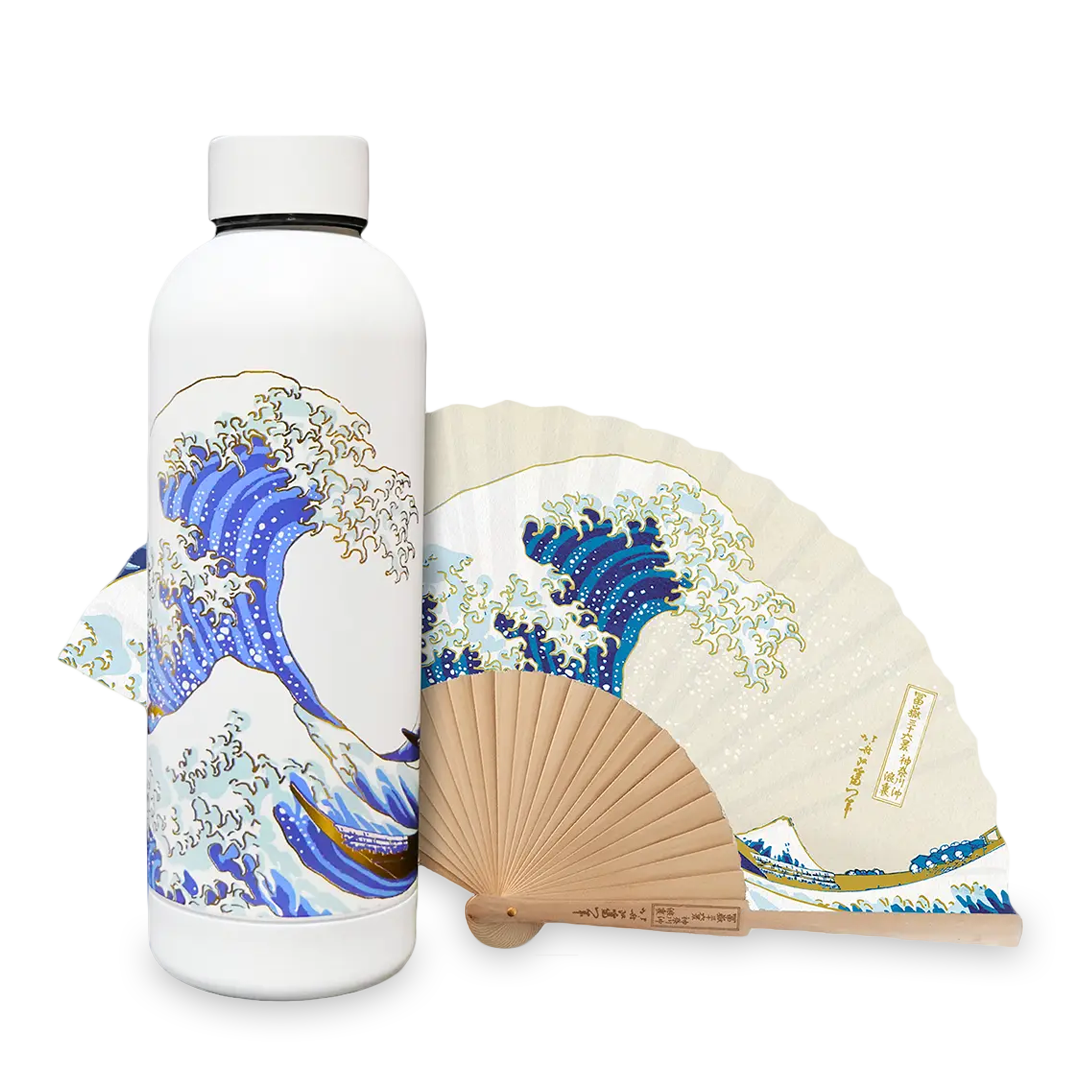
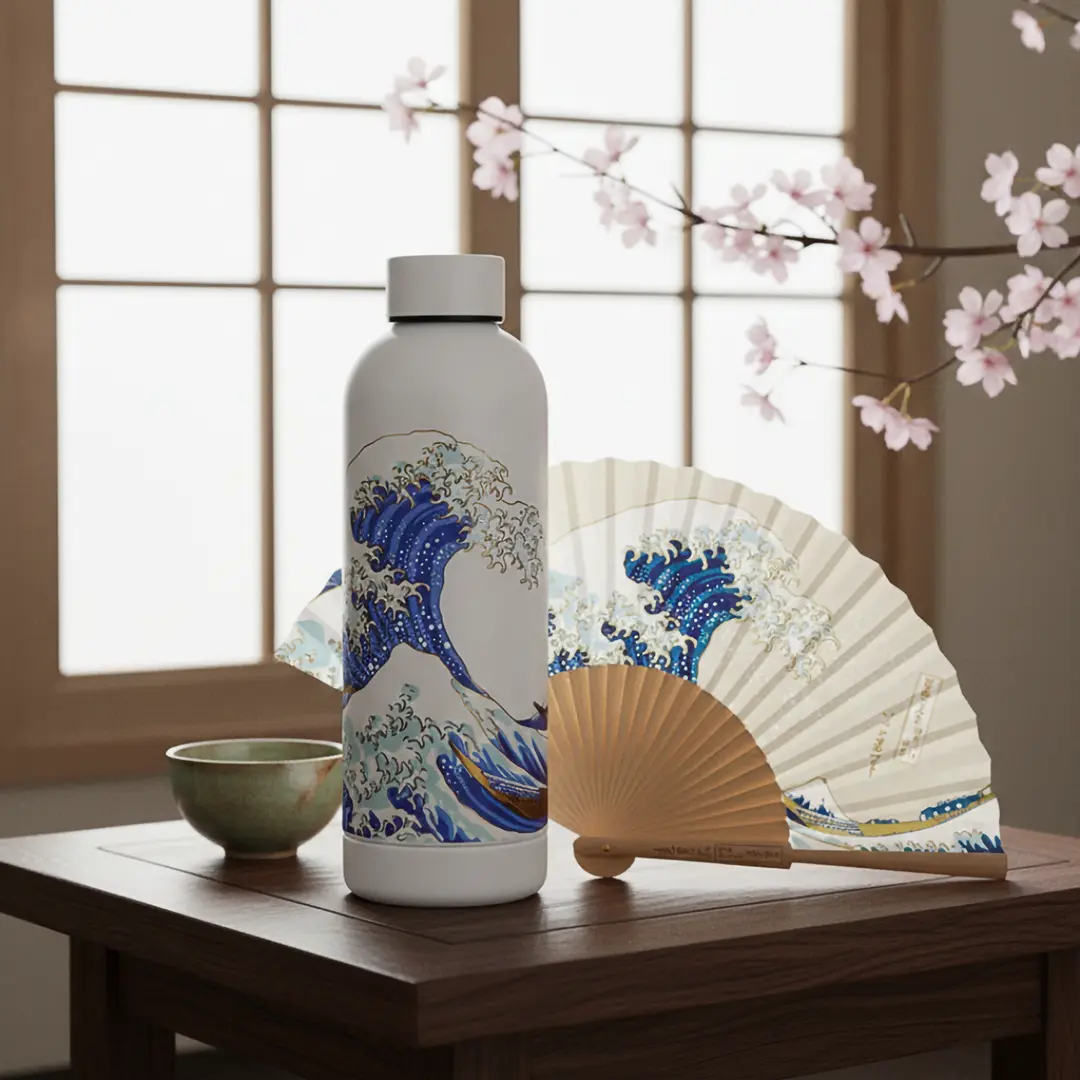
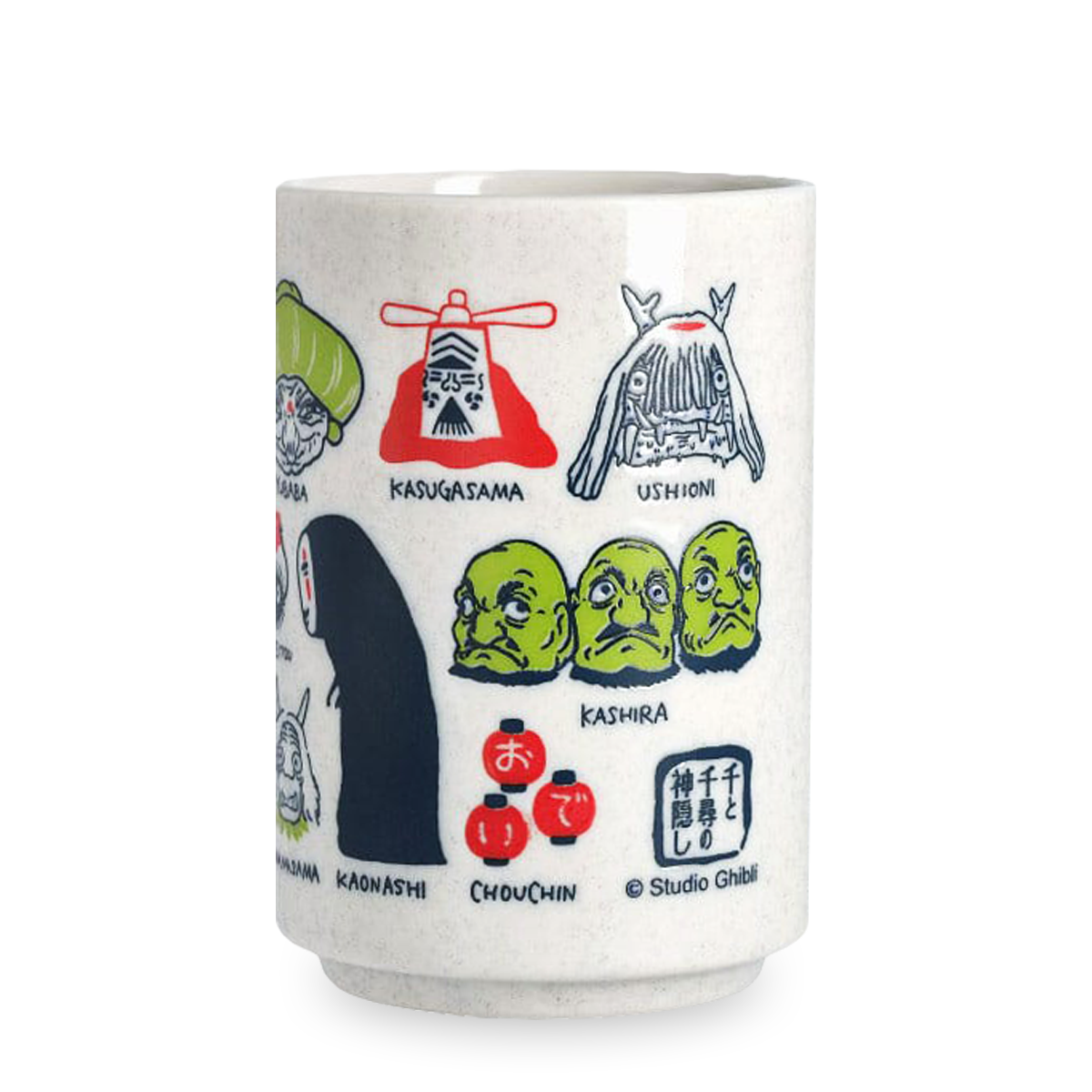
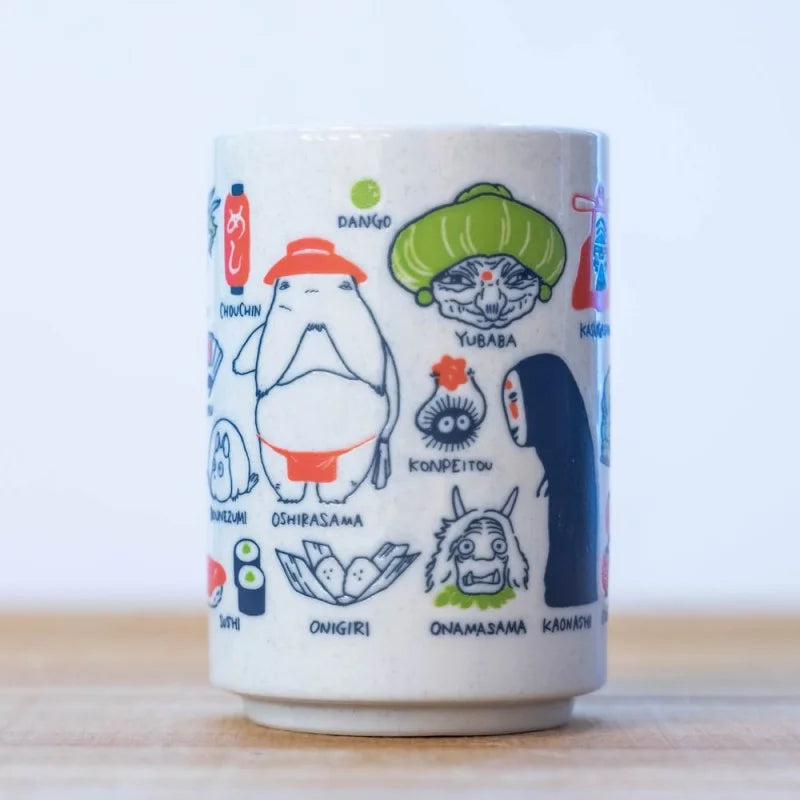
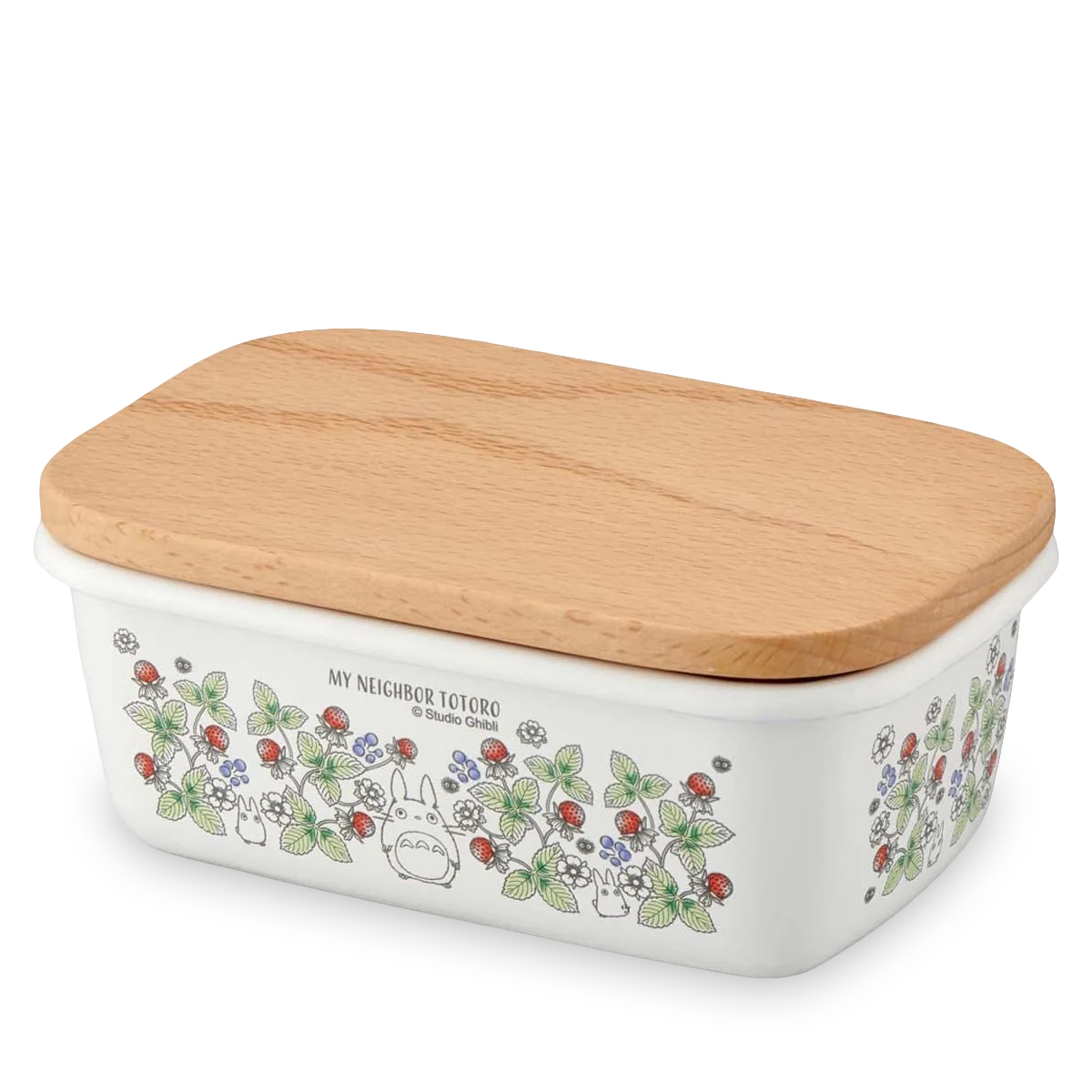
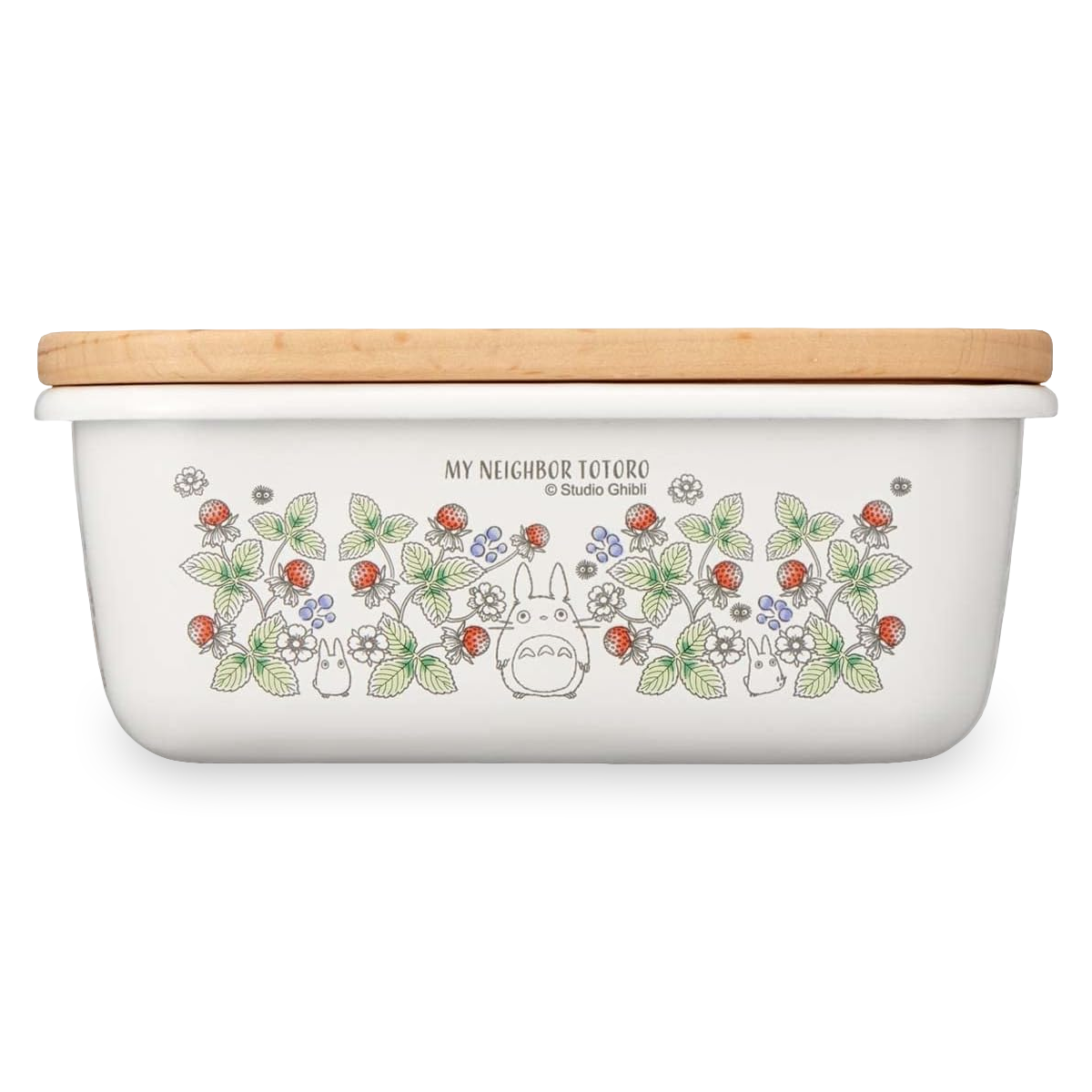
A good part of this collection is not food at all. Ceramics in the traditional Mino style with a Totoro motif, bamboo chopsticks from Spirited Away, plates and coasters carrying The Great Wave off Kanagawa, plus the Pikachu bowl and a ramen box that doubles as a lamp. It hangs together because Japanese food leans heavily on presentation anyway. If you are specifically after tableware and merch, Lifestyle is the better category; if you want to see Japan alongside its neighbors, Asia brings it all together.