

Onigiri (おにぎり) are Japanese rice balls: cooked rice pressed into shape with salted hands, often with a filling and a strip of nori. In Japan they are eaten as a snack, in a bentō or on the go, and convenience stores sell them in huge numbers. Here you will find out how to make onigiri yourself, which fillings are classic and what to watch out for in terms of hygiene.
Which rice do I need for onigiri?
Onigiri are made with Japanese short-grain rice. According to the Japanese Wikipedia, it is especially suitable because its starch hardly hardens as it cools. Japan's Ministry of Agriculture gives these tips for cooking rice:
- Wash the rice gently, do not scrub it.
- Soak it for at least 30 minutes, preferably 60.
- As a guide, use about 1.2 times the rice's volume in water.
- After cooking, let it steam for about 10 minutes.
How do I shape onigiri?
Japanese recipes use about 75 to 100 g of cooked rice per onigiri; the recipe site Kurashiru uses 100 g. For two simple salt onigiri, 塩むすび (Shio musubi), Kurashiru uses 200 g of warm rice and 2 g of salt.
- Lay out a piece of plastic wrap, put the warm rice on it and, if you want a filling, place some in the middle.
- Fold the wrap around the rice and press it into shape with both hands, for example into a triangle.
- Remove the wrap and sprinkle a little salt on the outside of the rice.
- Finally, wrap a strip of nori around it.
Traditionally, onigiri are shaped with wet, salted hands. Plastic wrap is more hygienic, though; more on that below.
The best-known shape is the triangle, which is said to come from the Kantō region and is standard at convenience stores. There are also round, flat onigiri, the cylindrical 俵 (Tawara), once typical of the Kansai region, and balls.
When does the nori go on?
That is a matter of taste. If you wrap the nori around right after shaping, it softens and bonds with the rice. If you wrap it just before eating, it stays crisp. In eastern Japan people tend to use toasted nori, in the west seasoned nori.
Which fillings are classic?
The classic fillings are 梅干し (Umeboshi), pickled ume fruit, bonito flakes and kombu simmered in soy sauce. They were chosen in the past because they kept well. In a Japanese survey from 2014, salmon came first, ahead of umeboshi, mentaiko (seasoned fish roe) and tuna.
- Salmon (鮭, Shake): grill lightly salted salmon, remove the skin and bones and flake it coarsely.
- Okaka: bonito flakes with soy sauce. Kikkoman uses half a packet of bonito flakes and 1 tsp soy sauce for 150 g of rice and mixes everything into the rice.
- Tuna mayo (ツナマヨ, Tsuna mayo): canned tuna with mayonnaise. According to the magazine GetNavi, this filling came to convenience stores at Seven-Eleven in 1983.
What should I watch out for in terms of hygiene?
Onigiri are shaped by hand and often eaten hours later. Japan's Ministry of Agriculture therefore explicitly lists them as a typical cause of food poisoning by Staphylococcus aureus. These bacteria live on the skin and in wounds, and their toxin is heat-resistant, so reheating does not help. The authorities advise:
- Do not shape the rice with bare hands; use plastic wrap or disposable gloves.
- Let the onigiri cool before packing them.
- Keep them cool and eat them soon.
Why are they sometimes called onigiri and sometimes omusubi?
Both words mean the same thing. おむすび (Omusubi) was originally a word from the language of court ladies and, according to the lecturer Yoshiumi Naoto, is only recorded from the Edo period on. In a 2013 survey, 89 percent of Japanese people said onigiri and 10 percent omusubi. Omusubi is most common in Yamaguchi and Hiroshima prefectures.
How old are onigiri?
In 1987, a charred lump of rice about 2,000 years old, from the Yayoi period, was found in Ishikawa Prefecture. It is often called Japan's oldest onigiri. According to more recent research, however, it was probably steamed and then baked rice, closer to a rice dumpling than to an onigiri.
The town where it was found declared June 18 Onigiri Day. Since 2015, there has also been "Onigiri Action" by the organization TABLE FOR TWO: anyone who shares a photo of onigiri with the hashtag #OnigiriAction in the autumn donates five school meals for children through sponsors.
Since when have onigiri been sold in convenience stores?
Seven-Eleven Japan began developing onigiri for convenience store sales in 1976 and launched them in 1978. The special feature was a film that separates the rice from the nori so the nori stays crisp until unwrapped. According to Seven-Eleven, the chain sold around 2.1 billion onigiri in the 2022 fiscal year.
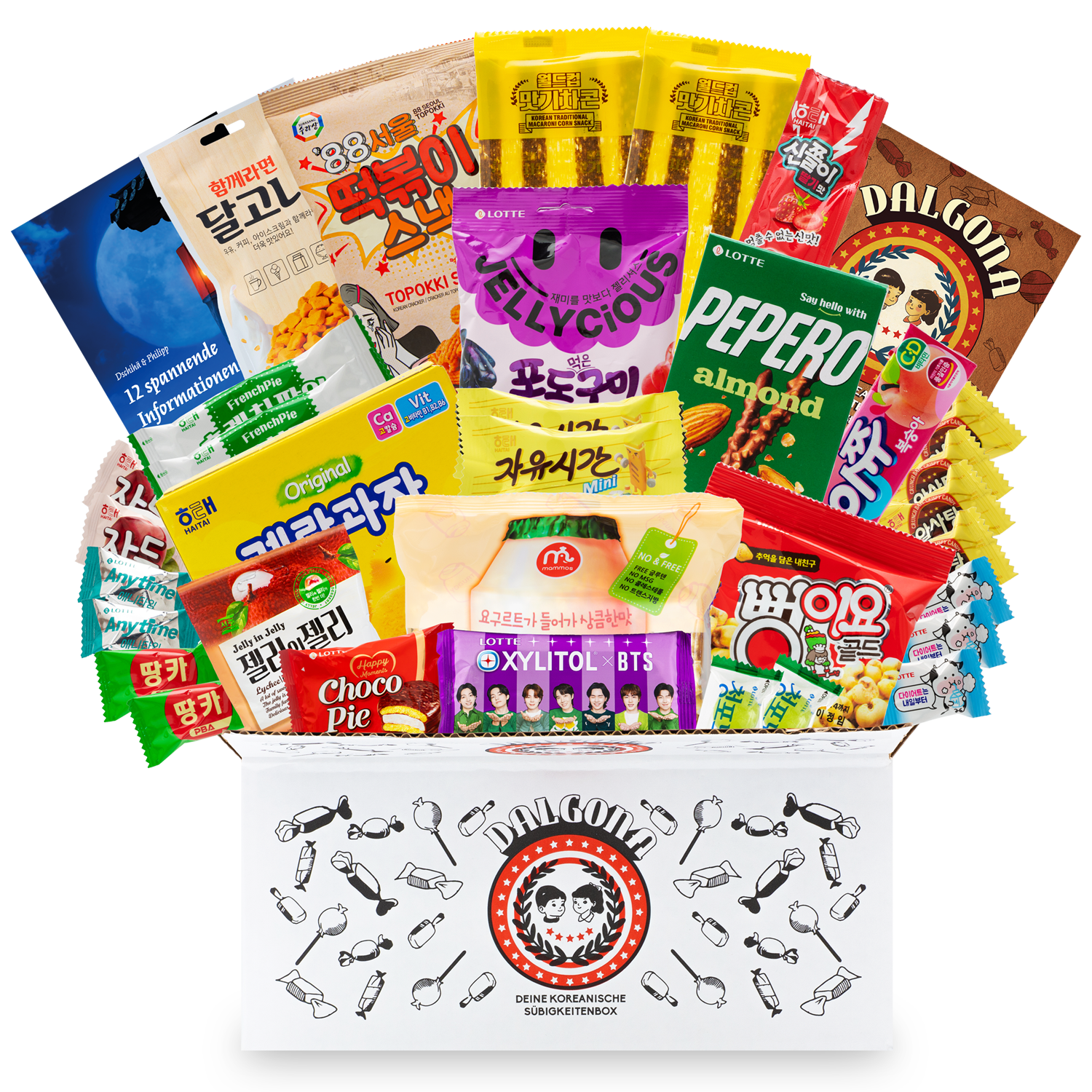
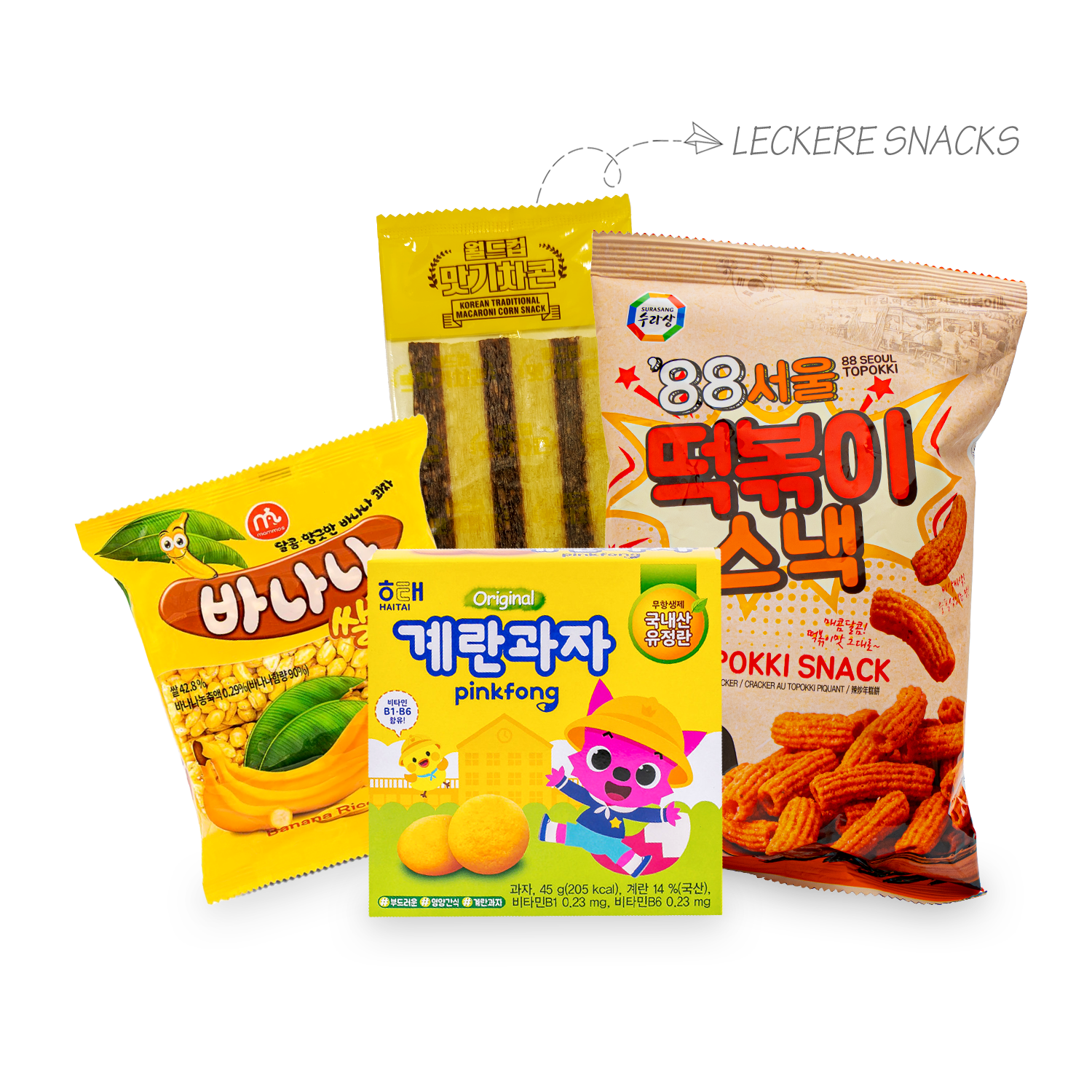
If you want to try Japanese snacks, our Oyatsu box contains 25 sweets and snacks from Japan, and our Japan category shows everything from Japan at a glance. A Korean rice dish to take along is kimbap, and more about Japanese sweets can be found in Japanese sweets explained.
Sources
- Japan's Ministry of Agriculture (MAFF): on cooking rice, on Staphylococcus aureus, on hygiene in food distribution, on bentō and on Onigiri Action (in Japanese)
- Japan's Ministry of Health (MHLW): food hygiene guidance (2016, in Japanese)
- Kurashiru: Shio-Musubi (in Japanese)
- Kikkoman: Tawara-Onigiri (in Japanese)
- Ajinomoto: salmon onigiri (in Japanese)
- Yoshiumi Naoto, Doshisha Women's College: on onigiri and omusubi (2018, in Japanese)
- nippon.com: on convenience store onigiri (2018) and Seven-Eleven's Japanese Half-Century (2024)
- GetNavi web: on the history of convenience store onigiri (2024, in Japanese)
- TABLE FOR TWO: Onigiri Action (2023, in Japanese)
- Wikipedia: おにぎり, Onigiri



Leave a comment
This site is protected by hCaptcha and the hCaptcha Privacy Policy and Terms of Service apply.