

Hello in Korean is 안녕하세요 (annyeonghaseyo), and thank you is 감사합니다 (gamsahamnida) or 고맙습니다 (gomapseumnida). If you cannot read Hangul yet: our guide to learning Hangul teaches you the script in an hour, and afterwards you can read all the words here yourself. The Latin transcription in brackets follows the official Revised Romanization.
How do you say hello in Korean?
안녕하세요 (annyeonghaseyo) works at any time of day and means something like "hello" or "how are you?" It comes from 안녕하다, "to be well, to be without worries." 안녕하세요 is polite but not stiff. Even more formal is 안녕하십니까 (annyeonghasimnikka).
Among friends or with younger people, 안녕 (annyeong) is enough. You say it both when you meet and when you part.
On the phone, you answer with 여보세요 (yeoboseyo).
How do you say goodbye in Korean?
When saying goodbye, it depends on who is leaving and who is staying. Both forms begin with 안녕히 (annyeonghi), "in good health and in peace":
- 안녕히 가세요 (annyeonghi gaseyo), "go in peace," is said by the person staying to the person leaving.
- 안녕히 계세요 (annyeonghi gyeseyo), "stay in peace," is said by the person leaving to the person staying.
So if you leave a shop, for example, you say 안녕히 계세요, and the shop assistant answers 안녕히 가세요.
How do you say thank you in Korean?
There are two words for thank you, and both are common:
- 감사합니다 (gamsahamnida) comes from the Sino-Korean 감사 (感謝), "gratitude."
- 고맙습니다 (gomapseumnida) is the native Korean word.
According to the National Institute of Korean Language, 감사합니다 sounds somewhat more formal, while 고맙습니다 suits closer relationships. You cannot go wrong with either. Among friends you say 고마워 (gomawo), a little more politely 고마워요 (gomawoyo).
How do you apologize in Korean?
Here, too, there are two words. 미안합니다 (mianhamnida) means that you are sorry. 죄송합니다 (joesonghamnida) is stronger: the Standard Korean Dictionary describes 죄송하다 as being so sorry it is as if you had committed a wrong.
괜찮아요 (gwaenchanayo) means "no problem" or "that's okay." The word 괜찮다 also means "quite good" and "acceptable."
What other words do I need?
| Korean | Transcription | Meaning |
| 네 / 예 | ne / ye | yes |
| 아니요 | aniyo | no |
| 얼마예요? | eolmayeyo? | How much is it? (얼마 means "how much," including for prices) |
| 맛있어요 | masisseoyo | It tastes good. |
| 좀 도와주세요 | jom dowajuseyo | Please help me. |
| 건배 | geonbae | Cheers |
건배 (乾杯) literally means to drink your glass empty. Today it is simply what you call out when clinking glasses. How to pour and drink in Korea is explained in our article on soju and makgeolli.
Two set phrases go with meals: 잘 먹겠습니다 (jal meokgetseumnida) is said before eating, 잘 먹었습니다 (jal meogeotseumnida) afterwards as a thank you. Literally, they mean roughly "I will eat well" and "I have eaten well."
When should I be polite, and when casual?
Korean has several speech levels, six or seven depending on how you count. Three are enough to start with, recognizable by the verb ending:
- -ㅂ니다 / -습니다, as in 감사합니다: the formal form, with the most respect. You hear it on the news, for example.
- -요, as in 고마워요: polite but not formal. This is the form most phrasebooks use and the right one with strangers.
- 반말 (Banmal), as in 고마워: the familiar form among close friends. With strangers, it is considered rude.
How do you count in Korean?
Korean has two number systems: a Sino-Korean one, which comes from Chinese, and a native Korean one. Which one you need depends on what you are counting.
| Number | Sino-Korean | Native Korean |
| 1 | 일 (il) | 하나 (hana) |
| 2 | 이 (i) | 둘 (dul) |
| 3 | 삼 (sam) | 셋 (set) |
| 4 | 사 (sa) | 넷 (net) |
| 5 | 오 (o) | 다섯 (daseot) |
| 6 | 육 (yuk) | 여섯 (yeoseot) |
| 7 | 칠 (chil) | 일곱 (ilgop) |
| 8 | 팔 (pal) | 여덟 (yeodeol) |
| 9 | 구 (gu) | 아홉 (ahop) |
| 10 | 십 (sip) | 열 (yeol) |
Native Korean numbers are used for objects, people, hours and age. They only go up to 99; the tens are 스물 (seumul, 20), 서른 (seoreun, 30), 마흔 (maheun, 40) and so on. Before a counter word, the first numbers get shorter: 한 번 (han beon, once), 두 개 (du gae, two items), 세 시 (se si, three o'clock), 네 명 (ne myeong, four people), and 스물 becomes 스무.
Sino-Korean numbers are used for dates, money, minutes, addresses, phone numbers and anything above 99. The large units are 백 (baek, 100), 천 (cheon, 1,000) and 만 (man, 10,000).
For example, 3:35 is 세 시 삼십오 분 (se si samsibo bun): the hour in native Korean, the minutes in Sino-Korean.
Important for prices: large numbers are built in steps of four digits, not in thousands as in English. 10,000 is a unit of its own, 만, and 50,000 won is 오만 원 (oman won), literally "five ten-thousands."
The number four, 사, sounds like the character for death (死). That is why some elevators show an F instead of a 4, and hospitals sometimes have no fourth floor at all. More on this in our article on superstitions in Korea.
How old am I in Korea?
For a long time, there were several ways of counting age in South Korea. In Korean age, you were already one year old at birth and turned a year older at the turn of the year. Since June 28, 2023, civil law and public administration use age counted from your birthday, as in most other countries. Some laws, such as those on youth protection and military service, still count by birth year, however. When asked your age, you answer with the native Korean number and the counter word 살 (sal): 스무 살 (seumu sal) means 20 years old.
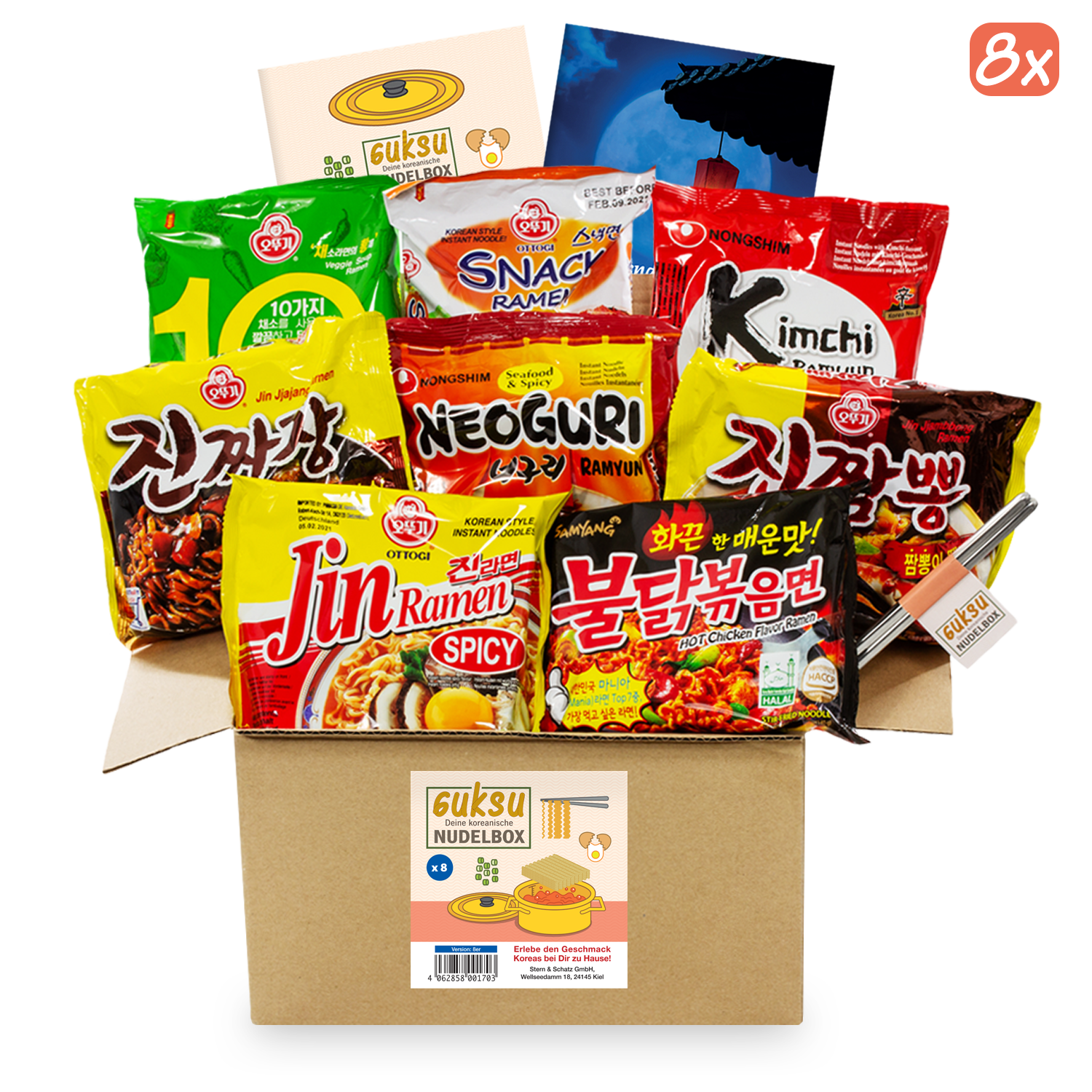
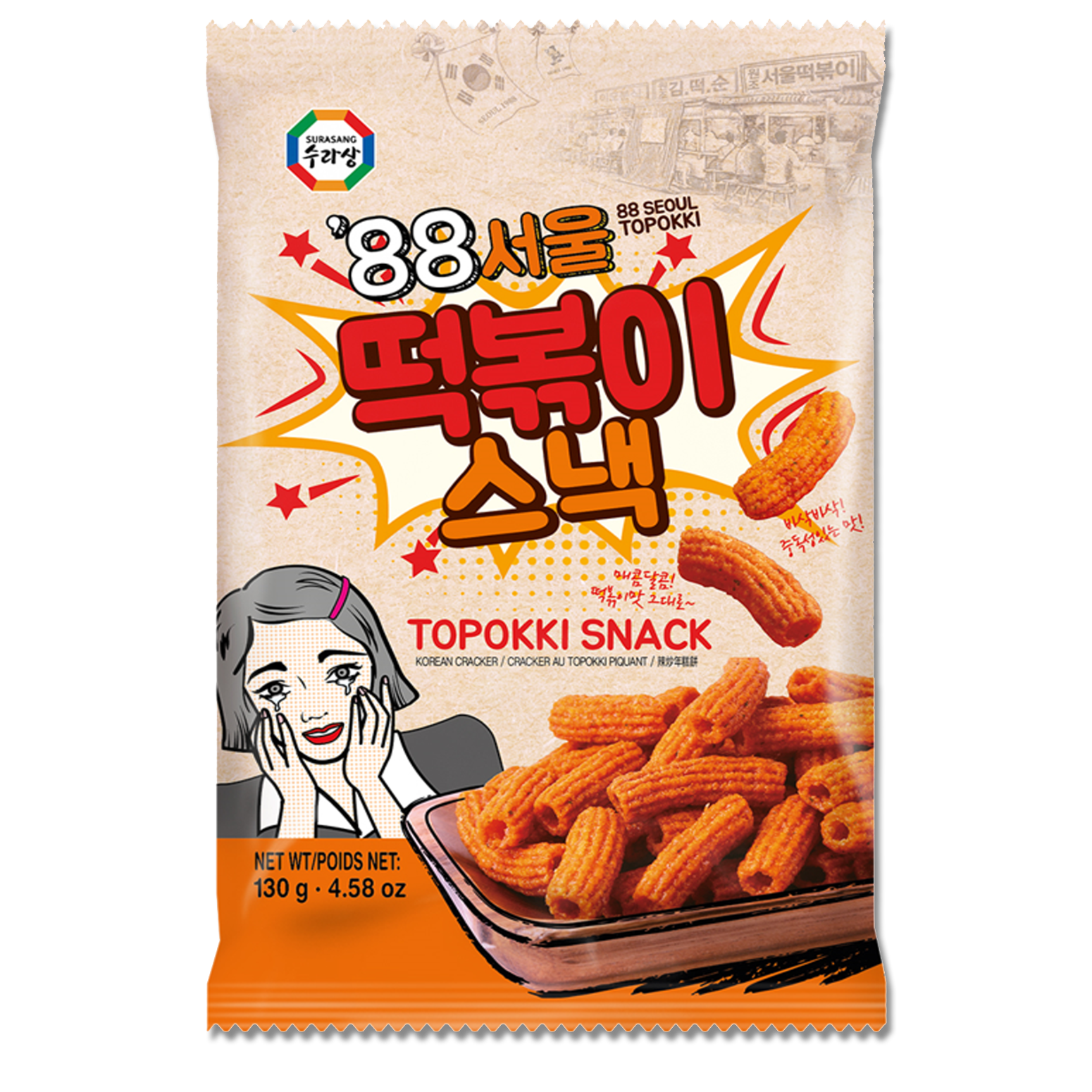
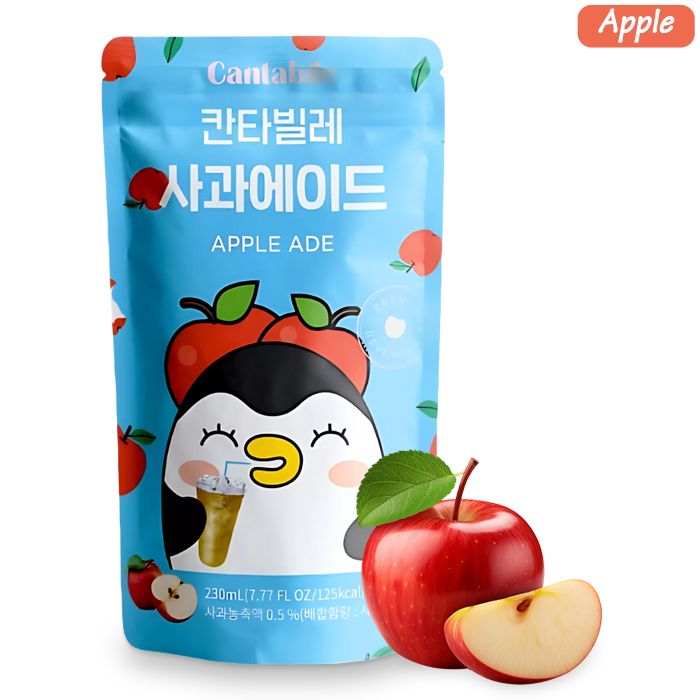
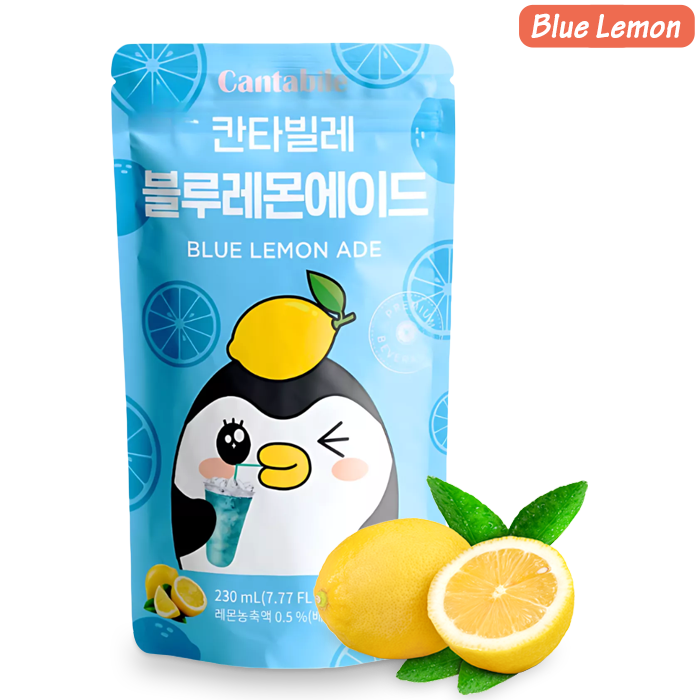
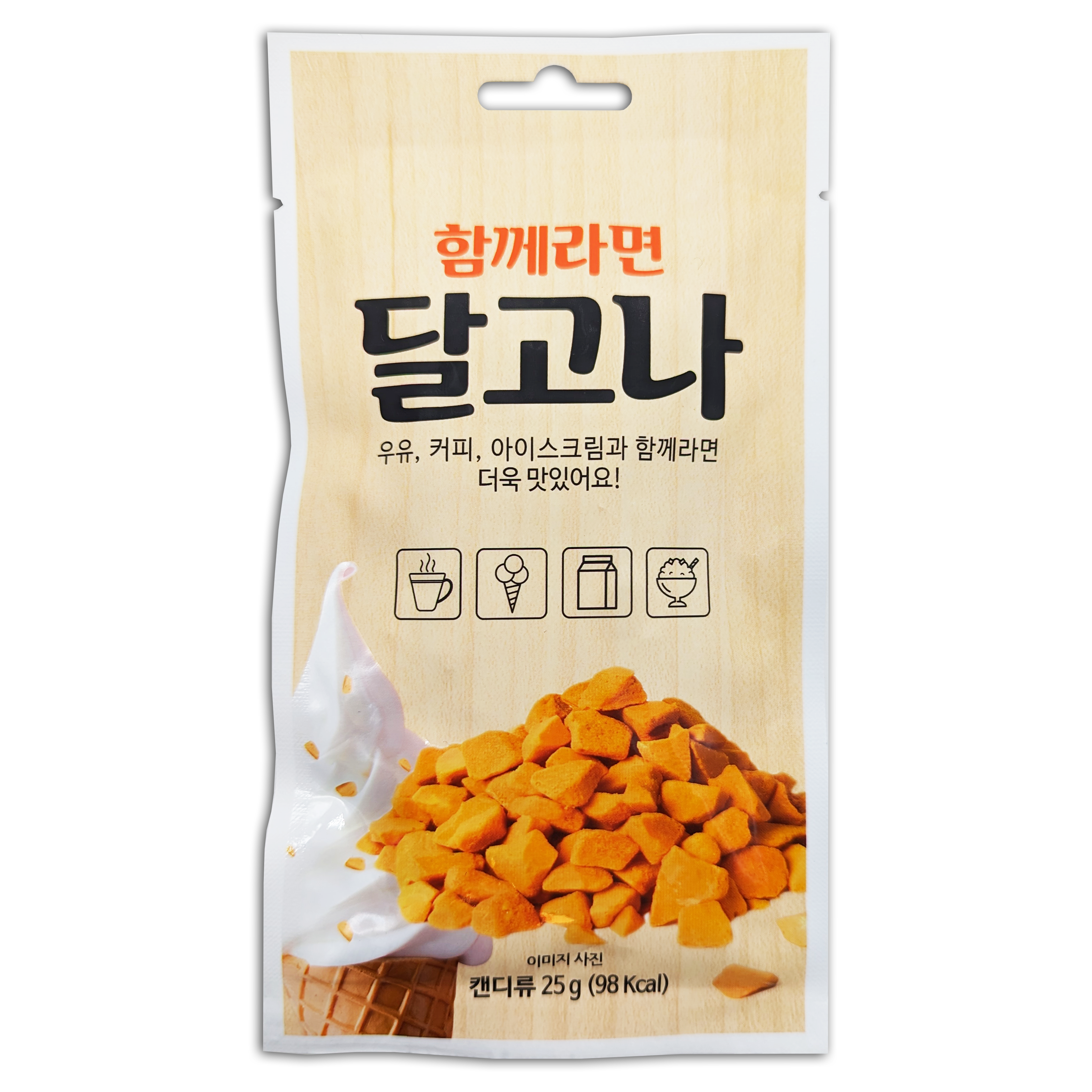
Snack packaging from Korea is good for practicing, for example from our Korea category: there you can read Hangul and decipher the numbers on the label.
If you want to write your own name in Korean next, you will find the rules in How to write your name in Korean.
Sources
- National Institute of Korean Language: Standard Korean Language Dictionary and Basic Korean Dictionary (entries 안녕, 안녕히, 여보세요, 감사하다, 고맙다, 미안하다, 죄송하다, 괜찮다, 네, 아니요, 얼마, 맛있다, 건배, 해요체, 하십시오체, 반말, 살, 만), on 감사하다 and 고맙다 and Revised Romanization
- Wiktionary: 안녕하세요, 안녕히 가세요, 안녕히 계세요, 잘 먹겠습니다
- Wikipedia: Korean numerals, Korean speech levels, Korean honorifics, Tetraphobia
- Library of Congress, In Custodia Legis: Koreans becoming younger: unification of age-counting systems (2023)







Leave a comment
This site is protected by hCaptcha and the hCaptcha Privacy Policy and Terms of Service apply.